
No ID Vape Belgium vs Verified Sellers: Which Is Safer to Use?
A checkout that asks for almost nothing can look convenient. For someone searching no id vape Belgium, the appeal is obvious: fewer forms, no document upload, and less friction before payment. The problem is that fewer checks can also mean fewer safeguards. In a regulated category, age verification, compliant labeling, traceable payment, and after-sales accountability are not just admin hurdles; they are signals that the seller is willing to operate in the open.
Quick answer: verified sellers usually reduce the avoidable risks
If the choice is between a no-ID vape seller and a verified seller, the lower-risk route is generally the one that performs proper age checks, publishes clear business details, uses secure payment methods, and provides compliance information. A no-ID checkout is not automatically a scam, but it removes one of the basic controls Belgian buyers should expect around age-restricted nicotine products.
The practical decision rule is simple: if a site makes speed its main selling point while hiding who operates it, what rules it follows, or how problems are handled, treat that convenience as a warning sign rather than a benefit.
Why age checks matter even if you are already an adult
Many adult buyers dislike uploading ID because it feels intrusive. That concern is reasonable. The issue is not whether adults should have to repeat their age every time they shop online; it is whether the seller has a credible way to keep age-restricted products from being sold without checks.
Belgium treats vaping as a regulated nicotine category, not as an ordinary lifestyle accessory. The Global State of Tobacco Harm Reduction country profile for Belgium is useful here because it summarises the legal status and basic market controls: nicotine vapes are legal in Belgium, packaging must carry a health warning, and sales are age-restricted. Those points matter because they explain why a legitimate seller may ask for more information than a seller trying to maximise quick checkouts.
A proper verification process does not need to be reckless with privacy. A credible seller should explain what information is collected, why it is needed, and how it is handled. If a site asks for ID but gives no privacy explanation, that is also a problem. The safer comparison is not “ID good, no ID bad” in every possible case. It is “transparent verification with accountable data handling” versus “anonymous checkout with little evidence of compliance.”
The Belgian compliance picture buyers should know before ordering
Belgian vape rules have been moving in a stricter direction, especially around youth access and single-use products. A Courthouse News Service report noted that Belgium became the first EU country to move ahead with a ban on disposable e-cigarettes, with sales forbidden from 1 January as part of a public-health and environmental policy push. That source matters because it explains the policy direction: authorities are not treating online availability as a casual retail detail.
For consumers, the takeaway is not to memorise every technical rule. It is to recognise the compliance signals that should be visible before money changes hands:
- Age controls: the seller should not make unrestricted access the main feature.
- Product information: packaging, warnings, nicotine information, and manufacturer details should be clear rather than vague.
- Legal awareness: the site should not casually advertise formats that are restricted or banned in Belgium.
- Business identity: there should be a traceable company, contact route, and return or complaint process.
A technical legal guide such as Medic Pro’s Belgium vape law overview is relevant because it highlights that Belgium sits within the wider EU Tobacco Products Directive framework while also applying national measures such as the disposable vape ban. Some details may change or be under review, so buyers should treat compliance as a current-check issue, not a one-time assumption.
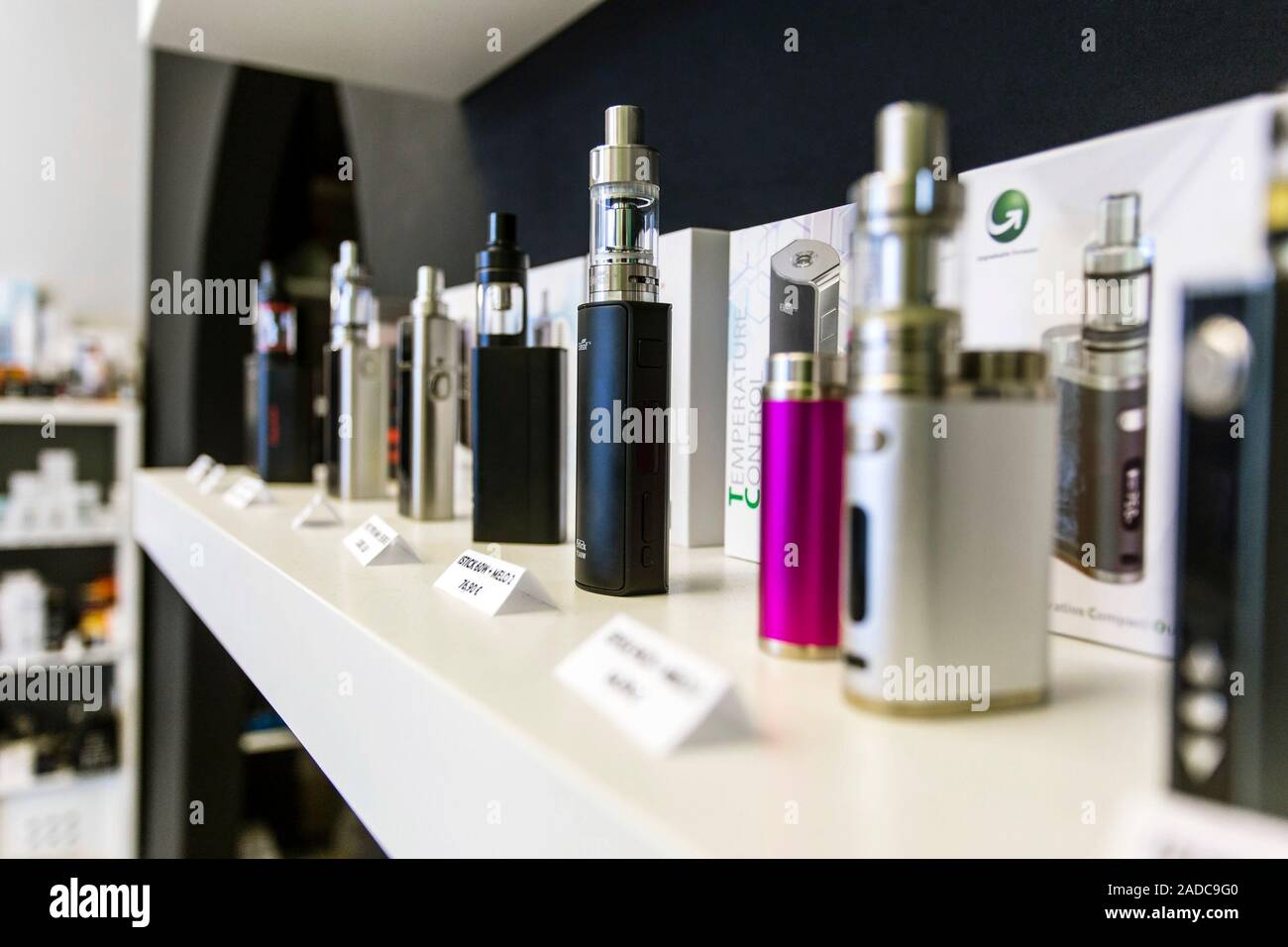
No-ID convenience versus verified safeguards
The tradeoff is easier to see when you separate checkout friction from purchase protection.
| Decision factor | No-ID seller risk | Verified seller safeguard |
|---|---|---|
| Age control | May skip a basic regulated-category check | Shows the seller is trying to limit underage access |
| Privacy | Less data requested, but often less accountability | More data may be requested, but privacy terms should explain handling |
| Product compliance | Harder to know if labeling, warnings, or formats match Belgian rules | Compliance information is more likely to be visible and documented |
| Payment protection | May rely on unusual payment methods or unclear billing names | Uses standard secure payment flows and provides order records |
| After-sales support | Returns, faults, and delivery issues may be difficult to resolve | Clear contact details and policies create accountability |
The privacy objection deserves careful handling. Avoiding ID can feel safer because you share less information. But a site that avoids verification may also avoid responsibility. A better privacy test is whether the seller uses a proportionate process and publishes clear data handling terms. If the privacy policy is copied, missing, unreadable, or unrelated to the checkout process, that is a practical reason to stop.
Red flags that should slow you down
A no-ID claim is not the only warning sign. Several small signals together can point to a seller that may be difficult to trust.
- No clear legal entity: the site shows a brand name but no company name, registration details, or usable address.
- Unclear location: the seller claims to serve Belgium but gives no indication of where it operates from or which rules apply.
- Pressure-based checkout: countdowns, aggressive urgency, or “no questions asked” messaging replace basic product and seller information.
- Weak contact options: only a social handle or generic form is provided, with no proper support route.
- Unusual payment requests: payment methods that make disputes difficult should raise caution.
- Missing compliance basics: no visible age policy, no health-warning context, and no explanation of restricted product formats.
- Too little product traceability: vague names, no manufacturer information, or inconsistent packaging images make it harder to assess legitimacy.
A useful rule: if you would not know who to contact after a failed delivery, wrong item, or product concern, the checkout is already too thin on accountability.
What about scams, counterfeits, and noncompliant products?
Online vape buying has several risks that are easy to underestimate because the checkout page can look polished. The concern is not only whether an order arrives. It is whether the product is what it claims to be, whether it is allowed to be sold in the market, and whether anyone can be held responsible if there is a problem.
Belgian authorities and media have also focused on illegal vape products in youth-access contexts. One related report preview noted warnings from Belgium’s drug commissioner about illegal refillable vape capsules and synthetic cannabinoids. That kind of report should not be used to claim that every unverified seller is selling dangerous products. It does, however, underline why traceability and seller legitimacy matter in this category.
The mistake to avoid is treating “no ID” as a harmless checkout preference. In ordinary retail, fewer steps may simply mean convenience. In a regulated nicotine category, fewer steps can also mean weaker screening, weaker records, and weaker recourse.
A practical pre-order checklist for Belgian online buyers
Before placing any online vape order in Belgium, use a short checklist. It is not a legal audit, but it can filter out many avoidable problems.
- Check the age policy. A credible seller should not be silent about age-restricted access.
- Read the privacy notice. If ID verification is used, the seller should explain how personal data is handled.
- Look for business details. A brand without a traceable operator is harder to hold accountable.
- Review payment security. Standard, documented payment flows are preferable to informal transfers.
- Check product-format claims. Be cautious with products or formats that appear inconsistent with Belgian restrictions, including the disposable vape ban context.
- Confirm support and returns. If policies are missing or impossible to understand, after-sales help may be weak.
- Compare the site’s claims with current guidance. Rules can change, so rely on current regulatory or specialist sources rather than old forum posts or cached pages.
If a seller fails two or three of these checks, the issue is no longer just ID. It is the overall lack of accountability.
How to think about privacy without choosing the riskiest checkout
Privacy is a valid reason to pause before uploading documents. The answer is not to ignore privacy concerns, but to separate necessary verification from unnecessary data collection.
Ask three questions:
- Purpose: Is the seller clear that the data is used for age verification or legal compliance?
- Proportion: Does the process ask for only what appears necessary, or does it collect unrelated information?
- Protection: Are privacy terms, data retention details, and contact options easy to find?
If the answer to those questions is unclear, do not treat a no-ID alternative as automatically safer. Sharing no ID with an untraceable seller may reduce one privacy exposure while increasing payment, delivery, and product-compliance risks. The more balanced approach is to look for verification that is transparent, limited, and attached to a real business.
Why “fast shipping” should not outrank compliance
Fast delivery can be useful, but in this category it should not be the first filter. A seller can promise speed while offering little clarity on age checks, product status, or support. That is a poor trade: you may save a day at checkout and lose practical recourse if the order is blocked, incorrect, noncompliant, or unsupported.
A better sequence is compliance first, then privacy handling, then delivery speed. If the first two are weak, the shipping promise is not enough to make the order sensible.
Short FAQ
Is a no-ID vape site in Belgium automatically illegal?
Not every site can be judged from one checkout claim alone, and legal details depend on the seller, product, and transaction. But a no-ID claim is a serious caution signal because Belgian vape sales sit within an age-restricted and regulated framework. Buyers should look for evidence of age controls, business identity, compliant product information, and secure payment.
Is it safer to upload ID to any seller that asks?
No. Verification only helps when the seller is legitimate and transparent. Check the privacy policy, data-handling explanation, business details, and payment security before sharing documents. A sloppy or anonymous site asking for ID can still be risky.
Why are disposable vapes mentioned so often in Belgian vape discussions?
Belgium has taken a stricter approach to single-use vapes, with reporting on a sales ban from 1 January linked to youth access and environmental concerns. For buyers, this means product format matters. A seller that ignores Belgian restrictions or markets banned formats casually should be treated with caution.
What is the quickest way to screen a seller?
Look for four things in this order: clear age policy, traceable company information, compliant product and warning information, and normal payment plus support channels. If those are missing, a quick checkout is not a strong enough reason to proceed.
Where can I read more about no-ID searches in nearby markets?
For a related comparison, see the guides on no-ID vape searches in the Netherlands and no-ID vape risks in Germany. If you are still learning the basics of the category, this explainer on what a vape is and what to check before buying may also help.
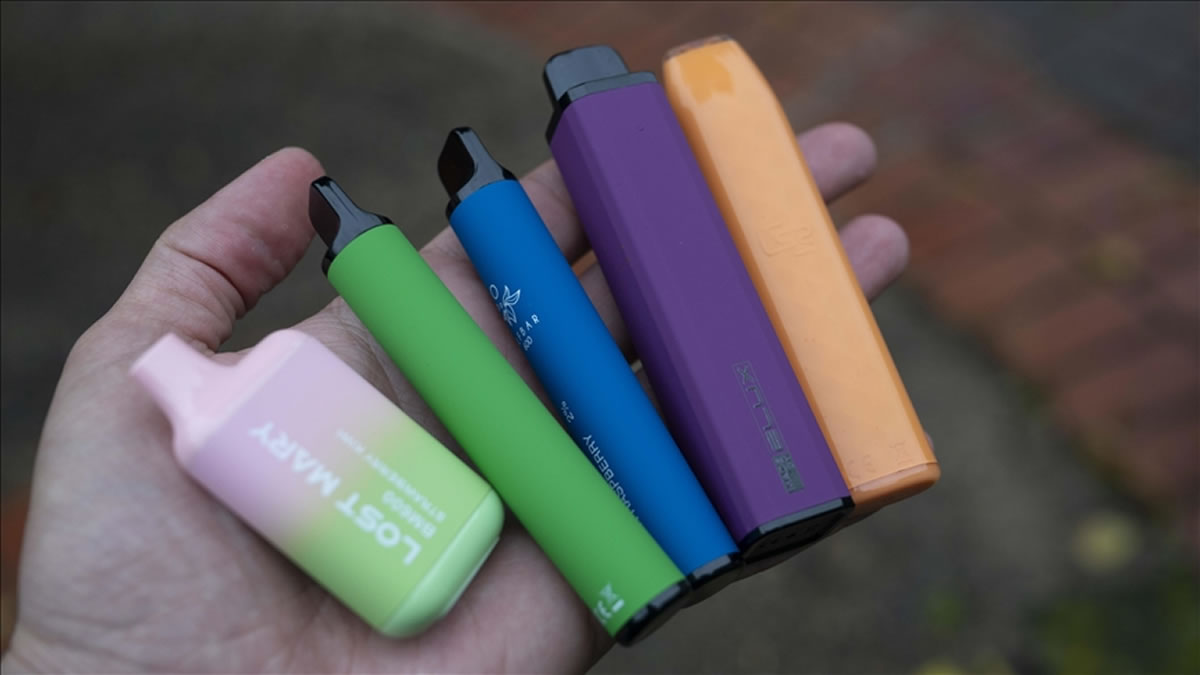
The safer decision is the one with accountability
The real comparison is not convenience versus inconvenience. It is anonymous speed versus accountable purchase conditions. For Belgian buyers, verified sellers generally offer more visible safeguards: age checks, clearer legal posture, payment records, product information, and after-sales routes. A no-ID checkout may feel easier in the moment, but if it also hides the seller, weakens compliance signals, or removes support, the shortcut is carrying more risk than it first appears.
Related Guides in best vape
These related guides connect this article to the site's broader topic map.
- No ID Vape Netherlands Rules: Why Age Checks Still Matter Online
- No ID Vape in Germany: 7 Risks Hidden Behind Easy Checkout Claims
- Was Ist Eine Vape and What Should You Check Before Buying One?
- Blueberry Ice Vape vs Plain Blueberry: Which Flavor Fits You?
- Bulk Disposable Vape Costs: What Changes the Real Unit Price
- How to Buy Vape Wholesale With Better Margins and Fewer Stockouts
- Disposable Vape Wholesale Mistakes That Can Shrink Your Margins
- Europe Fast Shipping Vape vs Local Stock: Which Saves More Time?
- Is a High Puff Disposable Vape Worth It? Costs, Battery, and Flavor
- Long Lasting Disposable Vape for Heavy Users: What Matters Most
- How to Choose Prefilled Vape Wholesale Without Overstocking Slow Movers
- Vape Bulk Price Negotiation: What Retail Buyers Can Ask For


