
No ID Vape in Germany: 7 Risks Hidden Behind Easy Checkout Claims
A checkout that asks for no ID can look like the easiest route: fewer forms, less waiting, no document upload. For adult shoppers searching for “no id vape Germany,” that convenience should be treated as a warning sign, not a shortcut. In Germany, vaping products are legal but regulated, and age checks, compliant labeling, tax handling, and seller transparency all matter before money changes hands.
The quick answer: no-ID checkout is not a trust signal
If a vape seller serving Germany advertises a no-ID process, the practical question is not only “Will my order go through?” It is “What else is the seller skipping?” Germany treats e-cigarettes as regulated tobacco-related products, with age restrictions and product compliance expectations. The Global State of Tobacco Harm Reduction country profile for Germany is useful here because it summarizes the broad legal status: e-cigarettes are legal, online sales are legal, but the category is regulated and youth access controls matter.
For an adult buyer, the safer decision rule is simple: a slower checkout with clear compliance steps is usually less concerning than a fast checkout that avoids basic verification entirely.
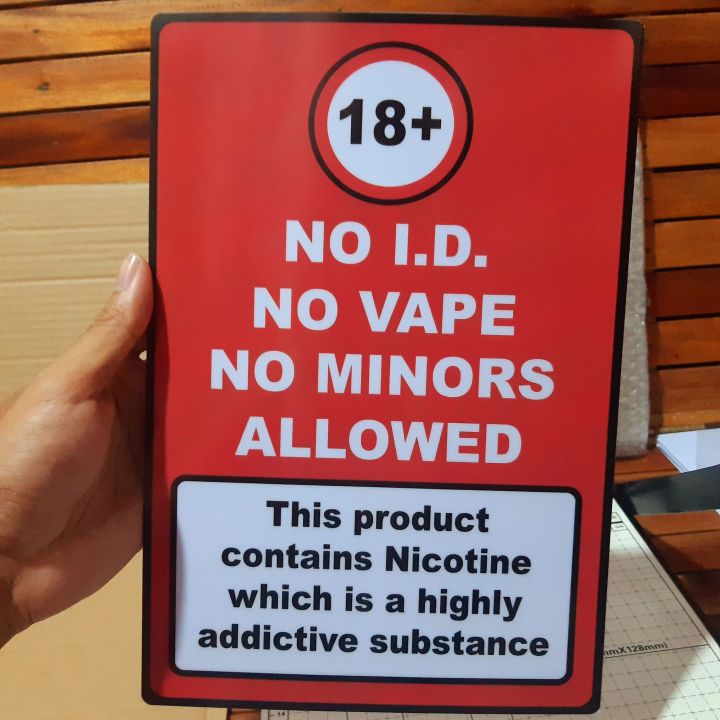
Risk 1: The seller may be ignoring age-restriction duties
The most obvious issue with a no-ID vape Germany claim is age verification. Vaping products are not ordinary lifestyle accessories in Germany; they sit in a regulated category linked to tobacco control. Retailers are expected to prevent sales to minors. A checkout that makes no attempt to verify age can indicate weak controls or a seller operating outside normal compliance expectations.
This matters even if you are over 18. A seller that is careless about age checks may also be careless about product notifications, tax documentation, packaging rules, delivery controls, or customer support. The missing ID step is not just one missing box; it can be the first visible sign of a thin compliance setup.
Practical check
- Look for a clear age policy before checkout, not only a vague “18+” footer.
- Be cautious if the site frames no verification as a selling point.
- Do not assume that “ships to Germany” means “compliant for Germany.”
Risk 2: “No ID” can blur the line between legal access and illegal underage access
Some searches for no-ID vape sellers come from adults who dislike uploading documents. That concern is understandable: people worry about privacy, data security, and delays. But no-ID marketing can also appeal to underage buyers, which is exactly why it attracts regulatory attention.
A responsible adult buyer should separate two questions:
| Question | What it tells you |
|---|---|
| Does the seller explain why an age check is required? | They understand the category is regulated. |
| Does the seller avoid verification entirely? | They may be prioritizing conversion over compliance. |
| Does the seller explain how personal data is handled? | They may be taking both age control and privacy seriously. |
The better objection is not “ID checks are annoying.” It is “How can the seller verify age without mishandling personal data?” A legitimate seller should be able to answer that in plain language.
Risk 3: Product compliance may be harder to confirm
Age checking is only one part of the picture. Germany sits within the EU regulatory environment for e-cigarettes, and compliance discussions commonly cover product notification, packaging requirements, nicotine limits, warning labels, and tax treatment. Business-focused compliance summaries, such as Hangsen’s guide to regulations, taxes, and registration for e-cigarettes in Germany, are useful not because they are shopping advice, but because they show how many obligations sit behind a legal retail product.
For a consumer, the takeaway is straightforward: if a seller will not clearly identify itself, verify age, or explain German-market compliance, you have less basis for trusting the item you receive. Packaging may look professional while still being difficult to verify, especially with cross-border sellers or marketplace-style websites.
Common mistake to avoid
Do not treat a German-language page, euro pricing, or a “Germany shipping” banner as proof of compliance. Those are marketing and logistics signals. They are not the same as clear regulatory information.
Risk 4: Tax-stamp and import issues can turn “cheap” into complicated
Germany has imposed excise tax rules on e-liquids, including nicotine-containing and nicotine-free liquids, with a tax stamp system described in compliance guides. This is mainly a manufacturer, importer, and retailer obligation, but it can affect buyers because non-compliant goods are more likely to face delivery problems, seizure risk, or lack of after-sale support.
The tradeoff is familiar: a no-ID seller may appear cheaper or faster, but low friction can hide missing tax or import steps. If a seller is vague about where goods ship from, who imports them, or whether products are intended for the German market, the buyer carries more uncertainty.
A practical rule: be especially cautious with websites that combine three claims at once: no age check, very aggressive pricing, and unclear origin. Each claim may have an innocent explanation on its own; together, they deserve scrutiny.
Risk 5: Delivery can fail at the point where verification finally appears
No-ID checkout does not always mean no verification at all. Sometimes the friction moves from the website to the parcel stage. A buyer may pay quickly, then face age-related delivery checks, courier refusal, missing documentation, or a return process that is hard to resolve.
That can be worse than a slower checkout. If an ID check happens before payment, you know where you stand. If it appears after dispatch, the money, parcel, and support process are already in motion.
Before ordering, read the delivery terms for these details
- Whether age verification happens online, at delivery, or both.
- What happens if the recipient is not available or cannot complete verification.
- Whether the seller provides a real returns and refund policy for failed delivery.
- Which country the goods ship from and who handles customs or tax obligations.
If those details are missing, the checkout may be easy only because the difficult parts have been left unexplained.
Risk 6: Privacy concerns can be used to sell a weaker process
Many adults hesitate to upload ID documents online. That hesitation is reasonable. Identity documents contain sensitive information, and no one should share them casually with a site they do not trust. But sellers can exploit that concern by presenting “no ID” as privacy protection, when the real issue may be that they have no compliant verification process.
A more useful privacy standard is not “no information ever.” It is data minimization: the seller should collect only what is needed, explain why it is needed, and say how it is handled. If the site gives no age-verification details, no company information, no privacy policy worth reading, or no support contact beyond a form, the privacy argument becomes weak.
Decision rule: avoid solving one privacy concern by accepting a larger trust problem. A seller that hides its own identity should not be rewarded with your payment details.
Risk 7: Scam signals become easier to miss when speed is the hook
Easy checkout claims work because they reduce hesitation. That same speed can make buyers skip basic checks: who owns the site, where it is based, whether policies are copied, whether legal pages match the country served, and whether support is reachable.
No single warning sign proves a scam. But several small signals together should slow you down:
- No clear business name or address.
- Only generic email support, with no meaningful policy pages.
- Copied legal text that mentions the wrong country.
- Unclear delivery origin or customs responsibility.
- No explanation of age checks despite selling age-restricted goods.
- Pressure language such as limited-time checkout claims paired with no compliance detail.
The practical test is simple: if a problem occurs, can you identify who must fix it? If the answer is unclear before purchase, it will not become clearer after a failed delivery.
What German vape rules mean for a cautious adult buyer
Germany does not ban vaping outright. The more accurate summary is that e-cigarettes are legal but controlled. The Tobacco Control Laws policy page for Germany is useful as a reference point because it tracks country-level e-cigarette policy categories. The GSTHR Germany profile also notes that online sales are legal while vending-machine sales are banned and health claims are not permitted.
That mix is important. Legal availability does not mean a free-for-all. A seller can be allowed to sell online and still need to follow rules around age, labeling, marketing, and distribution. For consumers, the goal is not to become a compliance officer. It is to avoid obvious shortcuts that put the order, payment, or product trust in doubt.
A simple pre-check before using any vape checkout in Germany
Use this as a pause point before paying, especially if the seller promotes no-ID checkout:
- Age policy: Does the seller clearly state that sales are for adults and explain verification?
- Company identity: Can you find a real business name, address, and contact route?
- Germany-specific compliance: Are packaging, tax, or market rules addressed in any meaningful way?
- Delivery terms: Is the shipping origin clear, and are failed-delivery outcomes explained?
- Privacy policy: Does the site explain what data it collects and why?
- Returns support: Is there a usable process if the parcel is refused, delayed, or wrong?
- Marketing tone: Is the site selling convenience while avoiding compliance questions?
If two or three answers are weak, the issue is no longer just an ID check. It is overall seller trust.
Why puff counts and product claims deserve separate scrutiny
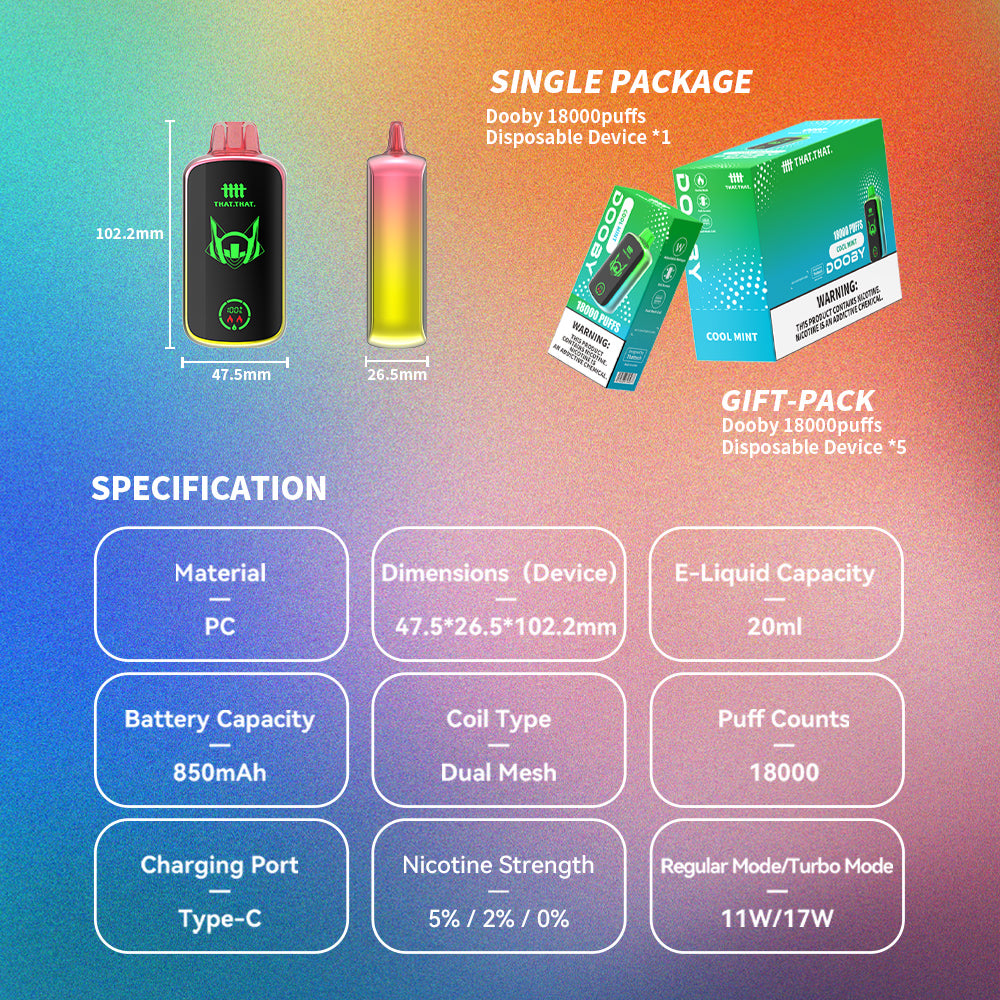
No-ID claims often appear alongside other convenience-led messages: huge puff counts, effortless ordering, fast delivery, or unusually broad flavor availability. Those claims are separate from age verification, but they can distract from the same core question: can the seller substantiate what it says?
For a Germany-specific look at how puff-count claims can differ from what matters legally or practically, see how many puffs a vape can have in Germany versus what the package claims. If you are still learning the category basics, this plain-English guide to what a vape is can help separate device format, liquid, strength, and packaging details before you evaluate any seller’s checkout promises.
How this concern compares with other European no-ID searches
The same hesitation appears in nearby markets: adults want speed and privacy, while regulators focus on youth access and compliant distribution. If you are comparing rules across borders, the Netherlands has similar search behavior around shortcut checkout claims. Our related guide on no-ID vape searches in the Netherlands explains why age checks still matter online even when the buyer’s intent is simply convenience.
For Germany specifically, the main lesson remains: judge the seller by the controls it explains, not by the friction it removes.
FAQ: no-ID vape searches in Germany
Is vaping legal in Germany?
Yes, e-cigarettes are legal in Germany, but they are regulated. Online sales are legal according to the GSTHR country profile, but that does not remove age restrictions or other compliance duties.
Does no ID mean a seller is illegal?
Not automatically from the phrase alone, because verification methods can vary. But a seller openly promoting no age verification for age-restricted goods is a red flag. The concern is what else may be missing from the compliance process.
Why would an adult buyer avoid no-ID checkout?
Because age verification is often a visible sign of broader seller discipline. If the seller skips it, you may face higher uncertainty around delivery, tax handling, product compliance, returns, and support.
Is uploading ID always safe?
No. You should not upload sensitive documents to a site you do not trust. Look for a clear privacy policy, company identity, and a proportionate verification process. The better standard is responsible verification with data protection, not blind document sharing.
What is the main warning sign before ordering?
The strongest warning sign is a pattern: no ID checks, unclear company details, vague delivery terms, aggressive pricing, and little or no Germany-specific compliance information. One weak detail may be fixable; several weak details should make you stop.
The safer takeaway
A no-ID checkout promise solves one small inconvenience while creating larger questions about age control, product compliance, tax handling, delivery, privacy, and seller accountability. For adults in Germany, the more reliable approach is to treat verification and transparency as trust signals. If a seller’s main pitch is that it removes every checkpoint, ask why those checkpoints were missing in the first place.
Related Guides in best vape
These related guides connect this article to the site's broader topic map.
- No ID Vape Netherlands Rules: Why Age Checks Still Matter Online
- Vape Distributor Germany Lead Times: How to Avoid Empty Shelves
- How Many Puffs Can a Vape Have in Germany vs What the Package Claims
- Was Ist Eine Vape and What Should You Check Before Buying One?
- Blueberry Ice Vape vs Plain Blueberry: Which Flavor Fits You?
- Bulk Disposable Vape Costs: What Changes the Real Unit Price
- How to Buy Vape Wholesale With Better Margins and Fewer Stockouts
- Disposable Vape Wholesale Mistakes That Can Shrink Your Margins
- Europe Fast Shipping Vape vs Local Stock: Which Saves More Time?
- Is a High Puff Disposable Vape Worth It? Costs, Battery, and Flavor
- Long Lasting Disposable Vape for Heavy Users: What Matters Most
- How to Choose Prefilled Vape Wholesale Without Overstocking Slow Movers


