
Understanding Pod Systems: A Beginner's Guide to Vaping
Pod systems became popular because they remove much of the setup that makes older vape devices feel technical. The useful shortcut is this: a pod system is usually a small battery body plus a replaceable pod that holds the e-liquid and often the coil. The real choice is not whether pods are “simple,” but which pod style, coil setup, and compatibility rules fit how you expect to vape.
What “pod system aufbau” actually means
If you searched for pod system aufbau, you are probably trying to understand the structure before deciding whether this type of device makes sense. The basic build is intentionally compact: instead of a separate tank, glass section, coil housing, and large mod body, most pod systems combine several functions into fewer parts.
A typical pod system has three core areas:
- Battery device: the main body that supplies power, contains the charging port, and may include a button, light indicator, screen, airflow slider, or automatic draw sensor.
- Pod or cartridge: the removable top section that holds e-liquid. It connects to the battery through metal contacts and usually attaches magnetically or with a click-fit mechanism.
- Coil: the heating element that vaporizes e-liquid. In many beginner pod systems, the coil is built into the pod. In others, the coil can be replaced separately while the pod shell is reused.
The important beginner detail is that “pod” can mean different things. Sometimes it means a sealed cartridge you replace as a whole. Sometimes it means a refillable container with a built-in coil. Sometimes it is a reusable pod that takes replaceable coils. Those differences affect maintenance, waste, compatibility, and ongoing cost.
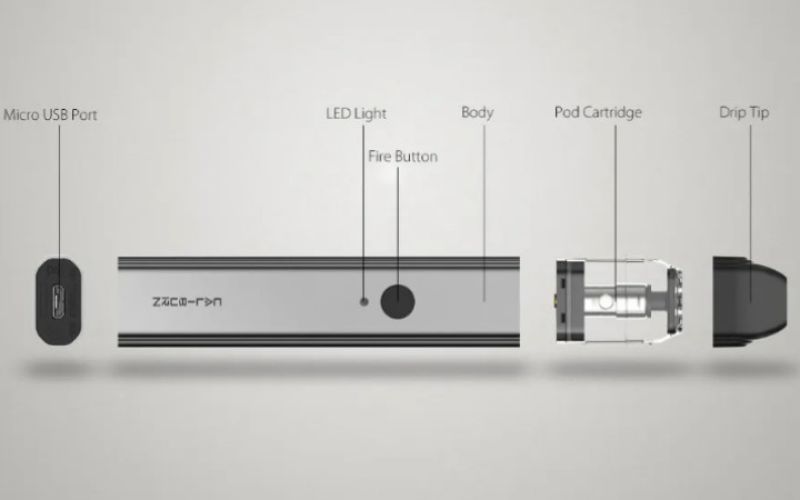
How a pod system works from puff to vapor
The operating sequence is simple, but each part has a job. When you inhale or press the activation button, the battery sends power to the coil. The coil heats the e-liquid that has soaked into the surrounding wick material. That heated liquid becomes vapor and travels through the mouthpiece.
Many pod devices are draw-activated, meaning there may be no fire button to press. Others use a button, and some offer both. Draw activation feels more familiar to many beginners because the device responds when you inhale; button activation gives a little more control but adds one more habit to learn.
Airflow also matters. A tighter draw can feel closer to a cigarette-style inhale, while a more open draw can produce more vapor and a looser inhale. Not every pod system allows airflow adjustment, so this is worth checking before assuming all small devices feel the same.
Pod systems vs traditional e-cigarettes: the practical differences
The difference between a pod system and a traditional e-cigarette is less about whether both create vapor and more about how much the user manages. Traditional refillable e-cigarette setups often use a separate tank and replaceable coil head attached to a battery or mod. Pod systems usually simplify that arrangement by using a compact cartridge-style pod.
| Comparison point | Pod system | Traditional refillable e-cigarette |
|---|---|---|
| Structure | Battery body plus removable pod; coil may be built in or replaceable. | Battery or mod plus separate tank and coil assembly. |
| Setup | Usually minimal: fill or insert pod, wait for the wick to saturate if needed, then vape. | Often requires more attention to tank parts, coil installation, wattage range, and airflow. |
| Portability | Generally compact and pocket-friendly. | Can be larger, especially with higher-capacity batteries or tanks. |
| Control | Ranges from very simple to moderately adjustable. | Often offers broader adjustment options for wattage, airflow, coil types, and tank capacity. |
| Maintenance | Less assembly; replacement depends on pod or coil design. | More parts to clean, replace, and troubleshoot. |
For a deeper educational comparison of device categories, see the guide to vape types and how they differ. It is useful if you are still deciding whether pods, disposables, vape pens, or larger mod-style devices match your expectations.

The main pod types and why compatibility matters
Pod compatibility is one of the most common beginner frustrations. A pod is not universal just because it looks similar. Shape, magnets, airflow position, electrical contacts, coil resistance, and firmware recognition can all determine whether a pod works with a specific battery device.
Prefilled pods
Prefilled pods come with e-liquid already inside. They are designed for convenience: insert the pod, use it until it is empty or the flavor drops off, then replace it according to the system’s instructions. The tradeoff is limited flexibility. You typically cannot choose any e-liquid you want, and you must use pods made for that device family.
Refillable pods with built-in coils
Refillable pods let you add compatible e-liquid yourself, but the coil is part of the pod. When the coil wears out, tastes burnt, leaks persistently, or performance drops, the whole pod is replaced. This design keeps maintenance simple while offering more e-liquid choice than prefilled pods.
Refillable pods with replaceable coils
Some pods are reusable shells that accept separate coil heads. This reduces how often the full pod needs replacing, but it asks more from the user: choosing the right coil, installing it correctly, priming it with e-liquid, and staying within the device’s intended power range. For beginners who want to learn gradually, this can be a middle ground between simple pods and traditional tank systems.
Open vs closed pod systems
A closed pod system usually means the user relies on prefilled or proprietary pods. An open pod system usually means the pod can be refilled with suitable e-liquid. The key word is “suitable”: even in open systems, the device may be designed for certain liquid thicknesses, coil resistances, or inhaling styles. Always verify the device instructions rather than assuming any bottle of e-liquid will work well.
Benefits of pod systems, with the tradeoffs included
The biggest advantages of a pod system are convenience, portability, and a shorter learning curve. A beginner can often understand the main parts quickly: charge the battery, insert or fill the pod, let a new coil saturate when required, and replace the pod or coil when performance declines.
Pod systems are also discreet in size. They usually take up less space than many traditional e-cigarette setups and do not require carrying separate tanks or tools. For people who value a compact device, that can be a meaningful advantage.
The tradeoff is that simplicity can limit flexibility. A very simple pod device may not let you adjust power, swap many coil styles, or fine-tune airflow. Proprietary pods can also restrict your options. If a device only accepts one pod family, your long-term experience depends on that pod format remaining available and matching your preferences.
There is also an environmental and maintenance angle. Replacing entire pods creates more small waste parts than replacing only a coil, while disposable-style formats create different waste considerations altogether. Battery devices and pods should be handled and disposed of according to local guidance and manufacturer instructions, especially when batteries or electronic components are involved.
How to choose the right pod system for your needs
The right pod system is not the one with the most features; it is the one whose design matches your tolerance for maintenance, your preferred draw, and the level of control you actually want. Use the following decision rules before you focus on appearance or marketing language.
1. Decide how much refilling and maintenance you accept
If you want the least handling, prefilled pods are the simplest format, but they limit flavor and compatibility choices. If you are comfortable refilling, open refillable pods give more flexibility. If you are willing to change coils, replaceable-coil pods can reduce full-pod replacement but require more care.
2. Match the draw style to your expectation
Some pod systems are designed for a tighter mouth-to-lung draw, where vapor is drawn into the mouth before inhaling. Others are airier and feel closer to a restricted direct-lung draw. If draw style is wrong, even a well-built device can feel unsatisfying, too harsh, or too weak.
3. Check pod availability and compatibility before committing
Look for the exact pod name or device series supported by the battery. Do not rely on visual similarity. If a pod uses replaceable coils, check which coil types fit the pod and whether the device can power them appropriately.
4. Consider battery behavior, not just size
A smaller device is easier to carry, but it may need more frequent charging. Also check how the device communicates battery status: simple LED lights are common, while more advanced devices may use screens or clearer indicators. The “better” choice depends on whether you prefer simplicity or more feedback.
5. Think about long-term cost drivers
Without comparing specific products, the cost pattern is still worth understanding. Prefilled pods may cost more per refill cycle because the liquid and pod are bundled. Refillable built-in-coil pods require periodic full-pod replacement. Replaceable-coil systems add coil purchases but may extend the life of the pod shell. For broader context on vape cost factors, this educational guide on vape price ranges in Germany explains what usually affects ongoing spend.
If you are comparing pods with disposable-style options, the guide Puff vs. Pod can help clarify the convenience-versus-reuse tradeoff without jumping straight to a product choice.
Maintenance habits that prevent common pod problems
Pod systems are beginner-friendly, but they are not maintenance-free. Most performance problems come from worn coils, poor filling habits, incompatible liquid, dirt on contacts, or using a new pod before the wick has absorbed enough e-liquid.
- Let new coils or pods saturate: after filling a new refillable pod or installing a new coil, wait as directed by the manufacturer before vaping. This helps reduce dry or burnt hits.
- Keep contacts clean and dry: if the device misfires or fails to recognize a pod, check the metal contacts on the pod and battery for condensation or residue.
- Do not overfill: filling past the indicated level can force liquid into airflow channels and increase leaking or gurgling.
- Close the fill port securely: a loose silicone plug or cap can cause leaks in pockets or bags.
- Replace worn pods or coils: muted flavor, persistent burnt taste, reduced vapor, and repeated leaking can all signal that the coil or pod has reached the end of its useful life.
- Use suitable e-liquid: follow the device guidance on liquid type and viscosity. A liquid that is too thick or too thin for the pod can cause dry hits, leaking, or inconsistent performance.
FAQ: beginner questions about pod systems
What is the lifespan of a typical pod system?
There are two lifespans to separate. The battery device may last much longer than the pod, depending on charging habits, build quality, and use. The pod or coil is a consumable part and will need replacement when flavor, vapor, or reliability declines. Because lifespan varies by device and usage, the most reliable method is to follow the manufacturer’s replacement guidance and watch for performance changes.
Can pod systems be used with any e-liquid?
No. Refillable pods allow user-filled e-liquid, but that does not mean every liquid is suitable. Check the device instructions for recommended liquid type, coil compatibility, and filling guidance. Prefilled or closed pod systems are generally intended for their own compatible pods, not bottled e-liquid.
Are pod systems suitable for beginners?
Many pod systems are suitable for beginners because their components are easy to understand and they reduce setup steps compared with many traditional e-cigarette devices. The best beginner fit is usually a system with clear pod compatibility, simple filling or insertion, understandable battery indicators, and maintenance steps you are willing to repeat.
The practical takeaway
A pod system is built around a simple structure: battery, pod, and coil. The decision comes down to pod type, compatibility, draw style, maintenance level, and long-term replacement needs. Before choosing any pod system, verify which pods fit, whether they are prefilled or refillable, how the coil is replaced, and what care steps the device requires. That small check prevents most beginner confusion.
Related Guides in best vape
You can refer to similar articles..
- Smart Vape Pod Systems: A Comprehensive Guide for 2025
- Puff vs. Pod: Making the Right Choice for Your Vaping Needs
- Is a High Puff Disposable Vape Worth It? Costs, Battery, and Flavor
- Long Lasting Disposable Vape for Heavy Users: What Matters Most
- Comparing Vape Types: A Comprehensive Guide to Choosing the Right E-Cigarette
- Was Bedeutet Vape vs E-Cigarette? The Difference Buyers Miss
- Wie Viel Kostet Vape in Germany? Price Ranges Buyers Should Know
- Discover the Best Cherry Vape Flavors: A Comprehensive Guide
- Discover the Best Puff Flavors for Every Season
- Top Rechargeable Puff Brands in Europe for 2025: A Comprehensive Guide
- Blueberry Ice Vape vs Plain Blueberry: Which Flavor Fits You?
- Bulk Disposable Vape Costs: What Changes the Real Unit Price


