
Smart Vape Pod Systems: A Comprehensive Guide for 2025
Smart pod systems sit between throwaway convenience and advanced mod-style control. If your main uncertainty is whether a pod device is cleaner, cheaper, or easier than a disposable or mod, the practical answer is: it depends on the pod format, how often you vape, and whether you want refillable or prefilled pods. This guide explains the tradeoffs that matter in 2025: device type, waste, long-term cost, beginner features, and how to judge “top-rated” claims without falling for hype.
What “smart” adds to a pod system
A pod system is a compact vaping device that uses a pod as the mouthpiece and e-liquid chamber. The coil may be built into the pod, replaceable separately, or supplied in a prefilled pod. Compared with larger mod systems, pod systems usually prioritize portability, simple setup, and consistent draw over deep customization.
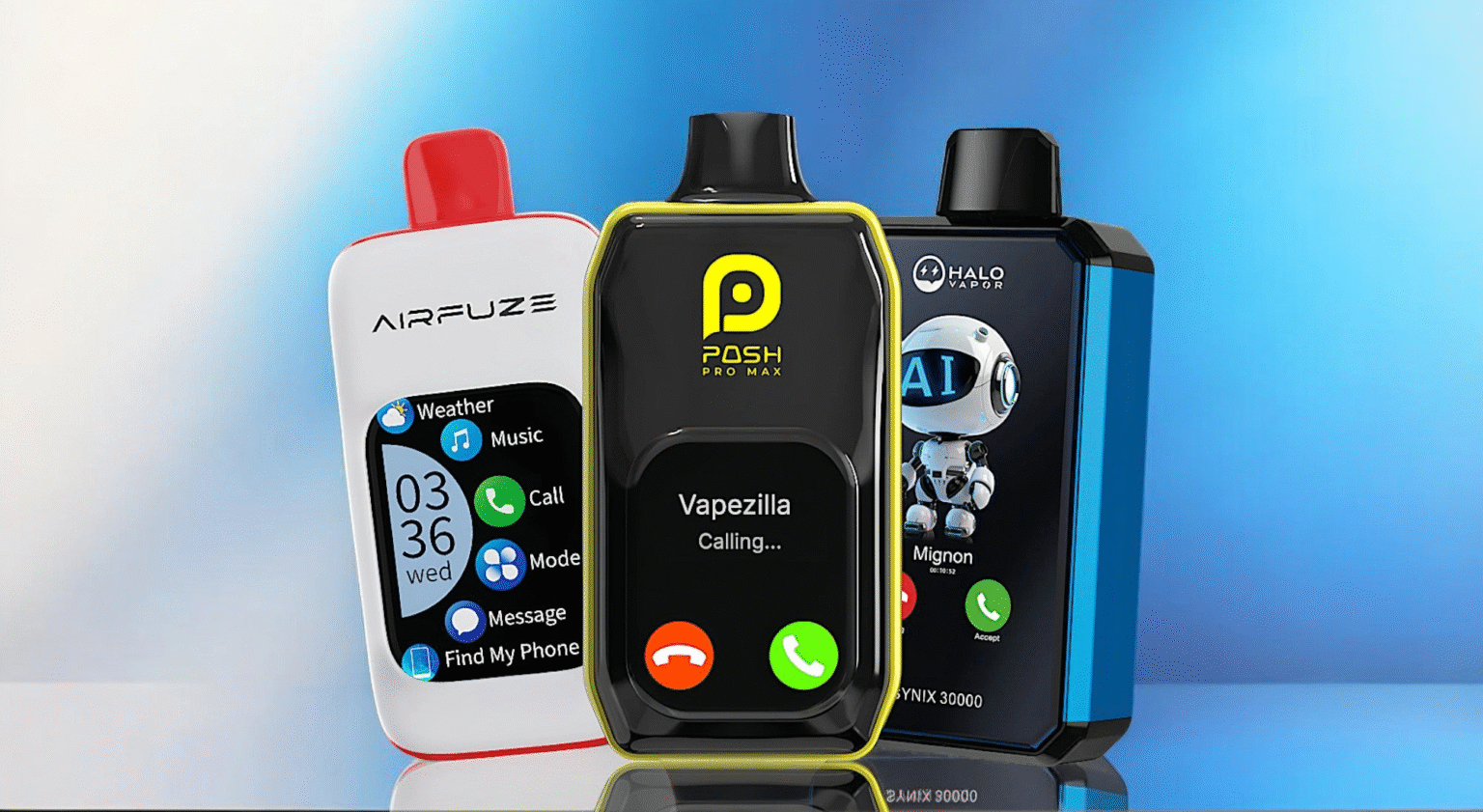
The “smart” part does not mean every device works the same way. In this category, smart features generally refer to feedback or automation that helps the user avoid guesswork: battery indicators, power adjustment, draw activation, screen prompts, pod recognition, puff counters, airflow control, or protections that reduce accidental misuse. Search terms such as “smart vape oder pod system” often come from people trying to understand whether a smart disposable, a pod vape, or a classic e-cigarette style device is the better learning path.
The useful way to think about it is not “smart equals better.” It is: does the device give you enough information and control without making routine use more complicated?
Pod systems, mod systems, and disposables: the practical differences
The biggest decision is not the brand name on the device. It is the operating model. A pod, a mod, and a disposable can all deliver vapor, but they differ in maintenance, waste, cost structure, and the amount of control they give the user.
| Device type | What it is | Strengths | Tradeoffs | Best suited to |
|---|---|---|---|---|
| Pod systems | Compact rechargeable devices using replaceable or refillable pods | Portable, relatively simple, less disposable hardware waste than one-use devices | Pods and coils still need replacement; refillable versions require some care | Adults who want convenience with more control than a disposable |
| Mod systems | Larger devices with separate tanks and broader settings such as wattage or temperature control | More customization, larger battery options, adjustable performance | Bulkier, steeper learning curve, more parts to understand | Experienced users who want detailed control and are comfortable with setup |
| Disposables | All-in-one devices intended to be discarded after the liquid or battery is depleted | Very simple, no refilling or pod changes | More device waste, limited control, recurring replacement cost can add up | Users prioritizing short-term convenience over ownership and maintenance |
For beginners, the comparison usually comes down to friction. Disposables have the lowest setup friction, but they also remove most user control. Mods offer the most control, but that control can feel like homework if you only want a straightforward device. Pod systems occupy the middle: enough structure to be manageable, enough replaceability to avoid throwing away the whole device every time.
If you are still clarifying basic terminology, an educational guide to vape versus e-cigarette language can help separate device names from marketing labels.
Environmental impact: pod systems reduce some waste, but they are not waste-free
Pod systems often look more sustainable than disposables because the battery body is reused. That matters: with a disposable, the battery, casing, coil, and remaining internal materials typically leave the user’s hands as one discarded unit. With a pod system, the main device remains in service while pods, coils, or e-liquid containers are replaced.
That does not make pod systems environmentally neutral. The environmental impact depends on the design:
- Prefilled closed pods reduce refilling mess, but every empty pod becomes waste.
- Refillable pods can reduce pod turnover, but the pod and coil still have a lifespan and must eventually be replaced.
- Replaceable-coil pods may reduce plastic pod waste, but they add small metal coil waste and more maintenance.
- Rechargeable batteries should be handled according to local e-waste or battery disposal guidance, not placed casually in household trash.
The practical sustainability question is not “pod or disposable?” in the abstract. Ask: how many complete devices would I discard in the same period, and what parts of the pod setup still need disposal? If a disposable lasts only a short time for your usage pattern, a reusable pod body may meaningfully reduce the number of batteries and casings thrown away. If you rarely vape, the difference may be smaller, though proper disposal still matters.
For readers comparing the waste profile of disposables specifically, this educational discussion of long-lasting disposable vape claims explains why puff count alone does not tell the full story.

Cost over time: the break-even point depends on your pattern
Pod systems can be more cost-effective than disposables over time, but only if the recurring parts are priced and used sensibly. A disposable has a simple cost model: buy, use, discard, repeat. A pod system has an upfront device cost plus ongoing pod, coil, and e-liquid costs depending on the format.
Some disposable-focused market coverage describes users spending around $15–$25 for a device every few days, but that should be treated as an example, not a universal rule. Local prices, device capacity, usage frequency, and replacement habits change the math. The more reliable method is to calculate your own monthly pattern.
A simple cost formula
- Disposable monthly cost: number of disposables used per month × price per disposable.
- Closed pod monthly cost: pod device cost spread over expected use period + prefilled pod packs used per month.
- Refillable pod monthly cost: device cost spread over expected use period + replacement pods or coils + e-liquid used.
The reason pod systems often create savings is that the rechargeable body is reused. The reason savings sometimes disappoint is that users underestimate pod replacement, coil wear, leaking, lost devices, or the tendency to buy multiple flavors at once. A low device price can also be misleading if the pods are proprietary and expensive in your area.
To avoid a false economy, compare the recurring unit you will actually replace. With disposables, that unit is the whole device. With closed pods, it is the pod pack. With refillable pods, it may be the pod, coil, and e-liquid. The cheapest-looking option on day one is not always the cheapest after several weeks.
If your current comparison is mostly between high-puff disposables and reusable options, this guide to high-puff disposable costs, battery, and flavor claims is a useful companion because it separates advertised puff count from real ownership cost.
Beginner-friendly pod features that actually matter
A beginner-friendly pod system should reduce mistakes, not hide every detail. Too many settings can be intimidating, but too little feedback can leave new users guessing why the device tastes weak, feels harsh, leaks, or stops working.
Look for these feature categories when reading reviews or device descriptions:
- Clear battery feedback: lights, bars, or screens help prevent surprise cutoffs and unnecessary charging anxiety.
- Simple activation: auto-draw devices start when you inhale, while button-fired devices require a press. Neither is automatically superior; the easier option depends on preference and accidental activation concerns. For a deeper explanation, see this guide to auto-draw versus button firing.
- Leak-resistant pod design: no pod is guaranteed leak-proof, but clear fill ports, secure seals, and sensible fill limits reduce mess.
- Visible e-liquid level: being able to see remaining liquid helps prevent dry hits and premature pod damage.
- Moderate adjustability: simple airflow or low-to-high power settings can be useful; advanced menus may be unnecessary for a first device.
- Easy pod installation: magnetic or click-in pods reduce threading issues and make replacement more intuitive.
- Availability of replacement parts: a device is only convenient if compatible pods or coils are easy to identify and obtain from appropriate adult-only retail channels.
The common beginner mistake is choosing based on appearance alone. A slim device can still be frustrating if the pod is hard to fill, the battery feedback is vague, or replacement pods are confusing. Conversely, a device with a screen is not automatically easier if the interface adds settings the user does not understand.
How to read “top-rated pod systems” lists in 2025 without being misled
People searching for the top-rated pod systems available in 2025 often expect a ranked list of brands and models. For an educational TOFU guide, the more useful answer is how to judge those lists. Brand rankings and reviews can change quickly, and a “top” device for a hobbyist may be the wrong fit for a beginner who wants low maintenance.
When scanning 2025 pod system reviews, look for the criteria behind the rating, not only the final score. Strong reviews explain:
- whether the device uses prefilled, refillable, or replaceable-coil pods;
- how easy it is to fill, install, and monitor the pod;
- whether the power and airflow are fixed or adjustable;
- what replacement parts are required and how often they may need changing;
- how the reviewer assessed leakage, consistency, and battery feedback;
- whether the device is aimed at beginners, experienced pod users, or mod users seeking portability.
Be cautious with lists that use “best” without explaining the use case. A compact closed-pod system may be highly rated for simplicity, while a refillable smart pod may be rated for control and lower recurring waste. Those are different value judgments, not a universal winner.
A practical way to sort top-rated claims is to create your own short list of needs before reading any brand ranking: preferred maintenance level, refillable versus prefilled, desired feedback features, acceptable size, and replacement-part availability. Then a review becomes evidence for your fit, not a command to buy.
Which pod format fits which user need?
If you are deciding between pod systems rather than specific products, start with the format. The format shapes daily experience more than most marketing language.
| User priority | Pod format to understand | Why it may fit | What to watch |
|---|---|---|---|
| Lowest setup effort | Closed prefilled pod | No bottle filling; replace the pod when empty | More pod waste and less flavor/liquid flexibility |
| Lower recurring waste | Refillable pod | Reuse the pod for multiple fills before replacement | Requires filling carefully and monitoring coil condition |
| More control without a full mod | Smart adjustable pod | May offer battery display, airflow, or power settings | Extra features can add complexity |
| Advanced customization | Mod system instead of pod | Broader tank and setting options | More bulk, more learning, more parts |
For many adults who do not want a large mod, the key decision is closed versus refillable. Closed pods are closer to disposable convenience. Refillable pods require more involvement but can reduce the number of sealed pods discarded and may improve cost control over time.
If you are also comparing smart disposables with simpler puff-style devices, this educational article on smart versus classic disposable vapes explains how feedback and control change the experience.
FAQ
What makes pod systems more environmentally friendly than disposables?
The reusable battery body is the main difference. A pod system can reduce the number of complete devices discarded because only the pod, coil, or e-liquid container is replaced during normal use. However, pod systems still create waste, and batteries or electronic parts should be handled according to local disposal rules.
Are pod systems more cost-effective than disposables?
They can be, especially for frequent users, because the main device is reused. But the answer depends on local prices, how often you replace pods or coils, and whether the system uses proprietary parts. Compare monthly disposable replacement cost against device cost spread over time plus recurring pod, coil, and e-liquid costs.
Which pod system is best for beginners?
Rather than looking for one universal “best,” beginners should prioritize clear battery feedback, simple activation, visible liquid level, easy pod installation, and straightforward replacement parts. A closed pod may suit someone who wants minimal maintenance, while a refillable pod may suit someone willing to learn basic upkeep for more control.
The practical takeaway
A smart vape pod system is worth understanding because it can offer a middle path: less throwaway hardware than disposables, less complexity than mods, and enough feedback to reduce guesswork. Before following any 2025 top-rated list, compare device categories, calculate your real recurring costs, check disposal requirements, and decide how much maintenance you are willing to handle. The right choice starts with format and usage pattern, not hype.
Related Guides in best vape
You can refer to similar articles..
- Was Bedeutet Vape vs E-Cigarette? The Difference Buyers Miss
- Vape oder Zigaretten: 5 Misconceptions That Can Skew Your Choice
- Is a High Puff Disposable Vape Worth It? Costs, Battery, and Flavor
- Long Lasting Disposable Vape for Heavy Users: What Matters Most
- Smart vs. Classic Disposable Vapes: Which is Right for You?
- Zigaretten oder Vape: The Harm-Reduction Claim Worth Checking First
- Was Ist Eine Vape Zndung? Auto-Draw vs Button Firing Explained
- Vape or Cigarette Risks: 5 Differences That Matter Most
- Was Kostet Eine Vape Monthly? The Hidden Refills Buyers Forget
- Welche Vape Hat Monte? Why the Exact Model May Not Be Enough
- Wie entsorgt man eine Vape After It Dies, Leaks, or Won't Charge
- Wie Macht Man Ringe Mit Vape Without Coughing or Wasting Puffs


