
Was Ist Ein Vape and How Does It Work Without Smoke?
A vape is an electronic device that heats a liquid until it becomes an inhalable aerosol. Nothing is set on fire, so the process is different from burning tobacco and producing smoke. The important correction for beginners: the cloud is not harmless air or simple steam. It is an aerosol made from heated liquid ingredients, and many vape liquids contain nicotine.
The quick answer for “was ist ein vape”
If you are asking was ist ein vape, the simplest answer is: it is a battery-powered device used for vaping, also called dampfen in German. It usually has a battery, a heating element, a place for liquid, and a mouthpiece. When activated, the heating element warms the liquid and creates a visible aerosol that the user inhales.
The key difference from smoking is combustion. A cigarette burns tobacco; a vape heats liquid. That one difference changes what is produced: no ash and no tobacco smoke from burning paper and leaf. But it does not make the aerosol automatically safe, clean, or consequence-free.
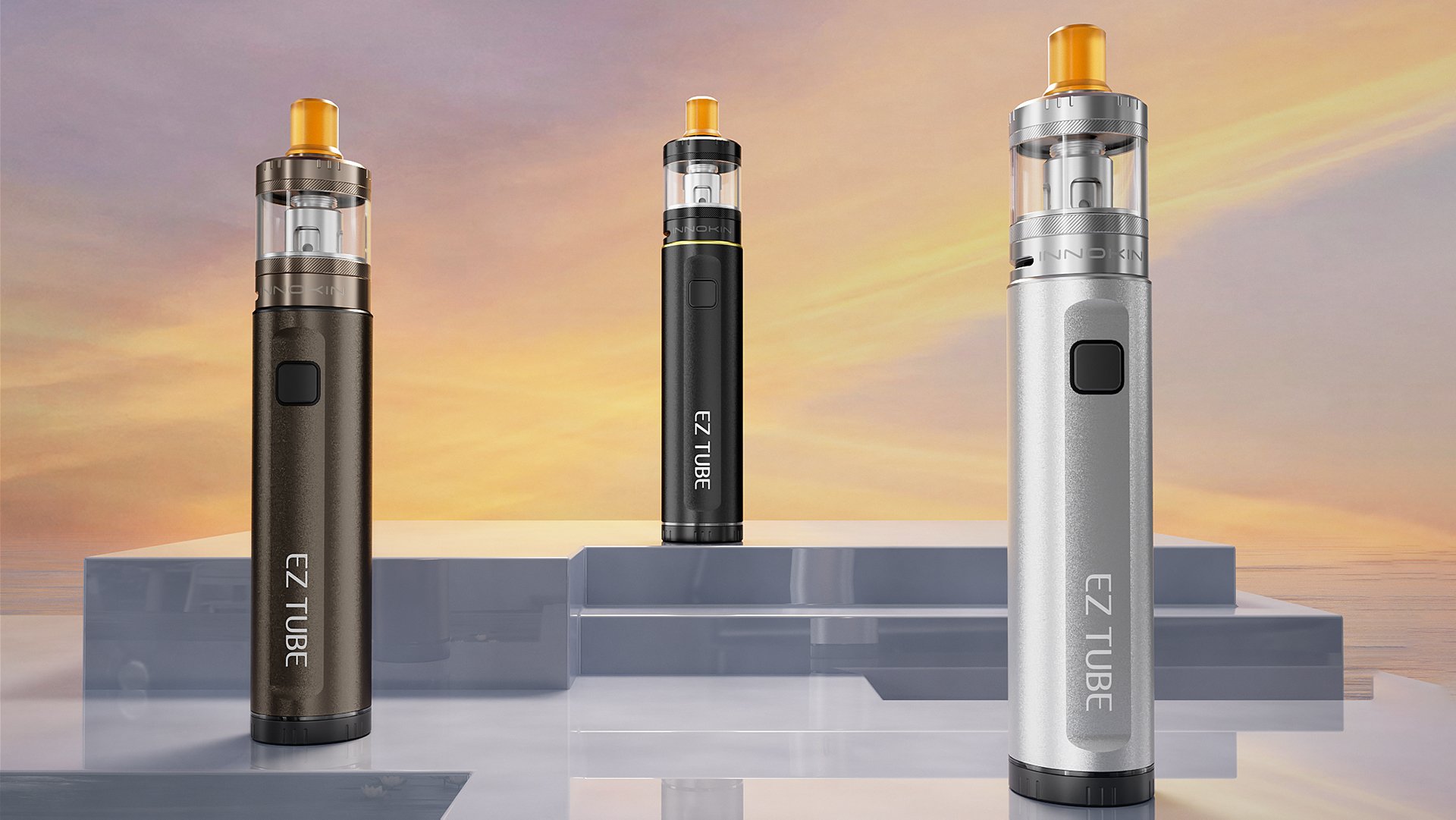
How a vape makes a cloud without burning anything
The mechanism is easier to understand if you separate the device from the liquid. The device supplies controlled heat. The liquid supplies the material that becomes the cloud.
- The battery provides power. Most vapes are small electronics, so the battery is the energy source.
- The heating element warms up. This part is often called a coil or atomizer. Its job is to heat, not burn, the liquid.
- Liquid reaches the heated area. In many designs, a wick or pod system brings liquid toward the heating element.
- The liquid becomes aerosol. Tiny droplets form and are carried through the mouthpiece as the user inhales.
This is why the word “vapor” can be misleading. Public health sources such as the Texas Department of State Health Services describe vaping as inhaling an aerosol, not water vapor. That distinction matters because an aerosol can carry nicotine, flavoring compounds, and other chemicals from the liquid.
A practical way to think about it: a kettle produces steam from water; a vape produces an aerosol from a formulated liquid. Both can be visible, but they are not the same thing.
What is inside a vape?
Designs vary, but most vapes share the same basic parts. Knowing these parts helps you read explanations without getting lost in device names.
- Battery: powers the heating element. Some are rechargeable; some devices are meant to be discarded after use.
- Heating element or coil: turns electrical energy into heat.
- Liquid reservoir: may be a tank, pod, cartridge, or sealed internal chamber.
- Mouthpiece: the part the user inhales through.
- Airflow path or sensor: some devices activate when the user draws on them; others use a button.
The decision rule for beginners is simple: do not judge a vape only by its size or shape. A slim pen-like device, a small pod, or a larger refillable device can all use the same basic principle: battery, heat, liquid, aerosol.
What is vape liquid made of?
Vape liquid is often called e-liquid or vape juice. It usually contains a base liquid, flavoring, and often nicotine. Some liquids are sold without nicotine, but that does not mean every aerosol is just “flavored air.”
Common base ingredients include propylene glycol and vegetable glycerin. These ingredients help carry flavor and create the visible cloud. Nicotine strength, flavoring type, and device temperature can change how the aerosol feels and how much nicotine is delivered.
The common mistake is assuming that a pleasant flavor changes the category of the product. Flavor may make the experience taste different, but it does not remove the need to check nicotine content, age rules, and safe handling instructions.
Vape versus cigarette: the useful comparison and the trap
The useful comparison is mechanical: smoking burns tobacco; vaping heats liquid. The trap is turning that mechanical difference into an unsupported health guarantee.
| Question | Cigarette smoking | Vaping |
|---|---|---|
| What is heated? | Tobacco and paper are burned. | A liquid is heated by an electronic element. |
| Is there combustion? | Yes. | No normal combustion process is intended. |
| What is inhaled? | Smoke from burning material. | Aerosol from heated liquid. |
| Does it contain nicotine? | Usually yes. | Often yes, depending on the liquid. |
| Is it harmless? | No. | Not harmless; risk depends on ingredients, use, user, and regulation. |
This comparison matters because many first-time readers are really asking whether “no smoke” means “no concern.” It does not. It means the route is different. The aerosol may still contain nicotine and other substances, and nicotine can be addictive. For a deeper educational look at the cigarette-versus-vape question, see Zigaretten oder Vape: The Harm-Reduction Claim Worth Checking First.
Why people confuse vapes, e-cigarettes, and vaporizers
In everyday language, “vape” is often used broadly. Some people use it to mean an e-cigarette. Others use it for a small disposable device. In technical discussions, “vaporizer” can also refer to devices that heat other materials, not only nicotine liquid. That overlap creates confusion.
For a beginner, the more useful question is not which word is fashionable. Ask what the device heats and what the user inhales. If it heats e-liquid into an aerosol, most consumer conversations will call it a vape or e-cigarette.
There is also a regional language issue. Someone searching in German for “was ist ein vape” may see English terms such as pod, coil, disposable, refillable, draw activation, or e-liquid. You do not need to master all of them at once. Start with the core mechanism: power plus heat plus liquid equals aerosol.
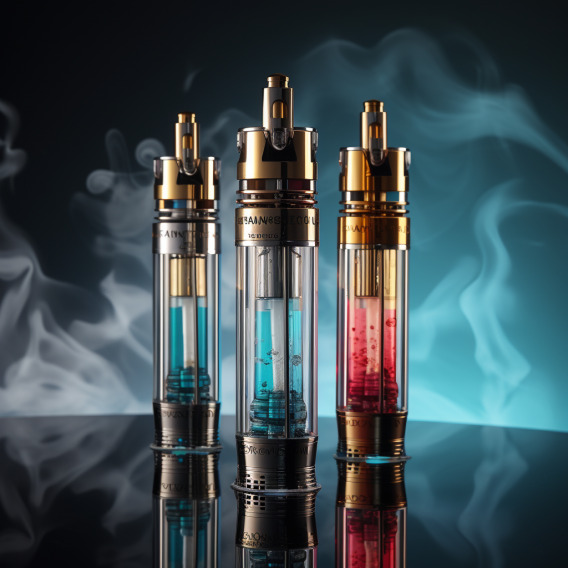
Different forms you may see, without choosing one yet
Vapes are not one single shape. They may be small, pen-like, boxy, refillable, sealed, rechargeable, or single-use. This article is not a buying guide, but the form factor affects how people understand the device.
- Sealed or disposable-style devices: usually simplify setup, but create questions about battery disposal, remaining liquid, and limited adjustment.
- Pod-style devices: often use replaceable or refillable pods, so users need to understand liquid and nicotine labeling.
- Tank-style devices: may allow more adjustment, which also means more responsibility for settings, liquid compatibility, and maintenance.
The tradeoff is convenience versus control. More convenience usually means fewer choices and less repairability. More control usually means more parts to understand. If you are still at the definition stage, pause before comparing devices and make sure you can identify the liquid, nicotine information, and basic safety instructions first. For a broader beginner explanation, you can also read Was Ist Vape? Costs, Nicotine, and Safety Questions Explained.
What “smoke-free” does and does not mean
“Smoke-free” can be accurate in the narrow sense that a vape is not burning tobacco in the way a cigarette does. But it can be misleading if it suggests that nothing meaningful is being inhaled.
Three clarifications help:
- No smoke does not mean no particles. The visible cloud is aerosol droplets.
- No tobacco burning does not mean no nicotine. Many liquids contain nicotine, and labels matter.
- No ash does not mean no environmental issue. Devices can contain batteries and leftover liquid, so disposal rules may apply locally.
The practical rule is to read “smoke-free” as a description of the mechanism, not as a safety certificate. If a claim sounds absolute, look for the actual basis: ingredients, nicotine content, device type, age rules, and the source of the information.
Age rules and safety basics beginners should not skip
Vaping products are regulated differently depending on location. In Texas, for example, the official DSHS vaping page notes that a person must be 21 years old to vape. Other places may have their own age thresholds, sales restrictions, packaging rules, or public-use rules. The safe assumption is not “it is allowed because it is sold somewhere”; it is “check the local rule that applies to you.”
Basic handling also matters because a vape is an electronic device and may contain nicotine liquid. Sensible precautions include keeping devices and liquids away from children and pets, avoiding damaged batteries or leaking devices, and following the manufacturer’s instructions for charging and storage. Those are not buying tips; they are basic risk controls for any regulated nicotine-related device.
If someone has a medical condition, is pregnant, or is trying to stop nicotine use, general web articles are not a substitute for professional advice. The article can explain the mechanism, but it cannot judge individual health risk.
Questions to ask before you compare or buy anything
At the top-of-funnel stage, the useful move is not picking a device. It is knowing what to check. These questions help turn the concept into practical understanding:
- What substance is being heated? E-liquid ingredients and nicotine content are central.
- Is nicotine present? Do not assume from flavor or packaging style.
- How is the device powered? Rechargeable and non-rechargeable devices have different handling and disposal issues.
- Can the liquid leak or be accessed? Leaks matter because liquid may contain nicotine.
- What local rules apply? Age and public-use laws can vary.
- What happens when it stops working? Disposal is part of responsible use, especially with batteries.
If your next question is about what to check before a first purchase, this related educational guide may be useful: Was Ist Eine Vape and What Should You Check Before Buying One?. If the cost side is your main curiosity, see Wie Viel Kostet Eine Vape for Beginners? Starter Kits vs Disposables.
Common beginner misunderstandings
“It is just water vapor.”
No. The visible cloud is more accurately described as an aerosol. This wording is not nitpicking; it changes how you think about what may be carried into the lungs.
“No smoke means it cannot contain nicotine.”
Many vape liquids do contain nicotine. Some do not. The only reliable answer is the label and applicable product information, not the flavor name or device shape.
“A smaller device must be weaker.”
Size alone is a poor guide. Nicotine strength, liquid type, device design, and user behavior all affect the experience.
“Vape and e-cigarette are completely different things.”
In everyday use, the terms often overlap. The clearer question is whether the device heats e-liquid to create an inhaled aerosol.
Short FAQ
Is a vape the same as an e-cigarette?
Often, yes in everyday language. “Vape” is a broad term, while “e-cigarette” is a more formal term for an electronic device that creates an inhalable aerosol from liquid.
Does a vape produce smoke?
It is not meant to produce smoke from combustion. It produces an aerosol by heating liquid. That is why “no smoke” should be understood as a mechanism difference, not a health guarantee.
Can a vape have no nicotine?
Some liquids are nicotine-free, while many contain nicotine. Beginners should check labels carefully and not rely on flavor, color, or device design to infer nicotine content.
Why do vapes have flavors?
Flavorings are added to the liquid to change taste and smell. Flavor does not determine whether nicotine is present or whether the aerosol is risk-free.
What is the first thing to understand before comparing devices?
Understand the basics: what liquid is used, whether nicotine is present, how the device heats the liquid, how it is powered, and what local age or use rules apply.
The clean takeaway
A vape is not a tiny cigarette and not a harmless steam machine. It is an electronic system that heats liquid into an inhalable aerosol. The absence of burning explains why it does not create tobacco smoke in the usual sense, but the aerosol can still contain nicotine and other substances. If you keep that distinction clear, the rest of the topic becomes easier to evaluate without marketing language doing the thinking for you.
Related Guides in best vape
These related guides connect this article to the site's broader topic map.
- Was Ist Vape? Costs, Nicotine, and Safety Questions Explained
- Was Ist Eine Vape and What Should You Check Before Buying One?
- Zigaretten oder Vape: The Harm-Reduction Claim Worth Checking First
- Wie Viel Kostet Eine Vape for Beginners? Starter Kits vs Disposables
- Bloom Disposable Vape Flavors: How to Pick One You Won't Regret
- How to Make a Disposable Vape Not Taste Burnt: 7 Fixes to Try First
- How to Use City Trees Disposable Vape Pen Safely the First Time
- Torch Disposable Vape for First-Time Buyers: What Actually Matters
- Will a Disposable Vape Set Off a Metal Detector at Airports or Events?
- Will Texas Ban Disposable Vapes? What the Latest Rules Mean for Buyers
- How to Unclog a Disposable Vape When It Gurgles, Leaks, or Won't Hit


