
What Disposable Vapes Are FDA Approved vs Just Sold in Stores?
A vape sitting behind the counter can look more official than it is. Retail availability is not the same as FDA marketing authorization, and the phrase FDA approved is often used loosely in vape searches. The practical answer: verify the exact product before buying. Based on a Public Health Law Center review of 23 FDA-authorized e-cigarette products in March 2024, none were disposable or single-use vapes.
Quick answer for disposable vape shoppers
If you are asking what disposable vapes are FDA approved, the first correction is important: the FDA generally talks about tobacco-product marketing authorization, not approval in the everyday sense. An authorized product has received a marketing granted order for a specific product configuration. That does not turn a vape into a health-approved or risk-free product.
For disposables specifically, the clearest source-backed rule is this: do not assume any disposable vape is FDA-authorized just because it is popular, flavored, imported, sold online, or stocked in a local store. The Public Health Law Center noted in its March 2024 analysis that none of the 23 then-authorized e-cigarettes were disposable or single-use devices. That source matters because it separates authorized product types from the much larger retail market shoppers actually see.
Why store shelves can be misleading
Most buyer confusion comes from a reasonable shortcut: if a regulated nicotine product is for sale, it must have cleared review. That shortcut does not work well in the vape category. A store may carry products for many reasons: distributor availability, consumer demand, local enforcement patterns, or simple retailer error. None of those is the same as an FDA order authorizing the product for marketing.
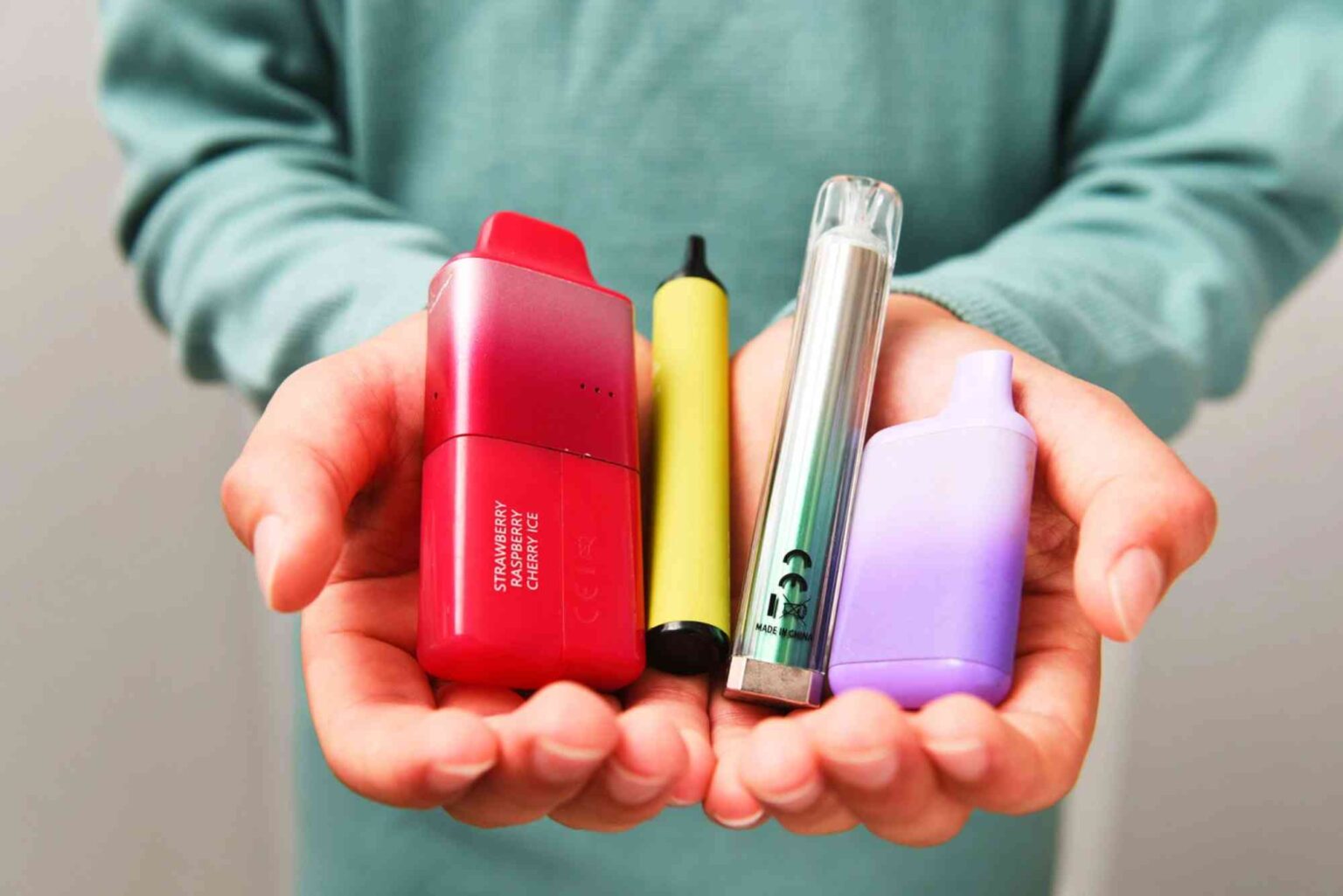
This is especially important with disposables because they are often sold as fast-moving convenience products. Bright packaging, high puff-count claims, rechargeable batteries, and familiar brand names can make a device look established. Those are product features, not regulatory credentials.
| Claim or signal | What it actually tells you | What it does not prove |
|---|---|---|
| Sold in a vape shop or convenience store | A retailer is offering it for sale | FDA marketing authorization |
| Adult-use nicotine labeling | The product is positioned as age-restricted | That the product has a marketing granted order |
| PMTA submitted or under review language | The brand may be referring to the FDA application process | That the FDA has authorized that exact product |
| FDA approved on packaging or ads | A claim that should be checked carefully | A reliable authorization unless verified against FDA records |
| Made in USA or imported | Country-of-origin information | Automatic compliance or noncompliance |
FDA approval vs authorization: the wording matters
In casual conversation, shoppers often say FDA approved vapes. In regulatory terms, the more precise phrase is FDA-authorized tobacco products or e-cigarette products with marketing granted orders. That distinction matters because FDA authorization is not a general endorsement of vaping, and it is not a blanket approval for a whole brand.
Authorization is product-specific. A company may have one product, flavor, device type, or nicotine strength authorized while another product from the same company is not. The practical mistake is checking only the brand name and stopping there. A disposable version, a new flavor, or a different device format can have a different status.
A simple way to think about it
- Brand name: Not enough. A familiar brand can sell multiple product lines.
- Device type: Disposable, pod, cartridge, and refillable systems are not interchangeable for authorization purposes.
- Flavor: Flavor can matter. Tobacco, menthol, fruit, mint, and other flavors may not share the same status.
- Exact product configuration: The device and consumable component need to match what was authorized.
News coverage also shows why shoppers should verify close to the time of purchase. A CBS News report described FDA authorization of fruit-flavored electronic cigarettes for adults as a notable policy shift. That source matters because it shows the authorized list can change; it does not mean every fruit-flavored disposable on a shelf is authorized.
How to verify before you buy
The cleanest buying habit is to verify status before treating a product as compliant. You do not need to become a regulatory specialist, but you do need to avoid vague shortcuts.
- Record the exact product name. Include the brand, model, flavor, nicotine strength if listed, and whether it is disposable, pod-based, cartridge-based, or refillable.
- Look for a marketing granted order, not just a submitted application. PMTA filed, pending, or registered language is not the same as authorization.
- Match the format. If the authorization is for a pod or cartridge product, do not assume a disposable device from the same brand is covered.
- Be skeptical of broad package claims. FDA approved printed on a label should prompt more checking, not less.
- Consider state and local rules. Retail restrictions can differ by location, especially for flavored nicotine products.
If a seller cannot provide the exact basis for an FDA-status claim, the conservative decision is to treat the product as not verified. That does not require you to make a health or legal conclusion about the device; it simply means the shelf claim has not done enough work.
What this means for popular disposable-style listings
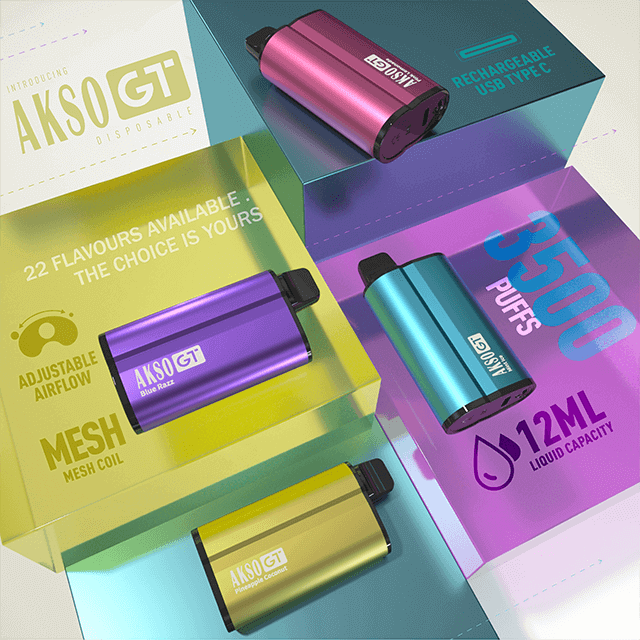
For adult nicotine users comparing disposable products, the key is to separate product features from authorization status. A device may have a large e-liquid capacity, a rechargeable Type-C battery, a display, or a high puff-count estimate. Those details help describe the device experience, but they do not answer the FDA-status question.
For example, our Geek Bar Pulse X listings describe adult-use disposable vape products with features such as dual mesh coil performance, a rechargeable Type-C battery, a full-color display, 18 mL e-liquid capacity, and up to 25,000 puffs in regular mode. Available options include flavors such as Blue Razz Ice, Miami Mint, Raspberry Peach Lime, and Watermelon Ice, along with multi-pack bundles such as the 3-pack bundle.
Those are product facts, not FDA-authorization claims. If your buying decision depends on FDA marketing authorization, verify that status separately before purchasing any disposable vape. The same rule applies across brands: features and flavor availability are not compliance proof.
Red flags that deserve a second look
Not every unclear claim is intentionally misleading, but certain wording should slow the purchase down. The goal is not panic; it is avoiding a bad assumption at the moment of checkout.
- FDA approved with no product-specific proof. This is the biggest wording problem because shoppers may read it as a safety or legality guarantee.
- PMTA language used as a sales badge. An application or review reference does not necessarily mean a marketing granted order exists.
- One brand claim applied to every SKU. Authorization is not automatically brand-wide.
- Flavor-first marketing with no compliance detail. Fruit, candy, ice, and mint-style names may be common on shelves, but flavor popularity does not establish status.
- Extremely vague manufacturer information. If you cannot identify who makes or distributes the product, verification becomes harder.
Country of origin can be part of your due diligence, but it should not be the whole decision. A USA-made product is not automatically authorized, and an imported product is not automatically unauthorized based only on origin. For a deeper breakdown of that issue, see our related guide: Disposable Vapes Made in USA vs Imported: What Actually Changes.
Disposable vapes raise a second issue: waste and batteries
FDA authorization is the main question here, but disposables also create a practical end-of-life concern. The Public Health Law Center analysis noted that the authorized e-cigarettes it reviewed were not disposable or single-use products, and it highlighted environmental concerns around discarded disposable vapes, including built-in lithium-ion batteries.
For shoppers, this does not prove one product is compliant or noncompliant. It does add another decision factor. A disposable device may be convenient, but the buyer should consider how the battery and device will be handled after use. Follow local disposal guidance for electronic devices and batteries rather than throwing used vapes into ordinary trash when local rules prohibit it.
A sensible checkout checklist
Before you buy a disposable vape because it looks legitimate, run through a short checklist. This is especially useful if you are buying online and cannot ask a retailer detailed questions in person.
- Am I an adult nicotine user legally permitted to purchase in my location?
- Do I know the exact brand, model, flavor, and device format?
- Am I relying on a real authorization match, or only on shelf availability?
- Does the page or package make an FDA claim that can be verified?
- Am I confusing product specs, such as puff count or battery type, with regulatory status?
- Have I considered local flavor restrictions, delivery rules, and age-verification requirements?
If several answers are unclear, pause before purchasing. The better decision is not always the most convenient one; it is the one based on the exact product rather than assumptions about the category.
FAQ
Are any disposable vapes FDA approved?
Using the more precise term, FDA-authorized, the strongest provided source says that as of the Public Health Law Center’s March 2024 review of 23 authorized e-cigarette products, none were disposable or single-use vapes. Because FDA authorizations can change, verify the current status of the exact product before buying.
Does FDA-authorized mean safe?
No tobacco or nicotine vape should be treated as risk-free. FDA marketing authorization is a regulatory status for marketing a specific product; it is not a general safety guarantee or a recommendation for non-users to start.
Is a vape legal if a store sells it?
Retail availability alone does not prove product-level FDA authorization. A store shelf tells you the product is being offered for sale, not that the exact device, flavor, and configuration has a marketing granted order.
What is the biggest mistake shoppers make?
The biggest mistake is checking only the brand or trusting a broad FDA approved claim. Authorization is specific. Match the exact product, not just the company name or device family.
Can a product be age-restricted but not FDA-authorized?
Yes. Age-restricted sales processes and FDA marketing authorization address different issues. Age verification controls who can purchase; authorization concerns whether a specific tobacco product may be marketed.
The bottom line for buyers
For disposable vapes, the safest buying assumption is not that shelf presence equals authorization. Treat FDA status as a separate verification step, especially with flavored disposables and high-puff rechargeable devices. If a product page gives you useful specs but no verified authorization match, read those specs as device information only. That small distinction can keep a routine purchase from resting on a misleading shortcut.
Related Guides in best vapes for beginners
These related guides connect this article to the site's broader topic map.


