
Unlocking the Power of Pulse Mode: A Vaper's Guide
If your device offers both standard mode and Pulse Mode, the practical shortcut is this: use Pulse Mode when you want a steadier, more intense draw, but expect a tradeoff in heat, e-liquid use, and sometimes battery life. It is not automatically better for every puff-style vape or every e-liquid. The key is understanding how the power is delivered, whether your device is built for it, and when the stronger output stops being useful.
What Pulse Mode actually changes during a puff
In vaping, Pulse Mode is a power-delivery setting that sends energy to the coil in rapid intervals instead of simply holding one continuous output for the entire draw. The goal is to keep the coil performing consistently while you inhale, especially as the battery voltage changes or the puff gets longer.
In a standard wattage or standard output mode, the device usually applies a more continuous level of power to the atomizer coil. In Pulse Mode, the chipset or internal control system modulates that power in bursts. To the user, this often feels like a stronger, warmer, or more responsive draw rather than a noticeably “pulsing” sensation.
That distinction matters because Pulse Mode is not just a label for “more vapor.” It is a specific way of managing coil power. On some refillable devices, it may be part of an advanced chipset. On some puff-style disposable or rechargeable devices, it may be marketed as a higher-output setting that changes airflow, vapor density, or draw intensity.
Standard mode vs Pulse Mode: the real tradeoff
The biggest misunderstanding is assuming Pulse Mode is always the “upgrade” setting. It can improve the experience in the right scenario, but it is better understood as a performance mode with costs.
| Factor | Standard mode | Pulse Mode |
|---|---|---|
| Power delivery | More continuous or conservative output | Rapidly managed bursts of power during the puff |
| Flavor intensity | Usually smoother and more predictable | Often stronger, warmer, or more saturated |
| Vapor production | Moderate, depending on wattage and airflow | Can feel denser if the device is designed for it |
| Battery impact | Often more economical | May reduce runtime if it increases output |
| Heat | Lower risk of overheating during frequent use | More heat buildup is possible with repeated draws |
| Best use case | Everyday steady vaping | Short sessions where flavor intensity matters more than efficiency |
For a beginner, standard mode is usually easier to interpret because the behavior is predictable. Pulse Mode becomes useful once you can recognize when a vape is getting too warm, when flavor is fading, or when battery drain is happening faster than expected.
How Pulse Mode affects battery life
Battery life is where many explanations of Pulse Mode become too vague. The honest answer is that Pulse Mode can either manage energy more intelligently or consume more battery, depending on how the mode is implemented.
If Pulse Mode simply regulates output to keep the coil stable, it may help avoid inefficient power swings. But if it also raises the effective output, produces warmer vapor, or activates a performance setting, it can drain the battery faster than standard mode. On a puff-style device, a high-output mode may also reduce the number of usable puffs compared with the largest advertised count.
The main battery variables are:
- Puff length: Longer inhales keep the coil active for more time, which uses more energy in any mode.
- Output level: A stronger or warmer Pulse Mode usually draws more current from the battery.
- Coil resistance: Lower-resistance coils generally require more power to produce dense vapor.
- Usage pattern: Several back-to-back puffs create heat buildup and keep the battery under load.
- Battery size and condition: Smaller or aging batteries show the impact of high-output modes sooner.
A practical test is to compare your own usage over a normal day: use standard mode for one charging cycle, then Pulse Mode for another, keeping puff length and frequency as similar as possible. If the device needs charging noticeably sooner, the mode is costing runtime. If the difference is small but flavor is better, the tradeoff may be acceptable.
If you are trying to understand why puff counts and battery life do not always match marketing claims, our educational guide on high puff disposable vape battery and flavor tradeoffs explains why battery capacity, rechargeability, and draw style matter as much as the printed puff number.
Which devices are compatible with Pulse Mode?
Pulse Mode is not a universal feature across all vaping devices. Compatibility depends on whether the device has the hardware and firmware to control power in that way. A basic disposable, a simple pod, and an advanced mod may all look like they produce vapor, but they do not all manage power with the same level of control.
You are most likely to see Pulse Mode in three broad device categories:
- Advanced refillable devices: Some regulated mods or pod-mod systems include chipset-driven modes that adjust power delivery beyond basic wattage.
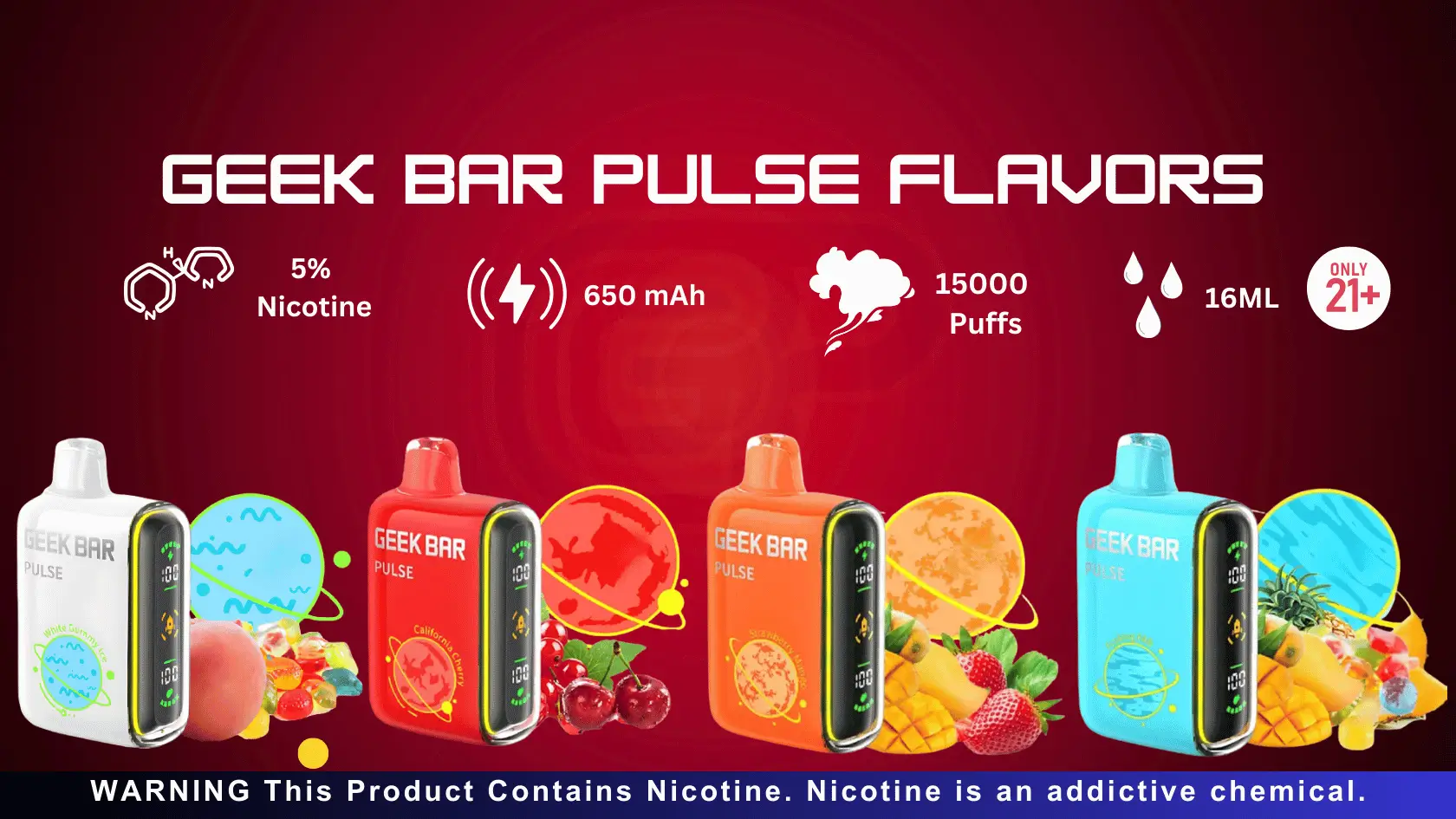
- Rechargeable puff-style devices: Some newer puffs include multiple output modes, often with a standard setting and a stronger pulse or boost-style setting.
- Closed systems with mode switching: A device may use lights, buttons, airflow sliders, or screen indicators to show that a different power profile is active.
The safer assumption is that a device is not Pulse Mode compatible unless the manual, packaging, or on-device menu clearly says so. You cannot add Pulse Mode to a device that lacks the internal electronics for it. Likewise, using a device at a higher wattage is not the same thing as true Pulse Mode, even if the draw feels stronger.
How to verify compatibility without guessing
- Check the manual or official instructions: Look for terms such as pulse, boost, performance mode, output mode, or chipset mode.
- Look for a mode indicator: Some devices show a symbol, color change, or screen label when Pulse Mode is active.
- Confirm the activation method: Mode switching may involve a button sequence, switch, or menu. Do not experiment randomly if you are unsure.
- Review coil or pod limits: If the device uses replaceable coils, make sure the coil is rated for the output range you plan to use.
If you are still learning the difference between device formats, this beginner-focused guide to choosing your first puff can help separate simple disposable formats from rechargeable or adjustable options before you worry about advanced modes.
Safety considerations before using Pulse Mode
Pulse Mode is not inherently unsafe when it is built into the device and used according to the manufacturer’s instructions. The risk comes from heat, incompatible settings, damaged batteries, poor ventilation, or using the mode in a way the device was not designed to support.
Before using Pulse Mode, check these safety points:
- Use only intended modes: Do not try to force a device into a behavior it does not officially support.
- Watch for excessive heat: A warm device can be normal; a hot mouthpiece, body, or cartridge is a warning to stop and let it cool.
- Avoid chain vaping: Repeated puffs in a high-output mode can overheat the coil and degrade flavor quickly.
- Respect coil limits: On refillable systems, an incompatible coil can burn, leak, or taste harsh when driven too hard.
- Use the correct charger: Rechargeable devices should be charged according to their instructions, especially if you use power-intensive modes.
- Stop if flavor changes sharply: A burnt, dry, or metallic taste can mean the wick is not keeping up or the coil is overheating.
Pulse Mode can also make nicotine delivery feel stronger because the vapor may be denser or warmer. That does not mean the e-liquid itself changed; it means each draw may feel more intense. If you feel lightheaded, irritated, or uncomfortable, switch back to a lower-output setting and reduce puff frequency.
For puff-style devices, another safety-related issue is expectation management. A device with a very high advertised puff count may still run through liquid or battery faster when used in a stronger mode. The guide on why a 10000 puff disposable vape may not last as long as expected is useful background on how puff length, power level, and battery behavior affect real-world use.

How Pulse Mode can enhance flavor and vapor
Flavor and vapor production improve when the coil reaches an effective temperature quickly and stays in a stable range during the draw. Pulse Mode can help by refreshing power delivery in rapid intervals, which may keep the coil from feeling weak halfway through a longer inhale.
The flavor effect is usually most noticeable in three situations. First, if standard mode feels muted after the first second of the puff, Pulse Mode may keep the vapor more saturated. Second, if battery voltage is dropping, a regulated pulse setting may maintain a more consistent feel. Third, if the device is designed with enhanced airflow for the stronger mode, vapor may feel fuller without requiring a longer draw.
There are limits. More heat can bring out flavor, but too much heat can flatten delicate flavors, create harshness, or dry the wick faster. Thick vapor is not automatically better if it comes with a burnt taste or rapid e-liquid consumption.
When Pulse Mode is worth trying
- You want a warmer, fuller puff for short sessions.
- Standard mode feels weak even with a charged battery.
- The device specifically includes a Pulse Mode setting and explains how to use it.
- You are willing to trade some battery efficiency for stronger vapor.
When standard mode may be the better choice
- You need the battery to last as long as possible.
- The device gets warm quickly.
- You prefer cooler, smoother vapor.
- You use high-strength nicotine and want less intensity per draw.
- You are unsure whether your coil, pod, or device supports the setting.
Common mistakes that make Pulse Mode disappointing
Most frustration with Pulse Mode comes from expecting it to solve the wrong problem. If a device tastes burnt, Pulse Mode may make the problem worse. If a battery is old or nearly empty, a performance mode cannot create unlimited power. If the e-liquid is low, stronger coil heating can accelerate dry hits.
Avoid these common mistakes:
- Using it continuously by default: Pulse Mode is often better treated as an option, not the only mode you use.
- Ignoring airflow: Restricted airflow with higher heat can make vapor harsh and raise coil temperature faster.
- Taking longer puffs to chase vapor: If Pulse Mode already increases intensity, longer draws may waste battery and liquid.
- Assuming all “pulse” labels mean the same thing: One device may use a true chipset mode; another may use the term for a higher-output setting.
- Overlooking the manual: Button combinations and mode indicators vary, and guessing can lead to accidental setting changes.
If you searched for “pulse modus puff” because your device has a mode label you do not fully understand, the most useful next step is not to copy someone else’s settings. Identify what your device means by that mode, then judge it by heat, battery drain, flavor, and comfort.
FAQ: quick answers before you switch modes
What is the difference between Pulse Mode and standard mode?
Standard mode generally provides a steadier, more conventional power output. Pulse Mode modulates power in rapid bursts or a managed pattern to keep the coil more responsive during vaping. In practice, Pulse Mode may feel warmer, stronger, and more flavorful, while standard mode often preserves battery life and smoothness better.
Can Pulse Mode be used with all e-liquids?
Not necessarily. The device matters first, but e-liquid behavior matters too. A liquid that tastes smooth in standard mode may feel harsher when heated more aggressively. If you use a refillable device, make sure the coil and wick can keep up with the output, and reduce intensity if flavor turns dry or burnt.
Is Pulse Mode safe for beginners?
It can be safe when the device is designed for it and the user follows the instructions, but beginners should start with standard mode first. Learn how the device normally feels, how warm it gets, and how long the battery lasts. Then try Pulse Mode in short sessions so you can recognize whether the stronger setting is improving the experience or simply adding heat and drain.
The practical takeaway
Pulse Mode is a useful vaping feature when you want a more consistent, fuller draw and your device is built to support it. The decision comes down to four checks: confirm compatibility, watch battery life, monitor heat, and judge whether flavor improves without harshness. If Pulse Mode shortens runtime too much or makes the device hot, standard mode is the smarter everyday setting.
Related Guides in best vape
You can refer to similar articles..
- Top Puff Brands of 2024: A Comprehensive Guide to Sustainable Vaping
- Top Rechargeable Puff Brands in Europe for 2025: A Comprehensive Guide
- Is a High Puff Disposable Vape Worth It? Costs, Battery, and Flavor
- Why a 10000 Puff Disposable Vape May Not Last as Long as Expected
- Before Buying a 20000 Puff Disposable Vape, Check These 7 Things
- Choosing the Best 20,000 Puff Vape: Features, Flavors, and More
- Choosing Your First Puff: A Beginner's Guide to Vaping
- JNR 16k Puff: Features, Comparisons, and Cost-Effectiveness
- Discover the JNR Mega Box 25K Puff: Features, Flavors, and More
- Maximize Home Lighting with LED Puff Lights: Benefits and Options
- Choosing the Right Puff Count: 10K, 20K, or 40K?
- Best Prices and Features for Puff 20,000 & 25,000 in France


