
No ID Vape France Online: How to Avoid Risky Checkout Shortcuts
If a French vape checkout asks only for an email, a card, and a delivery address, the speed can feel useful—but it is also the point to slow down. A no id vape France search usually means the buyer wants fewer forms, not extra risk. The safer question is not “can I bypass ID?” It is “does this seller handle age, payment, delivery, and product compliance clearly enough to trust?”
Why a no-ID checkout can be a warning sign
Age checks add friction. That is exactly why some shoppers try to avoid them. But in a regulated category, a seller that removes every verification step may also be removing other safeguards you cannot see: clear business identity, compliant labeling, traceable delivery, realistic returns, and payment accountability.
The practical decision rule is simple: convenience should not be the only proof of a good seller. A checkout that feels unusually quick is not automatically unsafe, but it deserves more scrutiny than one that explains its requirements clearly.
For France-based buyers, the risk is not just “will the order arrive?” It can also include whether the seller is operating within age-sale rules, whether the item is allowed for sale, whether the carrier can complete delivery, and whether you have any realistic support if the parcel is delayed, refused, or disputed.
The legal backdrop in France matters, even for online orders
Vaping is not treated like an ordinary lifestyle accessory. France has rules around sales, age access, public use, and product types. An overview from EDGE Vaping on vaping rules in France notes that France introduced age restrictions on vape-related sales in 2016. That matters because age verification is not just a retailer preference; it is part of how sellers reduce the risk of supplying restricted products to minors.
Recent French policy has also focused on disposable e-cigarettes. Le Monde reported in February 2025 that the French parliament voted to ban single-use electronic cigarettes as part of a wider anti-smoking campaign. For a buyer, the useful takeaway is not to memorize every legislative update from memory. It is to treat sellers who ignore current French restrictions as higher risk.
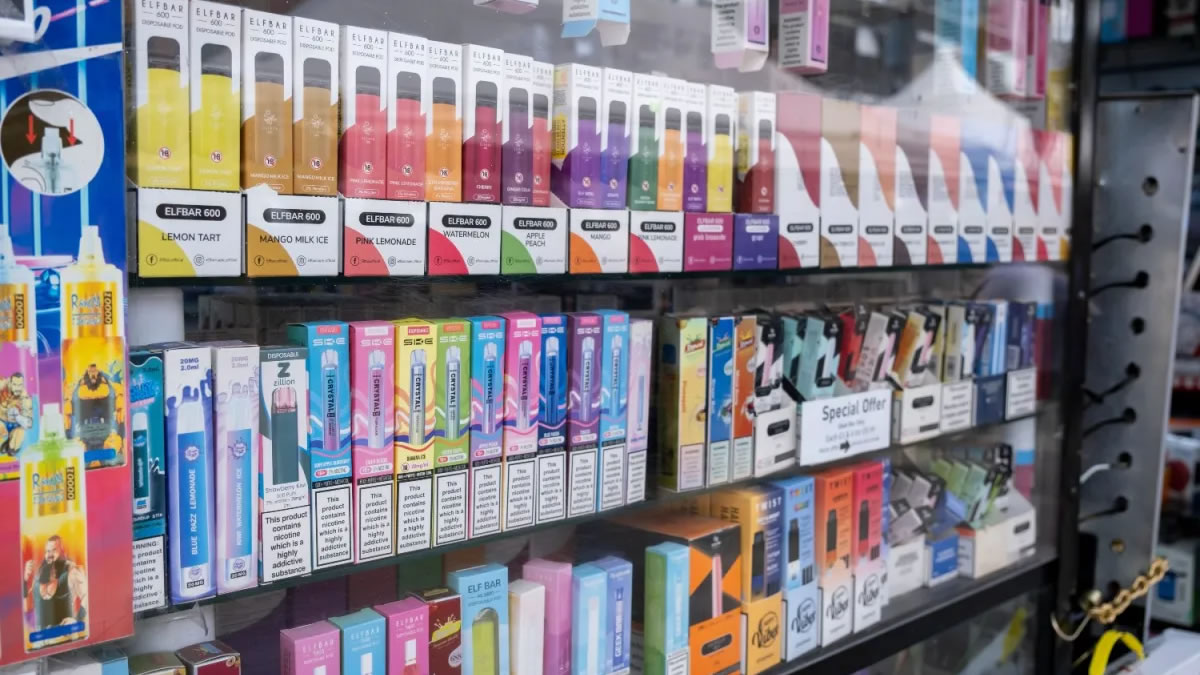
What can go wrong after an easy checkout
The appeal of no-ID ordering is immediate; the problems usually appear later. Here are the common risk areas to check before payment.
1. Delivery can fail at the handoff
A seller may accept payment without much screening, but the carrier or delivery process can still require age confirmation, signature, correct recipient details, or customs documentation. If the parcel is stopped, refused, or returned, the checkout shortcut has not helped you—it has just moved the friction to a point where you have less control.
Decision rule: If the delivery page does not explain who can receive the parcel, whether signature or age checks may apply, and what happens after a failed delivery attempt, pause before paying.
2. Payment disputes become harder when the seller is vague
A thin checkout page may also mean thin support. Look for a real company identity, contact route, refund terms, and delivery policy before entering payment details. A seller that hides basic business information is asking you to take on more risk than the checkout screen suggests.
Common mistake: Treating a successful card authorization as proof that the seller is legitimate. Payment acceptance only shows that a transaction was processed; it does not prove compliance, delivery reliability, or product authenticity.
3. Product information may be incomplete
For regulated nicotine products, the label and listing should not be vague. If a page avoids clear information about nicotine strength, manufacturer identity, warnings, or legal status, the buyer cannot make an informed decision. The problem is not only quality; it is traceability. If something is wrong, you need to know what you bought and who supplied it.
Checkout shortcut versus safer seller signals
No single detail proves that an online seller is trustworthy. The point is to look for a pattern. One missing item may be a design flaw; several missing items point to a risky ordering environment.
| What you see | Why it matters | Practical response |
|---|---|---|
| Only an “I am over 18” box | A checkbox alone may not show meaningful age-control effort. | Look for a clear explanation of age verification and delivery requirements. |
| No company address or legal notice | It can be difficult to identify who is responsible if something goes wrong. | Avoid paying until the seller’s identity and support route are clear. |
| Unclear product type or nicotine information | You cannot assess compliance or suitability without basic product details. | Do not rely on images or flavor names alone. |
| Delivery policy skips restrictions | Restrictions may still appear at carrier, border, or delivery stage. | Check failed-delivery, return, and refund terms before checkout. |
| Pressure language like “no checks ever” | Bypass messaging can signal weak compliance practices. | Treat this as a reason to slow down, not as a benefit. |
How to check a vape site without turning it into a research project
You do not need to read every policy page line by line. A five-minute check can filter out many questionable sellers.
- Find the age policy. It should be easy to locate and specific enough to explain how restricted sales are handled.
- Check the seller identity. Look for a business name, legal information, contact method, and country of operation.
- Read the delivery terms. Pay attention to failed delivery, signature, age checks, restricted locations, and return handling.
- Inspect product information. Listings should provide more than flavor names and promotional claims.
- Look for current France-specific awareness. A seller that ignores recent restrictions or speaks only in broad global terms may not be managing French compliance carefully.
The tradeoff is clear: a compliant seller may ask for more information up front. That can feel inconvenient, but it is usually better than discovering restrictions after payment.
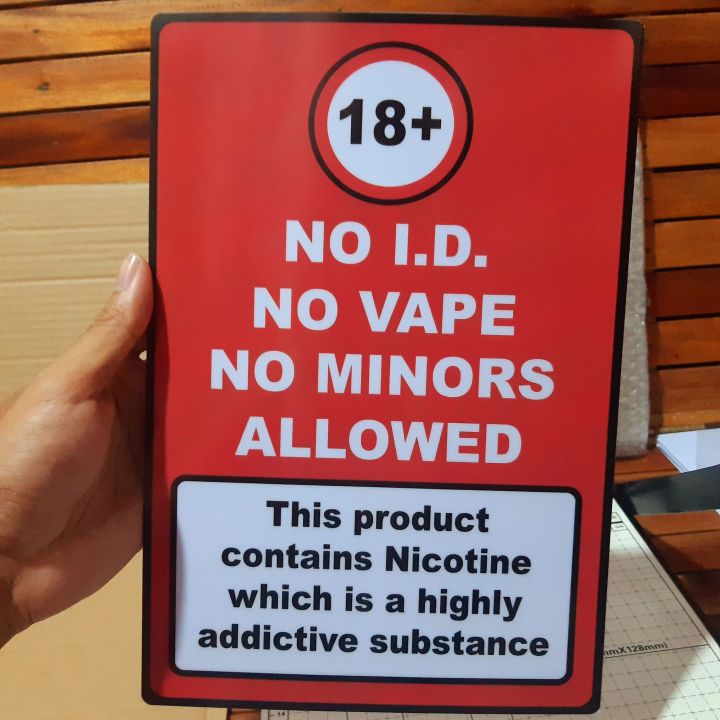
Privacy concerns are real, but bypassing ID is not the only answer
Many adults dislike uploading documents online. That concern is reasonable. The answer, however, is not to search only for sellers that ask for nothing. It is to ask how a seller handles verification and data.
Before submitting any personal information, check whether the site explains why it collects data, how it uses verification, and how customer support can be contacted. If a site asks for sensitive information without explaining its process, that is also a reason to pause.
Useful distinction: privacy-conscious verification is different from no verification. A seller can reduce friction while still taking restricted-product rules seriously. A seller that markets itself mainly around skipping checks may be prioritizing conversion over accountability.
France-based buyers should be especially careful with cross-border claims
Some online sellers serve multiple countries from one website. That does not automatically make them unsuitable, but it creates extra questions. Product rules, delivery rules, and age-sale expectations can differ by country. A page written for a general international audience may not reflect what applies in France.
If a seller claims fast Europe-wide shipping but does not explain country restrictions, ask a practical question: what happens if the order is blocked, returned, or refused? A trustworthy policy should not leave that answer hidden until after checkout.
For more on how shipping promises can hide later complications, see the related guide on no-ID vape shipping risks in Austria. The country is different, but the post-checkout problem is similar: friction often appears after payment, not before it.
Red flags that should stop the order
Use this as a quick filter. One red flag may deserve a closer look; several should be enough to walk away.
- The site promotes “no ID” as the main reason to buy.
- There is no clear age policy for restricted products.
- Product listings avoid basic nicotine, warning, or manufacturer information.
- The seller does not show a credible business identity or contact route.
- Delivery terms do not explain failed delivery, returns, or country restrictions.
- The site makes broad promises that sound difficult to honor, such as universal delivery with no checks.
- Recent France-specific rule changes are not acknowledged where relevant.
A safer decision is not always the fastest one. If the site cannot answer basic compliance and delivery questions before payment, it is unlikely to answer them better after a problem appears.
What to do instead of chasing the fastest checkout
The better approach is to separate convenience from risk. A smooth checkout is fine when it sits on top of clear policies. It becomes a problem when speed is used to distract from missing information.
Before ordering any vape-related item online in France, use three filters:
- Legality: Is the product type and sale route clearly addressed for France?
- Accountability: Can you identify the seller and understand the support process?
- Delivery reality: Do the shipping terms explain restrictions, age checks, and failed delivery outcomes?
If the answer to any of these is unclear, do not treat the absence of an ID request as a convenience win. Treat it as a gap to resolve before entering payment details.
Short FAQ
Is it legal to buy vapes online in France without ID?
The key issue is not the search phrase itself; it is whether the sale complies with current French rules, including age restrictions and product-specific limits. A seller that avoids meaningful age controls may create compliance risk. Check current rules before ordering.
Does a no-ID checkout mean the parcel will arrive more easily?
No. A checkout can be quick while delivery remains restricted. Carriers, return processes, border handling, or local rules can still create problems after payment.
Why do some vape sites advertise no verification?
Some use it as a convenience message because fewer steps can increase completed orders. For buyers, that same shortcut can reduce visibility into age controls, seller accountability, and delivery handling.
What is the safest first check before paying?
Look for the seller’s age policy, delivery restrictions, legal identity, and product information. If those four areas are vague, the low-friction checkout is not enough reason to proceed.
Are no-ID concerns the same across Europe?
The pattern is similar, but the rules are country-specific. If you are comparing nearby markets, the guides on no-ID vape searches in Belgium, age checks for online vape orders in the Netherlands, and no-ID vape risks in Germany explain related issues without assuming the same rulebook applies everywhere.
A simple rule before you click pay
If a vape site serving France makes checkout feel effortless but cannot clearly explain age handling, seller identity, delivery restrictions, and product details, the convenience is doing too much work. Slow down, verify the basics, and treat missing information as a buyer risk—not as a feature.
Related Guides in best vape
These related guides connect this article to the site's broader topic map.
- No ID Vape Belgium vs Verified Sellers: Which Is Safer to Use?
- No ID Vape Austria Shipping: What Can Go Wrong After Checkout
- No ID Vape Netherlands Rules: Why Age Checks Still Matter Online
- No ID Vape in Germany: 7 Risks Hidden Behind Easy Checkout Claims
- Was Ist Eine Vape and What Should You Check Before Buying One?
- Blueberry Ice Vape vs Plain Blueberry: Which Flavor Fits You?
- Bulk Disposable Vape Costs: What Changes the Real Unit Price
- How to Buy Vape Wholesale With Better Margins and Fewer Stockouts
- Disposable Vape Wholesale Mistakes That Can Shrink Your Margins
- Europe Fast Shipping Vape vs Local Stock: Which Saves More Time?
- Is a High Puff Disposable Vape Worth It? Costs, Battery, and Flavor
- Long Lasting Disposable Vape for Heavy Users: What Matters Most


