
How Disposable Vapes Can Help You Quit Smoking
If you want to stop smoking but the jump to “nothing at all” feels unrealistic, a disposable vape may work as a short-term bridge: it can replace some cigarette moments while keeping nicotine available. The key is to use it deliberately, not as an extra habit. That means setting cigarette-reduction rules, understanding the health risks of disposable vapes, and having a plan to lower nicotine exposure rather than simply switching products.
What disposable vapes can and cannot do in a quit attempt
A disposable vape is often appealing to smokers because it removes several barriers at once: no lighter, no tobacco smell, no ash, and no setup. For someone who usually smokes during breaks, after meals, or with coffee, the familiar hand-to-mouth action can make the transition feel less abrupt than patches or gum alone.
That does not make disposable vaping harmless or automatically effective for smoking cessation. It is better understood as a harm-reduction tool some adult smokers use to reduce smoking, especially when they struggle with cold-turkey quitting. The goal should be fewer cigarettes first, then less nicotine dependency over time.
This is where many quit attempts go wrong: the smoker keeps all their usual cigarettes and adds vaping between them. That may increase total nicotine intake and strengthen the habit loop. If you are searching for einweg vape zum zigaretten reduzieren, the practical question is not “Can it replace a cigarette?” but “Which cigarettes will it replace, by when, and how will I avoid using both all day?”
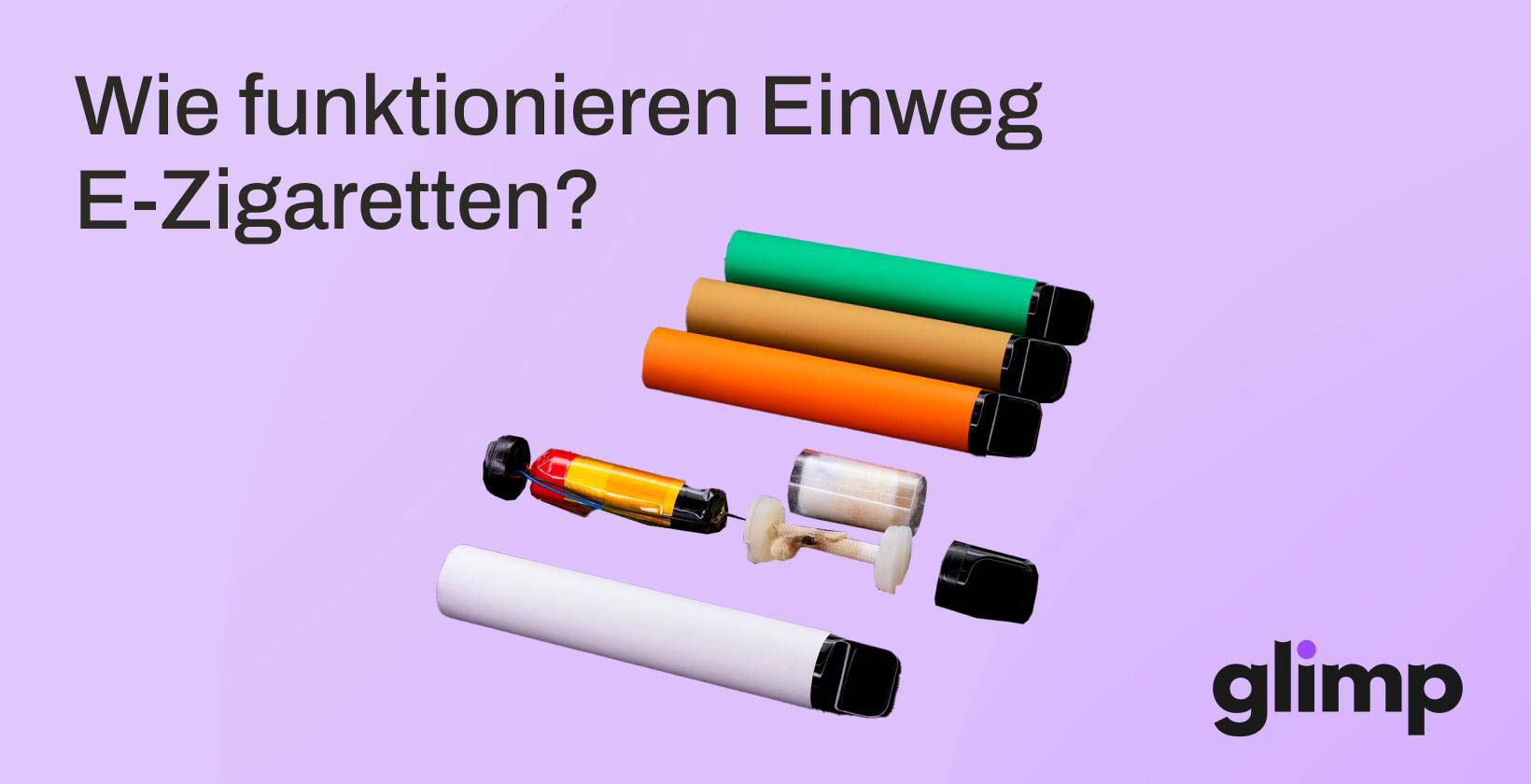
The main benefits compared with traditional cigarettes
The clearest practical advantage over traditional cigarettes is that vaping does not involve burning tobacco. Cigarette smoke comes from combustion, which creates smoke, tar, ash, and strong lingering odor. Disposable vapes produce an aerosol instead of tobacco smoke, which changes the exposure profile and the daily experience.
For smokers trying to reduce cigarette consumption, the advantages are less about lifestyle convenience and more about behavior change:
- Trigger substitution: A vape can replace specific cigarettes tied to routines, such as the first break at work or the walk to the car.
- Less social friction: No ash and less persistent smell may reduce the feeling that a “real smoke break” is the only option.
- Flavor variety: Some smokers find non-tobacco flavors help break the taste association with cigarettes. Others find sweet flavors make vaping too easy to overuse, so this is a double-edged advantage.
- No maintenance learning curve: Disposables remove refilling, coil changes, and charging decisions in many cases, which can make the first switch less intimidating.
These benefits do not prove that disposable vapes are safe. They explain why some smokers find them easier to adopt than more complex vaping devices or non-inhaled nicotine options. For a broader look at the tradeoff between smoking and vaping, this educational guide on vape versus cigarettes explains why the comparison is not as simple as declaring one option harmless.
Health risks and safety concerns you should not ignore
Disposable vapes carry health risks, especially for people who do not already smoke. They usually contain nicotine or are used in a way that reinforces nicotine behavior. Nicotine is addictive, can make quitting harder when intake rises, and is not appropriate for minors, pregnant people, or people with certain medical concerns without professional advice.
The aerosol from a vape is also not just “water vapor.” Depending on the device, liquid, heating element, and use conditions, vape smoke or aerosol may contain substances that are not desirable to inhale. A BR24 report on research into disposable vapes highlighted concerns about harmful metals in emissions, a reminder that device construction and heating can matter for safety, not only the liquid ingredients.
There are several practical safety points adult smokers should consider before using a disposable vape as a transition tool:
- Avoid overheated or damaged devices: A burnt taste, unusual heat, leaking liquid, or a device that behaves irregularly is a reason to stop using it.
- Do not chase stronger effects: Taking frequent deep puffs to replicate cigarette intensity can raise irritation and nicotine intake.
- Watch for side effects: Headache, nausea, dizziness, throat irritation, racing heart, or sleep disruption may signal too much nicotine or poor fit.
- Keep devices away from children and pets: Nicotine liquid and lithium batteries require careful handling even when the device is “disposable.”
- Verify local rules and labeling: Nicotine limits, age rules, packaging requirements, and disposal rules vary by country and region.
The most honest safety answer is this: for a non-smoker, starting disposable vaping creates avoidable risk. For an adult smoker who cannot quit, replacing some or all cigarettes may reduce exposure to smoke from burning tobacco, but it does not remove risk. If you have lung disease, heart disease, pregnancy-related concerns, or repeated failed quit attempts, involve a healthcare professional rather than relying on trial and error.
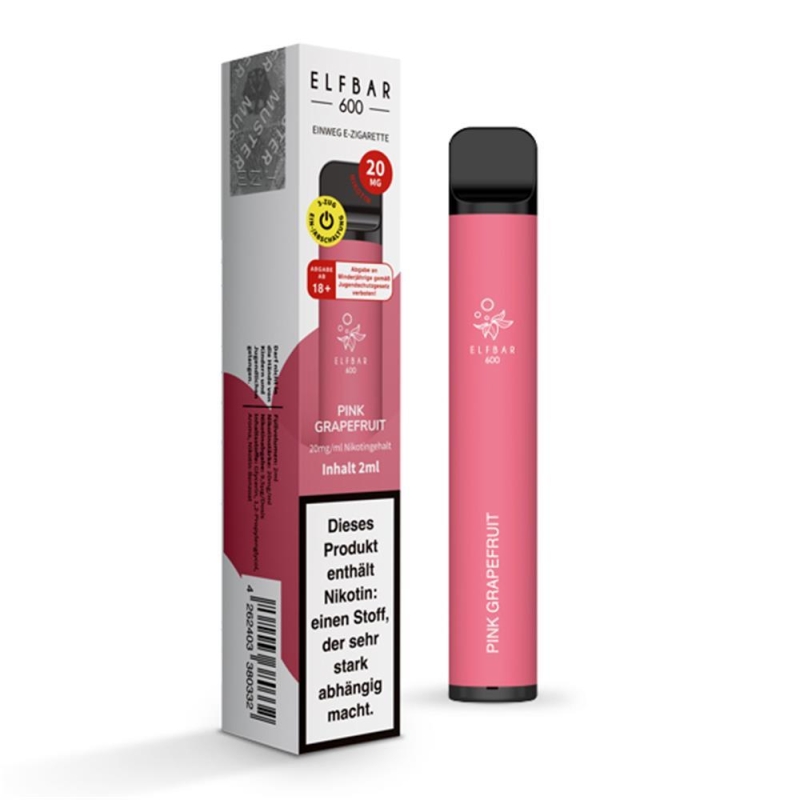
A practical transition plan: use the vape to remove cigarettes, not add nicotine
The strongest use case for a disposable vape is structured substitution. You need a baseline, rules, and a taper. Without those, it is easy to drift into dual use, where cigarettes remain and vaping fills every gap between them.
- Count your normal cigarettes for three days. Do not guess. Write down each cigarette, the time, and the trigger: stress, meal, commute, alcohol, boredom, or social smoking.
- Choose the easiest cigarettes to replace first. Many people start with routine cigarettes that are not tied to intense cravings, such as the mid-morning or mid-afternoon smoke. Do not begin with the hardest cigarette of the day unless you are prepared for stronger withdrawal.
- Create a substitution rule. For example: “At work, I vape only during the two breaks where I previously smoked, and I do not smoke during those breaks.” The rule matters more than the device.
- Set a weekly cigarette cap. If you smoke 15 per day, a first target might be 10 or 12, depending on your dependence level. The point is measurable reduction, not a vague hope to smoke less.
- Separate vaping from unlimited access. Do not keep the device in your hand all evening. Store it between planned use moments so it does not become constant grazing.
- Review after one week. If cigarette use dropped and cravings are manageable, reduce the cap again. If cigarettes stayed the same, identify which trigger defeated the plan and adjust that situation specifically.
- Plan the nicotine reduction step. Once cigarettes are reduced or stopped, decide how you will reduce vaping frequency, nicotine strength where applicable, or move to a non-inhaled cessation method with professional support.
The transition works best when you treat the vape as a scheduled replacement, not a comfort object. If you are still smoking the same number of cigarettes after two weeks, the device is not serving the quit goal; the plan needs revision.
How effective are disposables for reducing nicotine dependency?
Disposable vapes may help reduce cigarette consumption, but reducing nicotine dependency is a separate challenge. A smoker can cut cigarettes dramatically and still remain highly nicotine-dependent if they vape frequently or use high-nicotine products throughout the day.
Effectiveness depends on three factors: whether cigarettes actually decrease, whether total nicotine use decreases over time, and whether the person can eventually reduce reliance on the vape. The first is easiest to measure. The second and third require more discipline.
| Goal | Useful sign | Warning sign |
|---|---|---|
| Reduce smoking | You replace specific cigarettes and the daily cigarette count falls. | You vape between cigarettes but smoke the same amount. |
| Lower nicotine dependency | You use the vape less often over time or move to lower nicotine where available. | You reach for the vape more frequently than you ever smoked. |
| Move toward quitting | You set a date or milestone for reducing vaping too. | The vape becomes a permanent, unlimited substitute with no review point. |
One limitation of disposable vapes is that they may offer less flexibility than refillable systems or medically approved nicotine replacement therapies. Some disposables come in fixed strengths, and the convenience that helps you switch can also make it easier to overuse. If nicotine reduction is your main goal, build in tracking from the start: number of cigarettes, number of vape sessions, cravings, and any side effects.
Common mistakes that keep smokers stuck in dual use
The biggest mistake is assuming any cigarette replaced “sometimes” counts as progress. Progress is measurable. If you used to smoke 20 cigarettes and now smoke 18 while vaping heavily, the health and dependency tradeoff may not be moving in the direction you intended.
Other common traps include:
- Using flavor as the whole strategy: A pleasant flavor can make switching easier, but it does not create a quitting plan.
- Keeping cigarettes everywhere: If packs remain in your car, bag, kitchen, and jacket, your environment still supports smoking.
- Vaping indoors without limits: This can turn nicotine use from a break-time behavior into an all-day behavior.
- Ignoring the first cigarette of the day: If you wake up craving nicotine immediately, dependence may be stronger than a simple substitution plan can address alone.
- Not reviewing costs and habits: A disposable format can feel simple per purchase but may become expensive or wasteful with frequent use. For a budgeting angle, see this guide on what a vape can cost over time.
If you notice these patterns, do not frame it as failure. Treat it as data. The plan may need firmer cigarette caps, fewer vaping windows, or support from a cessation service.
Environmental impact: the hidden cost of convenience
Disposable vapes raise environmental concerns because they combine plastic, electronics, a battery, and residual liquid in a product designed for limited use. Throwing them into household waste can create avoidable waste and potential battery-related problems. The environmental impact is one reason some smokers decide that disposables should be a temporary bridge rather than a long-term routine.
Responsible handling means checking local recycling or e-waste rules and using designated collection points where available. Do not open, crush, burn, or casually discard devices. If you are using disposables to reduce smoking, include disposal in the plan: where will used devices go, how often will you return them, and how will you avoid building up a drawer of dead batteries?
Sustainability does not cancel the smoking-reduction goal, but it should shape how long you rely on a disposable format. The more frequently you use them, the more important waste and recycling become.
What real-world success usually looks like
It is tempting to look for dramatic success stories: a smoker tries a vape once and never wants a cigarette again. That can happen, but it is not a reliable plan. More realistic progress is usually quieter and more structured.
A workable pattern might look like this: first, the smoker identifies the five cigarettes that are mostly routine rather than intense craving. Those are replaced with planned vape sessions. Next, the person removes cigarettes from the places where automatic smoking happens, such as the car or balcony. After the cigarette count falls, the focus shifts from “not smoking” to “not vaping constantly.”
The success metric is not whether the first week feels effortless. It is whether cigarette use drops, cravings remain manageable, and nicotine use becomes more controlled rather than more automatic. If a disposable vape helps you create that pattern, it can be useful. If it makes nicotine easier to use all day, it may be working against the larger goal.
FAQ: practical concerns before you start
Are disposable vapes safer than traditional cigarettes?
They avoid tobacco combustion, which is a meaningful difference from traditional cigarettes. However, disposable vapes are not risk-free. They may contain nicotine, can sustain addiction, and aerosol safety depends on factors such as device quality, heating, and possible contaminants, including concerns raised in reporting about harmful metals. The safer choice for non-smokers is not to start; adult smokers should view vaping as a risk-reduction step, not a harmless habit.
How do I start using one to quit smoking?
Start with a cigarette-reduction plan, not with the device itself. Track your usual smoking, choose specific cigarettes to replace, set a daily cap, and review after one week. If you do not reduce the cigarette count, change the plan before you continue. If you have strong dependence or health concerns, combine behavioral support or medical advice with any nicotine strategy.
What should I consider when choosing a disposable vape?
For an informational quit plan, focus on safety and control rather than brand appeal. Check legal labeling, nicotine information, age restrictions, device condition, and disposal instructions. Avoid damaged or unregulated-looking devices, and do not choose a format that encourages constant use. The right question is whether it helps you smoke fewer cigarettes and eventually reduce nicotine, not whether it is the most convenient to use nonstop.
The practical takeaway
A disposable vape can help some adult smokers reduce cigarettes when it is used as a planned substitute for specific smoking moments. It is not a cure for nicotine addiction, and it brings its own health, safety, and environmental concerns. If you try this route, track your cigarette count, limit vaping windows, watch for side effects, recycle responsibly, and set a next step for reducing nicotine rather than letting dual use become the new normal.
Related Guides in best vape
You can refer to similar articles..
- Discover the Features and Flavors of Adalya Einweg Vape
- Vape oder Zigaretten: 5 Misconceptions That Can Skew Your Choice
- Wie lange braucht eine Vape zum Laden? The Real Timing Buyers Need
- Was Ist Schlimmer, Zigaretten oder Vape? The Simple Tradeoff Map
- Zigaretten oder Vape: The Harm-Reduction Claim Worth Checking First
- Was Kostet Eine Vape Monthly? The Hidden Refills Buyers Forget
- Wie teuer ist eine Vape? 5 Price Traps New Buyers Miss
- Wie Viel Kostet Eine Vape for Beginners? Starter Kits vs Disposables
- How Many Cigarettes Is a Vape Really? Nicotine vs Puff Count Explained
- Blueberry Ice Vape vs Plain Blueberry: Which Flavor Fits You?
- Bulk Disposable Vape Costs: What Changes the Real Unit Price
- How to Buy Vape Wholesale With Better Margins and Fewer Stockouts


