
No ID Vape Poland Shops: Safer Buying Signals to Look For
Quick answer: A “no ID” promise should make an adult shopper slow down, not rush through checkout. In Poland, vape sellers operate in a regulated category, and credible shops usually make age, product, payment, delivery, and returns information easy to check. If a seller hides those basics while advertising frictionless access, treat convenience as a risk signal rather than a benefit.
Why “no ID” is a weak buying signal
Searches for no id vape Poland usually point to a practical concern: people want less hassle, fewer document uploads, and a faster order. That is understandable. But “easy checkout” and “trustworthy seller” are not the same thing.
Age verification is not just an administrative nuisance in this category. Poland applies an 18+ age limit to tobacco and nicotine products, and consumer-facing guidance notes that shops can ask for ID, including a passport, national ID card, or the mDowód digital ID in the mObywatel app. The reason this matters for buyers is simple: a seller willing to ignore visible compliance basics may also be careless about product information, delivery handling, returns, or customer support. For a practical legal summary, see Poland.gg’s guide to smoking and vaping rules in Poland.
The decision rule: do not judge a shop by how little it asks from you. Judge it by how clearly it explains what it sells, who may buy, how orders are handled, and what happens if something goes wrong.
The safer-seller checklist before you consider checkout
No checklist can prove that a seller is compliant or safe. It can, however, help you filter out shops that are hard to verify. The more regulated the product category, the less tolerance you should have for missing basics.
1. Clear age-gating and adult-use language
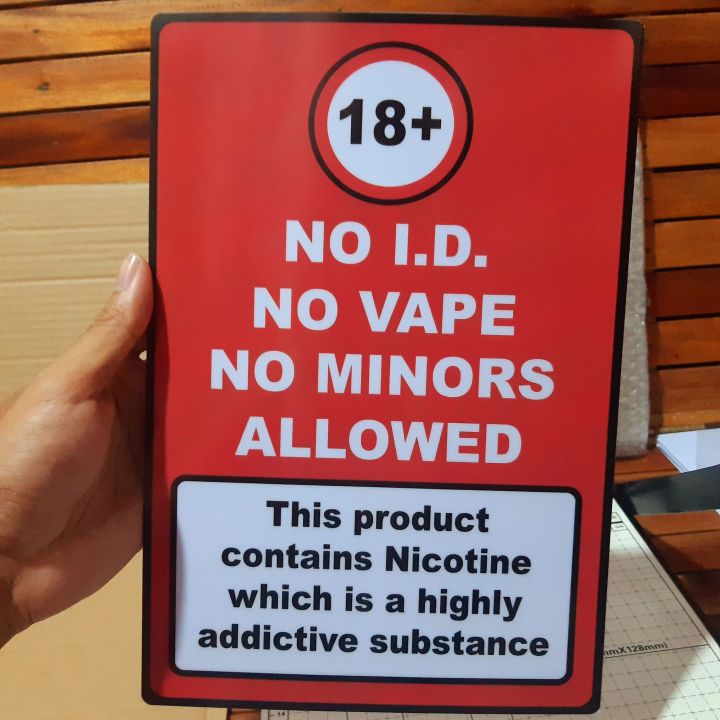
A credible vape shop should make adult-only access clear before a buyer reaches payment. This might include an age gate, ID request, delivery-age check, or plain language explaining age restrictions. A site that markets “no ID” as the main advantage is asking you to trust a shortcut instead of a process.
Practical example: a checkout that only asks for an email, card, and delivery address may feel convenient. But if the same site has no visible age policy, no responsible-use wording, and no explanation of verification, that is a reason to pause.
2. Product information that matches regulated-category expectations
Vapes and e-liquids in Poland are not ordinary convenience goods. The Global State of Tobacco Harm Reduction country profile for Poland notes that e-cigarettes are legal but regulated, with restrictions including a prohibition on sales to under-18s, product notification requirements, child-resistant packaging, health warnings, a nicotine concentration limit of 20 mg/mL, and tank size limits. This source matters because it summarizes country-level regulation rather than relying on seller marketing.
For a buyer, the useful question is not “does the product look popular?” It is “does the seller provide enough information to evaluate whether the listing belongs in a regulated market?” Missing nicotine strength, unclear packaging details, vague product descriptions, or exaggerated health language are all reasons to be cautious.
3. Full business identity and contact details
A seller should not be a mystery. Look for a legal business name, contact email, physical or registered address where appropriate, customer-service route, and terms that identify who is responsible for the sale. A social-media-only storefront or a checkout page with no company information leaves you with very little leverage if an order fails.
Decision rule: if you cannot tell who is taking your money before you pay, do not assume you will be able to resolve a problem after you pay.
4. Returns, cancellations, and delivery terms written in plain language
Risk often appears after payment. A shop may accept an order quickly, then give vague tracking, reject cancellation requests, or provide no useful support. Before checkout, read the delivery and returns pages as if you already have a problem.
- Does the seller explain when an order is considered dispatched?
- Are failed deliveries, refused parcels, or address errors covered?
- Is there a clear refund process?
- Are customer-service response channels named?
- Does the policy match the country you are ordering from, rather than using generic global wording?
The tradeoff is straightforward: a seller with stricter checks may feel slower, but a seller with no visible policy can become much slower if anything goes wrong.
5. Secure payment and no pressure tactics
A legitimate checkout should use normal secure payment practices and should not pressure buyers into unusual transfers, private messages, or off-platform payment. Be wary of sellers that combine “no ID” claims with urgency language, disappearing discounts, or instructions to avoid normal checkout routes.
Common mistake: treating a low-friction payment path as proof the seller is customer-friendly. In regulated categories, too little friction can also mean too little accountability.
Easy checkout versus trustworthy checkout
The strongest signal is not the presence of one specific verification method. It is consistency. A trustworthy shop tends to be consistent across the whole experience: adult-use framing, product details, policy pages, delivery terms, and support information all point in the same direction.
| What you see | Why it matters | How to read it |
|---|---|---|
| Age checks or adult-only notices | Vape sales are age-restricted in Poland | Friction here may be a normal compliance signal, not a problem |
| Detailed nicotine strength and warning information | Regulated products need clear consumer information | Missing basics should lower your trust |
| Named business and support channels | You need a responsible party if the order fails | A faceless shop increases post-payment risk |
| Clear delivery and returns terms | Most buyer problems happen after checkout | Read policies before paying, not after |
| “No ID” used as the main selling point | It shifts attention from compliance to convenience | Treat it as a prompt for extra scrutiny |
This is not about assuming every light-touch checkout is fraudulent. It is about avoiding the opposite mistake: assuming that a checkout with fewer questions is automatically better.
Red flags that deserve a hard stop
Some signals are weak on their own but serious in combination. A missing return policy may be an oversight. A missing return policy plus no company details plus a “no ID” headline plus off-platform payment instructions is a pattern.
- No visible age policy: especially concerning for an adult-only regulated category.
- Unclear product descriptions: no nicotine strength, no warning information, or vague origin claims.
- Health or safety promises: avoid sellers making unsupported claims that a vape product is harmless, risk-free, or medically beneficial.
- No business identity: a brand name alone is not the same as accountable seller information.
- Pressure to pay outside normal channels: private transfers and chat-based payment requests reduce buyer protection.
- Copy-pasted policy pages: terms that mention another country, another product category, or no vape-specific restrictions can indicate poor operational control.
- Too-good-to-check pricing: unusually cheap offers are not proof of a problem, but they should make you inspect the seller more carefully.
The practical rule: if you need to ignore several warning signs to justify the order, the convenience is doing too much of the work.
What Poland-specific rules mean for buyer evaluation
This article is not legal advice, and online rules can change. Still, a few Poland-specific points are useful when judging seller behavior. Current public summaries describe an 18+ age limit for vaping and nicotine products, restrictions on use in certain public places, and product controls such as nicotine strength limits and packaging requirements. GSTHR also notes that e-cigarettes can be purchased online in Poland, while vending-machine sales are not permitted.
Why this matters: if online sales exist within a regulated framework, “online” should not mean “anything goes.” A seller that treats remote checkout as a way to avoid all age and product checks is not giving you a reassuring signal.
For adult buyers, the balanced approach is to expect some friction. You may not like uploading documents or dealing with delivery checks, but a complete absence of verification can create a different set of problems: uncertainty about compliance, weaker accountability, and less confidence in the seller’s operating standards.
How to inspect a shop in five minutes
If you are comparing unfamiliar sellers, use a quick pre-check before you add anything to a basket. This keeps the decision practical rather than emotional.
- Find the age policy first. If it is hidden or absent, do not let a fast checkout distract you.
- Check product listing detail. Look for nicotine strength, warnings, packaging information, and clear descriptions.
- Open the terms, delivery, and returns pages. If they are vague, outdated, or copied from another market, treat that as a risk.
- Confirm the seller identity. Look for a named company, contact route, and accountable business information.
- Review payment behavior. Avoid sellers pushing unusual payment methods, private-message ordering, or rushed decisions.
A useful objection is: “What if I only care about privacy?” Privacy matters, but privacy is not the same as anonymity from every compliance step. A better privacy signal is a clear data-handling approach and a professional checkout, not a seller that appears to skip regulated-category controls entirely.
Questions adult buyers often ask
Is a “no ID” vape shop in Poland automatically illegal?
Do not assume legal status from one phrase alone. The safer way to think about it is operational risk: if a seller appears to avoid age checks and gives little business or product information, that is a weak trust signal. For legal questions about a specific purchase, use official or qualified local guidance.
Can Polish vape shops ask for ID?
Public guidance says shops can ask for ID, and common accepted forms may include a passport, national ID card, or Poland’s mDowód digital ID. For buyers, an ID request should not automatically be treated as suspicious; in this category, it may be part of normal age-restricted selling.
What is the most important thing to check before paying?
Check whether the seller is accountable. That means a visible business identity, clear support route, adult-only policy, product details, and written delivery and returns terms. If those are missing, a smooth payment page does not solve the bigger problem.
Are nicotine-free vapes treated differently for age checks?
Do not assume nicotine-free means unrestricted. Poland-focused public guidance describes the 18+ rule as applying broadly across e-cigarette products, including nicotine-free ones. Check current local rules before relying on a seller’s wording.
Should I trust reviews?
Reviews can help identify patterns, such as repeated delivery complaints or poor support, but they should not replace basic seller checks. A shop with positive comments but no age policy, no product detail, and no business identity still deserves caution.
Related reading on no-ID checkout risks
If you are researching how these issues show up in other European markets, these educational guides cover similar buyer concerns from different angles:
A practical way to lower risk
The safest habit is not chasing the checkout that asks for the least. It is choosing only sellers that are easy to evaluate before payment. For an adult buyer, that means accepting some compliance friction, reading the boring policy pages, and walking away when a shop cannot explain who it is, what it sells, and how it handles problems.
A “no ID” claim may look like convenience. In a regulated category, it is better treated as a question: what else has this seller decided not to check?
Related Guides in best vape
These related guides connect this article to the site's broader topic map.
- No ID Vape Belgium vs Verified Sellers: Which Is Safer to Use?
- No ID Vape Austria Shipping: What Can Go Wrong After Checkout
- No ID Vape France Online: How to Avoid Risky Checkout Shortcuts
- No ID Vape Italy Deals: When Cheap Checkout Becomes Expensive
- No ID Vape Netherlands Rules: Why Age Checks Still Matter Online
- No ID Vape in Germany: 7 Risks Hidden Behind Easy Checkout Claims
- No ID Vape Spain for Tourists: What to Know Before Ordering
- Was Ist Eine Vape and What Should You Check Before Buying One?
- Blueberry Ice Vape vs Plain Blueberry: Which Flavor Fits You?
- Bulk Disposable Vape Costs: What Changes the Real Unit Price
- How to Buy Vape Wholesale With Better Margins and Fewer Stockouts
- Disposable Vape Wholesale Mistakes That Can Shrink Your Margins


