
Effective Strategies to Quit Smoking with Nicotine Replacement
If you are trying to stop smoking but worry that cravings will flatten your resolve by day two, nicotine replacement can make the first weeks more manageable. The useful question is not simply “which nicotine product is strongest?” but “which form matches my smoking pattern, triggers, and need for control?” This guide explains how to choose between patches, gum, lozenges, inhalers, and sprays, and how to pair nicotine replacement with habits that reduce relapse risk.
How nicotine replacement helps without replacing the whole habit
Nicotine replacement therapy, often shortened to NRT, gives the body nicotine without tobacco smoke. That matters because many withdrawal symptoms come from the sudden drop in nicotine, while many smoking-related harms are linked to burning tobacco and inhaling smoke. NRT is not the same as continuing to smoke; it is a structured way to separate nicotine dependence from the cigarette ritual.
For many people searching for mit nikotin rauchen aufhören, the concern is understandable: “Am I really quitting if I still use nicotine?” In practical terms, the goal is to stop cigarettes first, then reduce nicotine exposure in a planned way. Sources such as the German Heart Foundation and Apotheken Umschau describe NRT as a time-limited support that can run from several weeks to several months depending on smoking intensity and the chosen form.
Choose the form by your smoking pattern, not by guesswork
The most common mistake is choosing a nicotine replacement product based on what a friend used. The better method is to map your dependence: when you smoke, how fast cravings hit, what situations trigger cigarettes, and whether you need steady coverage or moment-by-moment control.
| Nicotine replacement form | What it tends to suit | Practical tradeoff |
|---|---|---|
| Nicotine patches | People who want steady background support across the day, especially if they smoke regularly rather than only in specific situations. | Simple routine, but less flexible for sudden cravings. Many plans reduce patch strength over time. |
| Nicotine gum | People who want something to use when a craving appears, especially after meals, during breaks, or in social settings. | Flexible, but requires correct chewing technique and attention to daily limits on the label. |
| Lozenges | People who want discreet, slow-release support without chewing. | Easy to carry, but not as “instant” as a cigarette and still needs dosage discipline. |
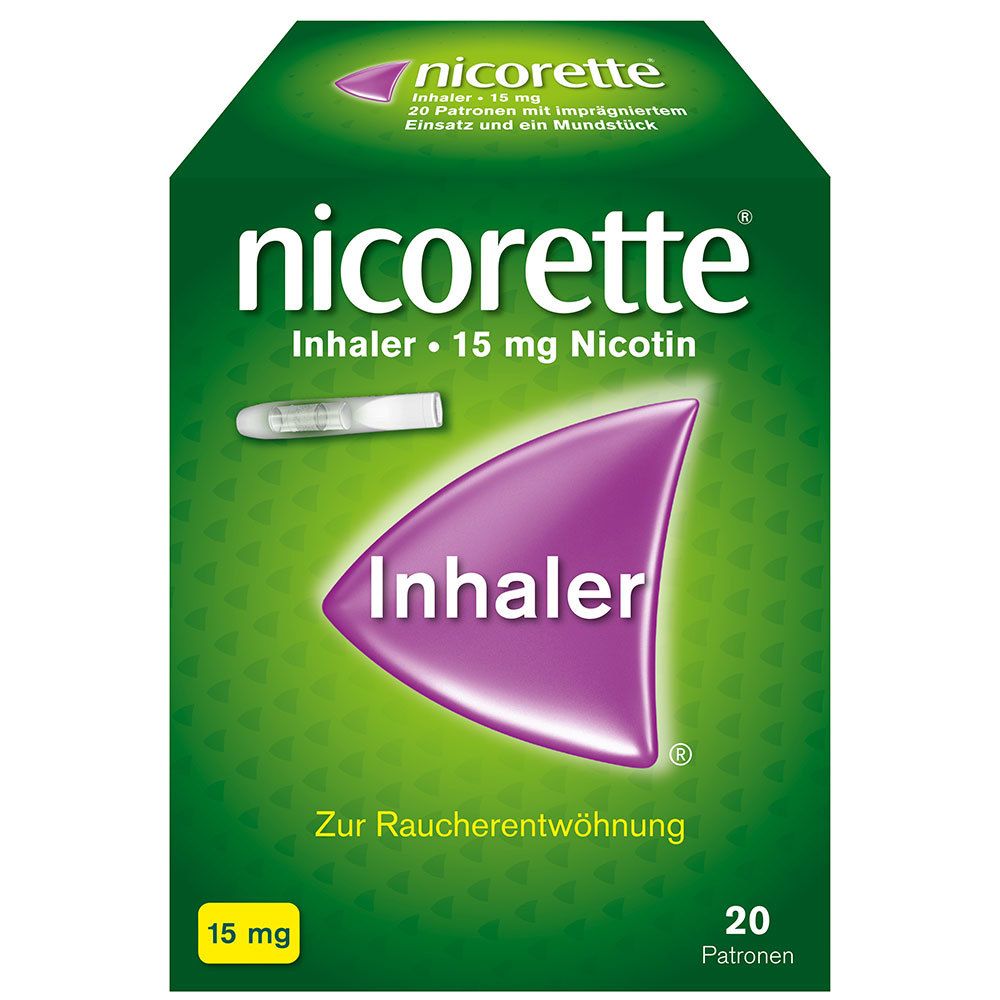
| Nicotine inhalers | People who miss the hand-to-mouth action of smoking as well as the nicotine. | Can address ritual, but may not be suitable for everyone and should be used as directed. |
| Nicotine sprays | People who experience fast, intense cravings and need a quicker-acting option. | Can feel more direct, but may cause local irritation and needs careful use according to instructions. |
If you smoke soon after waking, smoke heavily through the day, or have failed with single-form NRT before, combination therapy may be worth discussing with a pharmacist or clinician. A common pattern is steady support from nicotine patches plus a short-acting form such as gum, lozenges, or spray for breakthrough cravings. This is not a reason to self-escalate dosage; it is a reason to get the plan right before your quit date.
A simple selection framework
- If cravings are constant: consider whether a patch-based plan gives steadier coverage than relying only on “as needed” forms.
- If cravings are situation-based: gum, lozenges, sprays, or inhalers may give more control around specific triggers.
- If the ritual is the hardest part: plan a replacement for the hand-to-mouth habit, not just the nicotine dose.
- If you smoke a pack a day or more: ask for dosage guidance rather than choosing the lowest strength out of fear.
- If you smoke lightly but automatically: the main work may be routine change, with lower-intensity nicotine support if appropriate.
To understand why nicotine numbers can be confusing, it may help to read a plain-language explanation of how much nicotine is in a cigarette. The useful takeaway is that nicotine content on paper is not the same as what your body absorbs, so personal smoking behavior matters.

Set a nicotine plan before the quit day
NRT works better when it is part of a stop-smoking plan rather than an emergency purchase after a difficult morning. Choose a quit date, remove cigarettes and lighters from your usual places, decide which NRT form you will use, and write down what you will do at your three most predictable smoking moments.
Some public health resources note that nicotine replacement may begin at the quit date and, in some plans, shortly before it. The exact timing depends on the form and instructions. The BARMER guidance on quitting smoking also emphasizes telling people around you about your stop-smoking attempt, because withdrawal is easier to handle when friends, family, and colleagues understand what is happening.
- Pick the cigarette you most fear losing. Morning coffee, work break, driving, after dinner, or stress? Build a replacement action for that moment first.
- Match NRT to that pattern. Steady daily smoking often needs different support than occasional but intense trigger smoking.
- Write a dosage check rule. Follow the label and ask a pharmacist or clinician if you are unsure. Do not stack forms casually.
- Plan reduction later, not on day one. The first goal is no cigarettes. Tapering nicotine can come after stability.
Manage withdrawal symptoms without adding more medication
Nicotine replacement can reduce cravings, but it does not remove every discomfort. Irritability, restlessness, poor sleep, hunger, low concentration, and a sense of “something missing” can still appear. The most useful non-medication strategies are simple, repeatable, and ready before cravings peak.
Use movement as a craving interrupter
Exercise does not need to mean a gym session. A brisk ten-minute walk, climbing stairs, stretching, or a short bodyweight routine can interrupt the mental loop that says “smoke now.” Movement also gives you something measurable to do with agitation, which is often more effective than trying to think your way out of a craving.
Hydration and mouth routines help more than they sound
Many cravings are tied to oral routine: reaching, inhaling, drinking coffee, finishing a meal. Keep water nearby, use sugar-free gum if appropriate, or switch to a different drink during moments linked to cigarettes. Hydration will not “detox” nicotine in a dramatic way, but it can reduce the dry-mouth, snack-seeking, restless feeling that makes relapse more tempting.
Distraction works best when it is pre-decided
A craving plan should be specific enough to follow when willpower is low. Try: “If I want to smoke after lunch, I will leave the table, brush my teeth, and walk outside for five minutes.” Vague advice like “stay busy” fails because the craving chooses the activity for you; a pre-decided distraction puts you back in charge.
Support groups and social support reduce isolation
Withdrawal can feel embarrassing because the reactions are emotional as well as physical. A support group, stop-smoking counseling program, or even a small accountability circle can normalize the process and help you recover after a slip. Tell your support network what you need: fewer smoking invitations, patience with irritability, or a message at a specific danger time.
Keep motivation alive after the first burst of determination fades
Motivation is not a personality trait; it is a system. The first week often runs on urgency. Weeks two to six require visible progress, rewards, and fewer opportunities to make the same old decision.
- Set a goal that is behavior-based: “No cigarettes today” is more useful than “be healthier,” because you can act on it immediately.
- Track progress in plain numbers: smoke-free days, cigarettes not smoked, trigger moments survived, or money not spent. Choose one or two metrics, not ten.
- Use rewards early: reward the first day, first weekend, first stressful event, and first full week. Waiting months for a reward makes motivation too abstract.
- Make your support network practical: ask one person to check in after work, another to avoid offering cigarettes, and another to celebrate milestones.
- Keep a “why list” visible: breathing, money, family, fitness, smell, medical advice, or self-respect. Use your real reasons, not reasons you think you should have.
A common motivation trap is expecting each day to feel easier than the last. Progress is not perfectly linear. You may have an easy day followed by a hard one because of stress, alcohol, poor sleep, or a social trigger. That does not mean the plan has failed; it means the plan needs a response for that trigger.
Common pitfalls that lead to relapse—and how to avoid them
Pitfall 1: Keeping “emergency” cigarettes
Keeping cigarettes nearby turns a craving into a negotiation. Remove cigarettes from your home, car, bag, and workplace drawer before the quit date. If someone else in your household smokes, ask for cigarettes to be stored out of sight and not offered to you.
Pitfall 2: Using nicotine replacement but keeping the same smoking routine
If every break, route, drink, and social moment stays the same, NRT has to fight both chemistry and habit. Change the routine that used to contain cigarettes. Take a different work break location, drink tea instead of coffee for the first week if coffee is a trigger, or stand up immediately after meals.
Pitfall 3: Treating one cigarette as total failure
A slip is not the same as relapse unless you let it restart the pattern. Write down what happened: trigger, location, emotion, people, and time of day. Then adjust the plan within 24 hours. The goal is not to feel guilty; it is to prevent the same situation from surprising you twice.
Pitfall 4: Ignoring stress management
Stress is one of the most common relapse triggers because smoking may have become a fast pause button. Replace that pause with something equally accessible: slow breathing, stepping outside without smoking, texting a support person, or doing a two-minute task reset. If stress is chronic and severe, professional support may be as important as nicotine replacement.
Pitfall 5: Stopping NRT too early because you feel confident
Feeling better after a few days is good, but early confidence can be misleading. Follow the planned course unless a healthcare professional advises otherwise. Some guidance describes patch use over several weeks with tapering, while other forms may be used for longer within a structured plan. The right duration depends on smoking history, product type, side effects, and relapse risk.
What progress usually looks like in real life
A realistic success pattern is not dramatic willpower every hour. It is a sequence of small wins: the first morning without smoking, the first work break handled differently, the first argument without buying cigarettes, the first social event where you leave smoke-free. These moments build evidence that you can function without cigarettes.
Useful “expert-style” advice is often practical rather than inspirational: prepare your environment, tell people what you are doing, match NRT to your smoking habits, and do not rely on motivation alone. If your first approach does not work, adjust the form, timing, support, or trigger plan instead of concluding that quitting is impossible.
If your concern is the ritual rather than nicotine, it may help to learn about non-nicotine oral or hand-to-mouth substitutes in a general educational way, such as this guide to nicotine-free puffs. That does not make them a stop-smoking treatment; it simply highlights that behavioral rituals can be separate from nicotine dependence.
FAQ: practical concerns about nicotine replacement
What are the side effects of nicotine replacement therapies?
Side effects vary by form. Patches may irritate the skin. Gum and lozenges can bother the mouth or stomach if used incorrectly. Sprays may cause local irritation, and inhalers may not suit everyone. Read the product instructions and seek medical advice if symptoms are strong, persistent, or worrying.
Can nicotine replacement products be used long-term?
NRT is usually planned as temporary support, but “temporary” can mean different things depending on dependence level and product type. Some resources describe courses from several weeks to several months. If you still need NRT after the planned period, do not simply give up or extend indefinitely without review; ask a healthcare professional whether to taper, change form, or add behavioral support.
How do I know if a nicotine replacement product is working?
It is working if it helps you avoid cigarettes, makes cravings less intense or shorter, and lets you get through predictable triggers with fewer slips. It does not have to remove every craving. If you still feel driven to smoke repeatedly, the issue may be dosage, timing, product type, trigger exposure, or lack of support.
Should I worry about weight gain?
Some people eat more after quitting because food tastes different, hands feel restless, or snacks replace cigarettes. Plan filling meals, keep lower-effort snacks available, drink water, and use short walks as craving breaks. Do not use fear of weight gain as a reason to keep smoking; manage it as a separate planning issue.
The practical takeaway
Nicotine replacement is most useful when it is matched to your personal smoking habits and backed by a routine-change plan. Choose steady support, fast-acting support, or a professionally guided combination based on when cravings hit; use exercise, hydration, distraction, and support groups to handle withdrawal; and protect motivation with tracking, rewards, and a support network. The next step is simple: identify your top three cigarette triggers, choose the NRT format that fits them, and remove the routines that make relapse easy.
Related Guides in best vape
You can refer to similar articles..
- Wie Viel Nikotin Hat Eine Vape in mg? The Simple Conversion Buyers Need
- Exploring the Fumot Tornado 25k: Features, Nicotine Options, and More
- Exploring Puff Flavors: A Guide to Choosing Your Perfect Vape
- Discover the World of Nicotine-Free Puffs: A Comprehensive Guide
- Understanding Nicotine Content in Cigarettes: A Comprehensive Guide
- Was Ist Schlimmer, Zigaretten oder Vape? The Simple Tradeoff Map
- Wie Lange Hlt Eine Vape in Days? Why Puff Counts Can Mislead Buyers
- Wie Macht Man Ringe Mit Vape Without Coughing or Wasting Puffs
- Wie Viele Zge Hat Eine Vape Before Flavor and Battery Drop Off?
- How Many Cigarettes Is a Vape Really? Nicotine vs Puff Count Explained
- Discover the Best Cherry Vape Flavors: A Comprehensive Guide
- Discover the Best Puff Flavors for Every Season


