
Mastering Puff Pastry Storage: Keep It Fresh and Flaky
Few pastry disappointments are as obvious as puff pastry that bakes up flat, greasy, or tough after looking fine in the fridge. The storage shortcut is simple: keep the dough cold, protected from air, and dry enough to avoid surface moisture, then choose refrigeration only for short holds and freezing for longer storage. If you searched for “puff richtig lagern,” the real decision is not just where to put it, but how to prevent butter melt, freezer burn, dampness, and stale edges.
The quick storage rule: cold, airtight, and not damp
Puff pastry depends on distinct layers of dough and fat. In the oven, the water in those layers turns to steam and lifts the pastry. If the dough gets warm before baking, the fat softens and can seep into the dough instead of staying layered. That is why cold storage protects both freshness and flakiness.
Air exposure is the second problem. Unwrapped pastry dries at the edges, absorbs refrigerator odors, and can form a crust that cracks when unfolded or rolled. Moisture is the third problem: too much humidity can make the surface sticky, encourage mold over time, or cause sheets to glue themselves together.
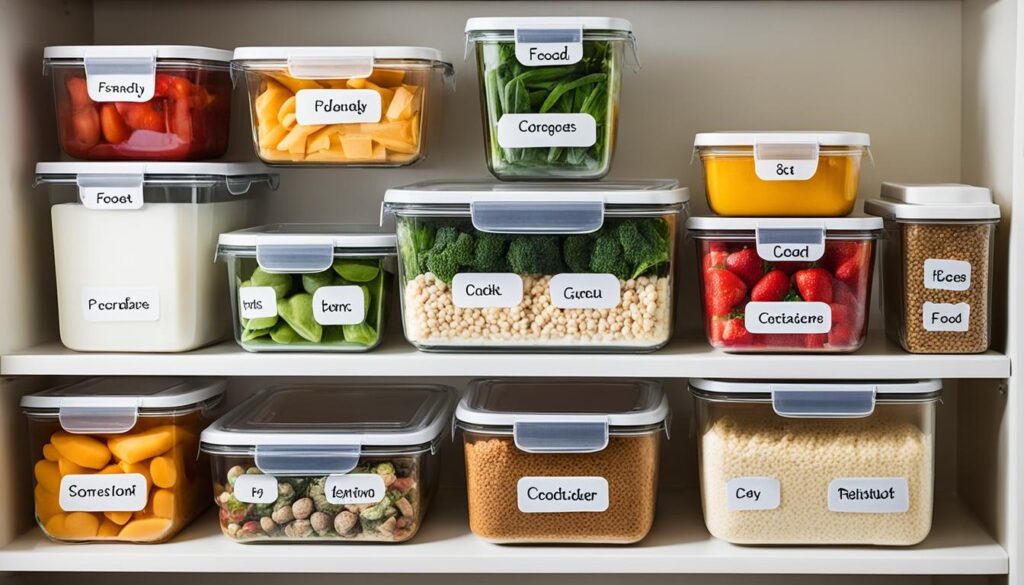
Homemade puff pastry: how to store it without ruining the layers
Homemade puff pastry is more delicate than most store-bought versions because it has not been sealed in a commercial package and may contain exposed flour, butter, and folds from recent handling. Store it as soon as it is made, and do not leave it sitting on a warm counter while you decide what to do next.
For short-term use: refrigerate it well wrapped
Shape homemade puff pastry into a flat rectangle or disk before chilling. A flatter shape cools more evenly and is easier to roll later than a thick ball. Wrap it closely in plastic wrap, parchment plus wrap, or another tight food wrap, then place it in an airtight container or resealable bag.
Refrigeration is useful when you plan to bake soon. The pastry should stay cold but not freeze solid, and it should be kept away from wet produce, uncovered leftovers, or anything with a strong smell. If condensation appears inside the wrap, pat the outside of the wrapped dough dry before returning it to the fridge and avoid opening it repeatedly.
For longer storage: freeze it in usable portions
To freeze homemade puff pastry, portion it before freezing. Divide it into the sizes you normally bake with, flatten each piece, wrap tightly, and then add a second barrier such as a freezer bag or airtight container. Label it with the date so you are not guessing later.
The goal is to protect the dough from freezer burn and from small temperature swings every time the freezer opens. If you stack sheets, separate them with parchment so they do not fuse together. Freeze them flat first, then move them once firm if you need to save space.
Store-bought puff pastry: package first, then airtight backup
Store-bought puff pastry is often easier to store because the package gives you the most important instructions: whether it was sold refrigerated or frozen, how long it is expected to last, and whether it should be used after thawing. Treat the package directions and expiry date as the primary guide, especially for unopened dough.
If it was sold frozen, keep it frozen until you are ready to thaw it. If it was sold refrigerated, keep it in the refrigerator and avoid moving it between fridge and counter. Once the package is opened, add protection: press out excess air, wrap unused sheets tightly, and place them in an airtight bag or container.
Do not rely on the original cardboard box alone once the inner wrap is opened. Cardboard does not stop air movement, moisture exchange, or odor transfer. A torn inner sleeve also lets exposed pastry dry at the edges, which can create brittle strips that bake unevenly.
| Pastry type | Short hold | Longer hold | Most important check |
|---|---|---|---|
| Homemade, unbaked | Wrap tightly and refrigerate | Freeze in flat, wrapped portions | Cold dough, no damp surface, no off smell |
| Store-bought, unopened | Follow refrigerated or frozen package instructions | Keep frozen if sold frozen and within package guidance | Expiry date and storage directions |
| Store-bought, opened | Rewrap tightly and refrigerate briefly | Freeze airtight if suitable and still cold | Opened edges, dryness, thaw history |
| Baked puff pastry | Store loosely covered at room temperature if filling allows | Freeze only if texture tradeoff is acceptable | Filling safety and crispness loss |
Temperature matters because flakiness depends on solid fat
Guides to working with puff pastry often repeat the same principle: cold is key. That is not just a baking cliché. Puff pastry performs well when the fat stays firm enough to separate the layers until oven heat creates steam. Warm dough becomes soft, stretches easily, and can bake with fewer visible layers.
Temperature problems usually show up in one of three ways. First, the pastry becomes sticky while you handle it. Second, butter or fat smears on the surface or leaks before baking. Third, the baked result is dense in the center and greasy on the tray. These are signs that the dough spent too much time warm or was handled too long before baking.
The refrigerator is for controlled short storage and thawing. The freezer is for preserving unbaked pastry when you will not use it soon. The counter is only for brief handling, not storage. If the dough softens while you are shaping it, pause and chill it again rather than forcing it through rolling, folding, or cutting.
Thaw slowly for better handling
Frozen puff pastry should generally thaw in the refrigerator rather than on a warm surface. Slow thawing keeps the layers cold while making the sheet flexible enough to unfold or roll. Fast thawing can leave the outside soft while the center is still stiff, which increases cracking and sticking.
If a sheet cracks because it is still too cold, wait a few minutes rather than pulling it apart. If it becomes limp or greasy, chill it. The right handling point is cool and pliable: flexible enough to unfold, firm enough that it does not stretch under its own weight.
Humidity is the hidden reason pastry turns sticky, stale, or moldy
Temperature gets most of the attention, but humidity can quietly ruin stored puff pastry. Too much moisture makes raw pastry tacky and harder to separate. It can also soften baked pastry, making crisp layers turn leathery. Over time, damp storage can contribute to mold, especially if the pastry has been opened, handled, or filled.
Dryness is also a problem. A refrigerator is a drying environment, and unprotected pastry can lose moisture at the edges. Those dry edges may crack when rolled and bake faster than the center. The goal is not “as dry as possible”; it is controlled protection from both air and excess moisture.
- Use airtight wrapping for raw pastry. It reduces drying and blocks refrigerator odors.
- Avoid trapping visible condensation. If moisture forms inside a container, the pastry may become sticky.
- Separate sheets with parchment. This helps prevent sticking, especially after thawing.
- Keep filled pastries in mind. Wet fillings can soften layers faster than storage alone.
- Do not store near strong-smelling foods. Butter-rich dough can pick up odors.
For baked puff pastry, humidity affects texture even faster. Crisp pastry stored in a sealed container can soften if steam is trapped inside. Let baked pieces cool completely before covering them. If they contain a perishable filling, the filling’s storage needs come first, even if refrigeration softens the pastry.
How long puff pastry lasts before quality drops
Shelf life depends on whether the pastry is homemade or store-bought, raw or baked, opened or unopened, and refrigerated or frozen. The expiry date on a store-bought package is the most specific guide because formulas and packaging vary. Homemade pastry has no printed date, so storage method and freshness checks matter more.
As a practical quality rule, refrigerate raw puff pastry only for short-term use and freeze it for longer storage. Homemade dough often tastes and handles best when used soon after making or after a well-protected freeze. Store-bought frozen pastry can remain usable according to its package date, but quality can decline if the package is damaged, thawed and refrozen, or exposed to freezer air.
Instead of treating duration as the only test, check quality before baking. Raw puff pastry should smell clean and buttery or neutral, not sour or musty. It should not show mold, unusual discoloration, persistent sliminess, or dried-out cracked edges throughout the sheet. If it has been warm for an unknown length of time, do not try to rescue it for the sake of flakiness.
A simple freshness check before baking
- Check the date and thaw history. For store-bought pastry, start with the expiry date and whether it stayed at the intended temperature.
- Look at the surface. Avoid using pastry with mold, wet patches that do not dry, or severe freezer burn.
- Smell it. Any sour, rancid, or unpleasant odor is a warning sign.
- Feel the texture. Cool and pliable is good; slimy, greasy, or crumbly from dryness is not.
- Consider the filling. If the pastry is already filled, the filling may shorten the safe storage window.
Common storage mistakes that flatten puff pastry
Leaving it half-covered in the fridge. A loose fold of plastic or an open box may seem adequate overnight, but exposed edges dry quickly. Wrap the pastry tightly and use an airtight outer layer after opening.
Thawing at room temperature until soft. The dough may become easy to unfold, but that softness comes at the cost of structure. Thaw in the refrigerator when possible, then work while the pastry is still cool.
Rolling warm dough harder to fix sticking. Extra flour and pressure can compress layers. If the dough sticks, chill it and lightly flour the surface only as needed.
Freezing a loose, opened sheet. Freezer air dries pastry and creates brittle patches. Wrap sheets individually or in separated layers, remove excess air, and label the package.
Ignoring humidity from fillings. Raw fruit, custards, sauces, and savory fillings can soften pastry during storage. If crispness matters, assemble close to baking or use storage methods that keep wet components from soaking the dough.

FAQ
Can puff pastry be refrozen after thawing?
It depends on how it thawed and how long it stayed cold. If puff pastry thawed in the refrigerator, remained cold, and shows no quality concerns, refreezing may be possible, but the texture can suffer because ice crystals and moisture changes weaken the layers. If it became warm, sticky, or was left out for an uncertain period, it is better not to refreeze it.
What is the ideal temperature for storing puff pastry?
For short storage, keep it refrigerator-cold; for longer storage, keep it frozen. The important point is consistency. Repeated warming and cooling damages quality because the fat softens, moisture moves, and the layers become less distinct.
How can I tell if puff pastry has gone bad?
Do not use puff pastry with mold, a sour or rancid smell, unusual discoloration, a slimy surface, or a package that has been warm or compromised. Dry edges or mild cracking may be quality issues rather than spoilage, but they still affect how evenly the pastry bakes. When the storage history is unclear, be cautious.
The practical takeaway
Store puff pastry according to how soon you will use it: refrigerate tightly wrapped dough for a short hold, freeze airtight portions for longer storage, and follow the package expiry and storage directions for store-bought pastry. Protect it from warmth, air, and excess moisture, and check smell, surface, texture, and thaw history before baking. Those small storage choices are what keep the layers separate enough to bake up light, crisp, and flaky.
Related Guides in best vape
You can refer to similar articles..
- Is a High Puff Disposable Vape Worth It? Costs, Battery, and Flavor
- Why a 10000 Puff Disposable Vape May Not Last as Long as Expected
- Before Buying a 20000 Puff Disposable Vape, Check These 7 Things
- Choosing Your First Puff: A Beginner's Guide to Vaping
- Avoiding Common Mistakes: A Beginner's Guide to Visiting a Puff
- Exploring Puff Flavors: A Guide to Choosing Your Perfect Vape
- Mango Disposable Vape Flavor: What Actually Matters Beyond Puff Count
- Long Lasting Disposable Vape for Heavy Users: What Matters Most
- How to Choose a Premium Disposable Vape Without Paying for Hype
- Top Fruity Puff Flavors: A Guide to Taste and Purchase
- Disposable Vape Safety Checks: Battery, Liquid, and Storage Basics
- Why Your Fruit Vape Disposable Tastes Burnt Before It Is Empty


