
Understanding Disposable Vapes: Functionality, Safety, and Impact
A disposable vape is simple on purpose: you inhale, a small battery powers a heating coil, the coil warms prefilled liquid, and aerosol is drawn through the mouthpiece. The harder questions are not how to take a puff, but what happens after the device is empty, how to think about health risks, and whether the convenience is worth the repeat cost. This guide answers those practical tradeoffs without turning the topic into a shopping pitch.
The short version: what is happening inside a disposable vape?
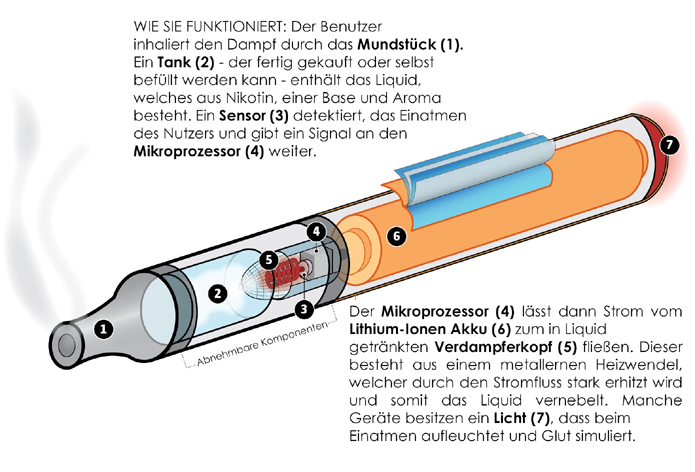
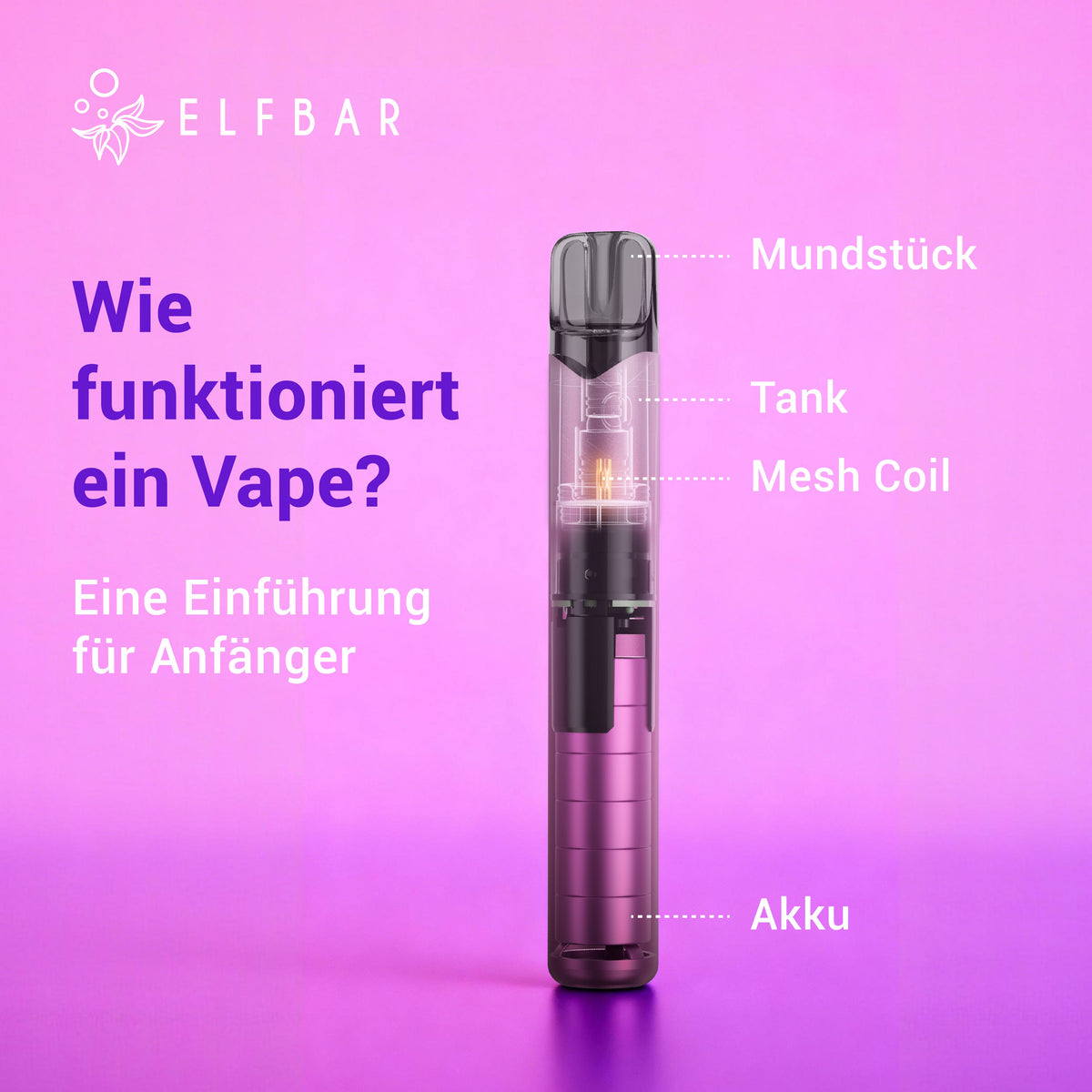
If you searched for wie funktioniert eine einweg vape, the mechanical answer is straightforward. A disposable vape is a closed, prefilled device: the battery, liquid reservoir, heating coil, airflow path, and mouthpiece are built into one unit. Most are designed so the user does not refill liquid, replace the coil, or recharge the battery, although exact designs vary.
In practical terms, the device works in five linked actions:
- Activation: Many disposable vapes are draw-activated, meaning airflow from inhalation triggers the device rather than a button.
- Power: The built-in battery sends current to the heating element.
- Heating: The coil warms liquid held in or near a wick.
- Aerosol formation: The warmed liquid becomes visible vapor-like aerosol.
- Inhalation: The aerosol travels through the mouthpiece as the user draws.
That simplicity is the appeal, but it also creates the main limitation: once the liquid, battery, or coil is spent, the entire device becomes waste rather than a repairable or refillable item.
Why the closed design matters more than it first appears
Disposable vapes are often described as convenient because they remove setup tasks. There is no separate tank to fill, no coil to install, and usually no charging routine to learn. For a new user trying to understand the format, that lowers the learning curve.
The same closed design also removes control. You generally cannot inspect the coil, change the liquid, adjust maintenance habits, or easily separate the battery from the rest of the device. If flavor drops, vapor weakens, or the device stops responding, the usual answer is not troubleshooting in the way it would be with a reusable device. It is a sign that one of the built-in resources may be running out or the device has failed.
Common use questions: activation, weak vapor, and when it is finished
The most common first-use confusion is whether the device needs to be switched on. Many disposable vapes activate automatically when you inhale. If a device has no button and no charging port, there may be nothing to press, refill, or charge. Always check the packaging or instructions, because designs are not identical.
If vapor feels weak, several things may be happening. The battery may be low, the liquid may be nearly used up, the airflow path may be blocked, or the coil may no longer be heating effectively. Because the coil and battery are fixed inside the unit, there is usually little a user can safely service.
Stop using a disposable vape if it tastes burnt, becomes unusually hot, leaks liquid, makes unfamiliar crackling beyond normal operation, or behaves inconsistently. Do not try to open the casing to “fix” it. A sealed battery device is not designed for home repair.
For broader first-use basics and mistakes that can make a vape feel harsher than expected, this educational guide on how a vape works and first-use errors to avoid explains the general operating principles beyond disposables.
Environmental impact: the problem is not only the plastic shell
The environmental impact of disposable vapes comes from the mix of materials in one small sealed item. A used device may contain a battery, metal coil, plastic casing, residual liquid, electronics, and packaging. That combination makes disposal more complicated than throwing away a simple container.
The key issue is waste multiplication. A reusable device spreads its battery and electronics over many uses, while a disposable unit turns those built-in components into waste each time the device is finished. Even when the individual device is small, the repeated cycle can add up quickly for frequent users.
Can disposable vapes be recycled?
Some parts may be recyclable in principle, but the sealed construction can make recycling difficult in practice. The user usually cannot separate the battery, coil, plastic, and liquid residue cleanly. Local recycling rules also differ, so the correct disposal route depends on your area.
A cautious approach is to treat the used device as electronic waste rather than household rubbish. Check municipal guidance, retailer take-back options where available, or local e-waste collection rules. Do not place a device with a battery into general recycling unless your local system specifically accepts it.
Disposal mistakes to avoid
- Do not litter used devices. They contain materials that do not belong in streets, parks, or waterways.
- Do not assume “empty” means harmless. Residual liquid and battery components may remain inside.
- Do not dismantle the device casually. Opening a sealed battery product can create safety issues.
- Do verify local rules. Waste, recycling, and battery disposal requirements are handled differently by location.
Safety and health considerations: what “simple” does not solve
Disposable vapes are easy to use, but ease of use is not the same as absence of risk. The health concerns depend on what is in the liquid, how the device is used, the condition of the device, and whether the product complies with applicable regulations. Users should be especially careful with nicotine content, labeling, age restrictions, and device integrity.
Because the device is sealed, you rely heavily on the label and the manufacturer’s compliance. Check the nicotine information, liquid volume, warnings, and any required regulatory markings for your market. If information is missing, unclear, or inconsistent, that is a reason to pause rather than guess.
Device safety checks before use
- Packaging: Look for intact packaging and readable information. Avoid using a device if the package appears damaged or tampered with.
- Leaks: Liquid on the mouthpiece or exterior is a warning sign. Do not continue using a leaking device.
- Heat: A device should not become uncomfortably hot during normal use. If it does, stop using it.
- Flavor change: A burnt taste can suggest the wick or liquid supply is not working as intended.
- Storage: Keep battery-containing devices away from extreme conditions and out of reach of children and pets.
Health risks cannot be reduced to a single sentence because products and users differ. A person who does not already use nicotine should not treat disposables as harmless because they are small or flavored. A person trying to understand nicotine levels should read labels carefully and compare units rather than relying on puff claims alone. This educational explainer on how much nicotine a vape may contain can help decode common label formats such as percentages and mg/ml.
Cost comparison: low effort now can mean less value over time
The cost question is not only “What is the price of one device?” It is “How often will you replace it, and how much control do you have over the parts that wear out?” Disposable vapes bundle the battery, liquid, and coil into one purchase. That makes the upfront decision simple, but it can make repeated use less economical.
Reusable vapes usually separate the device from consumables such as liquid, pods, or coils. That can introduce more setup and maintenance, but it may spread the device cost across longer use. The more frequently someone vapes, the more important this distinction becomes.
| Cost factor | Disposable vape | Reusable vape |
|---|---|---|
| Initial effort | Usually very low: prefilled and ready to use | Higher: may require charging, filling, or replacing parts |
| Upfront cost pattern | Paid one device at a time | Device cost plus ongoing consumables |
| Long-term value | Can become costly with frequent replacement | Can be more controllable if maintained properly |
| Waste per use cycle | Entire sealed unit is discarded | Some components are reused |
| User control | Limited control over liquid, coil, and battery life | More control, but more responsibility |
A useful way to compare cost is to track actual usage over a week or month, not the advertised puff count alone. Puff estimates depend on draw length and usage style, so they are not a precise consumption guarantee. If you want to understand why puff numbers can mislead, see this guide on how many puffs a vape may provide and what wastes them.
For a broader cost framework, these educational resources on what makes a vape expensive beyond the shelf price and monthly vape costs and hidden refills can help separate one-time price from ongoing expense.
Benefits and drawbacks: where disposables make sense and where they do not
The main benefit of a disposable vape is convenience. It is user-friendly because it removes charging routines, refilling, coil changes, and most setup decisions. That can be useful for someone trying to understand the basic experience without managing separate components.
The drawbacks are just as practical. A disposable device gives less control, creates more waste per finished unit, and can become less economical with repeated use. It also offers fewer options when something goes wrong: a weak battery, empty reservoir, blocked airflow, or failing coil may all feel similar to the user.
| Reader priority | Disposable format may appeal because... | Potential drawback to weigh |
|---|---|---|
| Ease | No filling, assembly, or coil replacement | Little room to troubleshoot or adjust |
| Portability | Small, self-contained device | Can be easy to misplace or discard incorrectly |
| Predictability | Prefilled and designed for one use cycle | Actual life depends on usage, not just the label |
| Low maintenance | No routine cleaning or part replacement | Entire unit becomes waste when finished |
| Budget control | Simple single purchase | Repeat purchases may reduce value over time |
The balanced takeaway is not that one format is universally better. It is that disposable vapes trade maintenance for waste, control for simplicity, and lower effort for potentially weaker long-term value.
FAQ: remaining questions people usually have
How long does a disposable vape last?
It lasts until one of its built-in resources runs out or fails: liquid, battery charge, coil performance, or airflow. Packaging may mention a puff estimate, but that number is only a guide. Longer draws, frequent use, and storage conditions can affect how long the device feels usable.
Can disposable vapes be recycled?
They should not be treated like ordinary plastic recycling unless local rules say so. Because a disposable vape combines a battery, electronics, metal, plastic, and possible liquid residue, the safer route is to check local e-waste or battery collection guidance. Recycling is more complicated when the parts cannot be separated by the user.
What are the health risks of using disposable vapes?
The main concerns include inhaling aerosolized substances, nicotine exposure if the liquid contains nicotine, device quality, and whether the product meets relevant regulations. The exact risk profile depends on the product and the user. Read the label, avoid damaged or leaking devices, and do not assume convenience means risk-free.
Is a disposable vape cheaper than a reusable vape?
For a single short-term purchase, a disposable can feel cheaper because there is little else to buy or maintain. Over repeated use, the comparison can change because every finished disposable means replacing the whole device. A fair comparison looks at cost over time, not just the first purchase.
Practical takeaway
A disposable vape works by using inhalation to activate a built-in battery and coil, which heat prefilled liquid into vapor-like aerosol. The important decision is not only whether it works, but whether its convenience justifies the safety checks, disposal responsibility, environmental impact, and repeat cost. Before using one, verify the label, inspect the device, understand local disposal rules, and compare the full use cycle rather than judging by simplicity alone.
Related Guides in best vape
You can refer to similar articles..
- Wie funktioniert eine Vape Safely? First-Use Mistakes to Avoid
- Wie teuer ist eine Vape? 5 Price Traps New Buyers Miss
- Wie lange braucht eine Vape zum Laden? The Real Timing Buyers Need
- Wie Viel Kostet Eine Vape for Beginners? Starter Kits vs Disposables
- Wie Viel Zge Hat Eine Vape? Common Mistakes That Waste Puffs
- Wie Viel Nikotin Hat Eine Vape in mg? The Simple Conversion Buyers Need
- Was Kostet Eine Vape Monthly? The Hidden Refills Buyers Forget
- Wie Lange Hlt Eine Vape in Days? Why Puff Counts Can Mislead Buyers
- Wie Viele Zge Hat Eine Vape Before Flavor and Battery Drop Off?
- Discover the Features and Flavors of Adalya Einweg Vape
- Was Ist Eine Vape Zndung? Auto-Draw vs Button Firing Explained
- Wie entsorgt man eine Vape After It Dies, Leaks, or Won't Charge


