
Was Ist Eine Vape and What Should You Check Before Buying One?
A first vape can look oddly simple: several slim devices on a shelf, similar packaging, different nicotine strengths, different liquids, and no obvious reason why one costs more or feels different to use. If your search is “was ist eine vape,” the short answer is this: a vape is an electronic device that heats a liquid or oil into an inhalable aerosol. The harder question is whether the device, nicotine level, label, and rules around it make sense before you buy.
The plain meaning: what a vape actually is
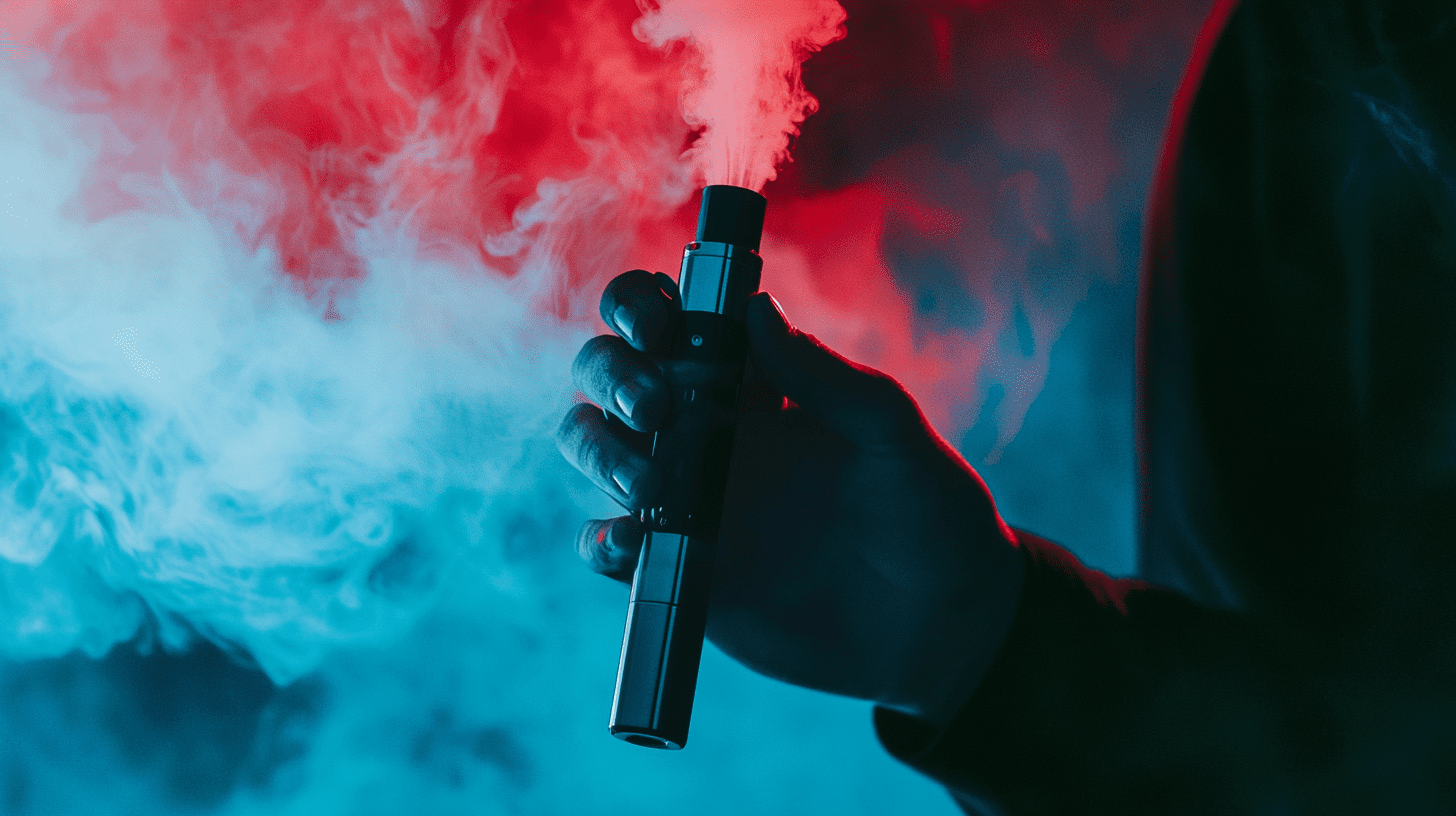
A vape is a battery-powered device with a heating element and a chamber, pod, tank, or cartridge that holds the substance being heated. In nicotine vapes, that substance is usually an e-liquid containing a base liquid, flavorings, and often nicotine. Some devices are made for other substances, which is one reason labels matter: not every product called a “vape” is the same category.
The action is usually called vaping. The device heats the liquid enough to create an aerosol that is inhaled. A useful clarification from the Texas Department of State Health Services is that this aerosol is not simply harmless water vapor; it can contain nicotine, flavorings, and other chemicals depending on the liquid and device. That distinction matters because beginners often assume “vapor” means “just steam.” It does not.
The basic parts are usually:
- Battery: powers the device, either built in or replaceable depending on the type.
- Heating element or coil: warms the liquid or oil.
- Liquid holder: a tank, pod, cartridge, or sealed reservoir.
- Mouthpiece and airflow path: where the user draws from the device.
Decision rule: before thinking about flavor or appearance, identify what substance the device is designed for and whether it contains nicotine. Those two details shape most of the practical and safety questions that follow.
Vape, e-cigarette, vaporizer: similar words, not always identical
People use “vape” and “e-cigarette” loosely, and many shops use the terms interchangeably for nicotine devices. Still, the wording can hide meaningful differences.
| Term | Common meaning | What to check |
|---|---|---|
| Vape | Broad word for a device that creates an inhalable aerosol | Substance type, nicotine content, device format |
| E-cigarette | Often used for nicotine vaping devices | Nicotine strength, refillable vs sealed, legal sale rules |
| Vaporizer | Can refer to devices for liquids, oils, or dry material depending on context | Intended material and temperature design |
Common mistake to avoid: do not assume a “vaporizer” is automatically the same as a nicotine e-cigarette. If the packaging does not clearly state what the device is for, that is a reason to pause, not guess.

Disposable, pod, refillable: the format changes the experience
Most first-time confusion comes from device format. A disposable vape, a pod system, and a refillable tank device can all be called vapes, but they create different maintenance, cost, and control tradeoffs.
Disposable vapes
Disposable devices are sealed and designed to be used until the liquid or battery is finished. Their appeal is simplicity: no refilling, no coil changes, little setup. The tradeoff is limited control. You usually cannot adjust the liquid, nicotine strength after purchase, or repair normal wear. They also create waste because the battery and reservoir are built into a single unit.
Pod systems
Pod systems use replaceable or refillable pods. They are still compact, but they offer more flexibility than a sealed disposable. The tradeoff is that you need to understand pod compatibility, charging, and whether the pod is prefilled or refillable.
Refillable devices
Refillable devices use bottled e-liquid and a tank or refillable pod. They offer more control over liquid choice and maintenance, but they require more attention: filling correctly, replacing coils or pods, avoiding leaks, and storing liquid responsibly.
Decision rule: if you want the least setup, you give up control. If you want more control over liquid and ongoing use, you take on maintenance. Neither format removes the need to check nicotine, labeling, and legal restrictions.
Nicotine strength is not a minor detail
Nicotine is one of the most important pre-purchase checks because it affects dependence risk and how strong the product feels. Some vapes contain nicotine; some are labeled nicotine-free; some may use nicotine salts, which can feel smoother at higher strengths than some traditional freebase nicotine liquids. That smoother feel can make labels especially important.
Do not choose a nicotine level by packaging style, flavor name, or what a friend uses. Those are poor guides. Instead, look for the exact nicotine statement on the label. It may appear as mg/mL, a percentage, or both. If you do not understand the unit, ask for clarification before buying or skip the purchase until you can verify it.
Practical check:
- Is nicotine present? Look for “nicotine,” “nicotine salt,” “nic salt,” or a strength listing.
- How is it measured? Compare like with like; percentages and mg/mL are not the same display format.
- Is the label readable and complete? Avoid relying on color, flavor name, or puff count as a nicotine indicator.
- Are you legally allowed to buy it where you live? Age and sale rules vary by jurisdiction.
Health-sensitive point: vaping should not be treated as harmless. The Helios health article on e-cigarettes is useful because it frames the issue cautiously: e-cigarettes may be discussed as an alternative to smoking in some contexts, but they are not a health product and should not be presented as risk-free.
What to read on the package before spending money
Packaging is not just marketing. It is where you confirm the basics that affect use, legality, and expectations. A beginner should slow down at the label because many bad purchases happen before the device is even opened.
- Intended contents: Is it nicotine e-liquid, nicotine-free liquid, oil, or something else?
- Nicotine strength: Confirm the number and unit, not just the word “strong” or “smooth.”
- Device type: Disposable, rechargeable disposable, pod, cartridge, refillable tank, or another format.
- Charging information: If rechargeable, check whether charging instructions are provided.
- Warnings and age restrictions: Regulated products should carry clear warnings appropriate to the market.
- Manufacturer or distributor details: Missing or vague origin information is a reason to be cautious.
- Compatibility: For pods, cartridges, coils, or chargers, check what is required before assuming parts fit.
Common objection: “If it is sealed and popular, isn’t that enough?” Not really. A sealed device can still be the wrong nicotine strength, the wrong product category, or incompatible with what you thought you were buying.
Cost is more than the price on the shelf
For a first-time buyer, the visible price can be misleading because each format spreads cost differently. A disposable has a single upfront cost, but the full device is replaced. A refillable setup may require a device, liquid, coils or pods, and occasional replacement parts. A pod system often sits between those two models.
Because no one can know your usage pattern from a package, avoid calculating value from puff counts alone. Puff numbers can be based on testing assumptions that may not match how a person actually draws on the device. Stronger, longer, or more frequent draws can change how long a device lasts.
Decision rule: compare formats by what you will need after the first purchase. Ask: Will I need liquid? Replacement pods? Coils? A charger? A battery-safe storage habit? If the answer is unclear, the shelf price is not the full decision.
Safety and compliance checks that should happen before use
Vapes combine a battery, heat, and an inhaled substance, so basic caution is appropriate. This does not require alarmism; it requires reading the instructions and not improvising with batteries, chargers, or liquids.
- Use the charging method described by the manufacturer. Do not assume every cable or power brick is appropriate.
- Do not use a damaged device. Cracked housing, leaking liquid, exposed parts, or unusual heat are warning signs.
- Keep liquids and devices away from children and pets. Nicotine-containing liquids require particular care.
- Follow local rules. Minimum purchase age, public-use restrictions, shipping rules, and product rules vary.
- Do not modify the device. Opening, refilling, or altering sealed devices can create avoidable risks.
The DSHS resource is helpful here because it emphasizes device shapes and identification: vapes may look like pens, USB-like devices, or other everyday items. That matters for households, schools, workplaces, and travel because a device may not be obvious at a glance.
A practical pre-purchase checklist
If you only remember one section, use this checklist before buying any vape-related item:
- Identify the product category. Is it for nicotine e-liquid, another oil, or a different material?
- Confirm whether it contains nicotine. If yes, read the exact strength and unit.
- Match the format to your tolerance for maintenance. Disposable means simple but less flexible; refillable means more control but more upkeep.
- Check legal eligibility. Do not rely on online comments or shelf placement for age or local-use rules.
- Read warnings and instructions before opening. Especially charging, storage, and disposal guidance.
- Think beyond flavor. Flavor may be noticeable first, but nicotine strength, device type, and label clarity matter more.
- Plan disposal. Devices with batteries should not be treated like ordinary litter.
Buyer hesitation is reasonable here. If the label cannot answer these points clearly, the cautious move is to ask questions or wait.
FAQ for first-time searchers
Is a vape the same as smoking?
No. Smoking burns material and produces smoke; vaping heats a liquid or other substance to create an aerosol. That difference does not mean vaping is harmless. It means the mechanism is different, and the risks and rules should be considered on their own terms.
Does every vape contain nicotine?
No. Some are labeled nicotine-free, while many e-cigarette-style vapes do contain nicotine. The label is the only sensible starting point. Do not infer nicotine content from flavor, size, or device color.
What is the easiest mistake for beginners to make?
Choosing by flavor or appearance before checking nicotine strength and device type. A product can look beginner-friendly but still be too strong, hard to maintain, or not the category the buyer expected.
Are disposable vapes simpler?
They are usually simpler to operate because they are sealed and require little setup. The tradeoff is limited control, less repairability, and battery-containing waste. Simpler does not automatically mean the right choice.
Where can I read more basic background?
For a broader beginner explanation of terminology, costs, nicotine, and safety questions, see this related educational guide on what “vape” means. If you already have a disposable device and are troubleshooting taste or airflow, the guides on burnt taste and clogging or gurgling explain common warning signs without needing to buy something new.
The bottom line before you buy
A vape is not just a sleek electronic stick; it is a device category with different substances, nicotine levels, batteries, formats, and legal rules. The useful question is not only “what is it?” but “what exactly is in this one, how is it powered, how is it used, and am I allowed and prepared to use it responsibly?” Answer those before comparing flavor names or designs.
Related Guides in best vape
These related guides connect this article to the site's broader topic map.
- Was Ist Vape? Costs, Nicotine, and Safety Questions Explained
- Bloom Disposable Vape Flavors: How to Pick One You Won't Regret
- How to Make a Disposable Vape Not Taste Burnt: 7 Fixes to Try First
- How to Use City Trees Disposable Vape Pen Safely the First Time
- Torch Disposable Vape for First-Time Buyers: What Actually Matters
- Will a Disposable Vape Set Off a Metal Detector at Airports or Events?
- Will Texas Ban Disposable Vapes? What the Latest Rules Mean for Buyers
- How to Unclog a Disposable Vape When It Gurgles, Leaks, or Won't Hit


