
Comparing Vape Types: A Comprehensive Guide to Choosing the Right E-Cigarette
If you are comparing vape types, the practical shortcut is this: disposables favor simplicity, pod systems balance convenience with reuse, vape pens and refillable tanks add control, and larger mod-style devices prioritize customization. The right e-cigarette is less about chasing the most powerful option and more about matching four tradeoffs: environmental impact, ongoing cost, nicotine control, and the user experience you can realistically maintain.
The main vape types and who they tend to suit
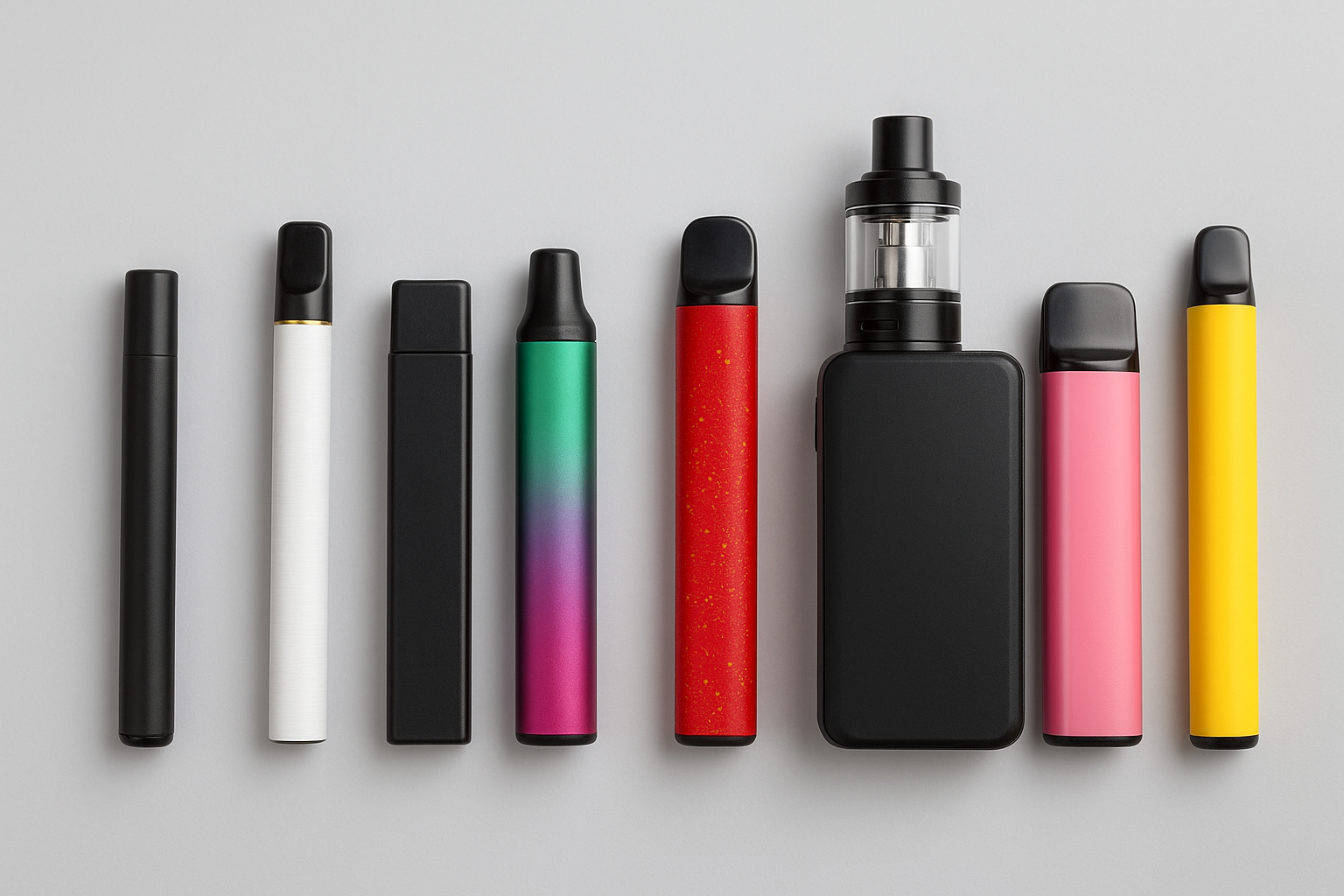
People searching for vape arten im vergleich usually do not need a list of every device ever made. They need to know what changes in daily use when one format is chosen over another. Most e-cigarettes work on the same basic principle: a battery heats an e-liquid, which may or may not contain nicotine, to create an aerosol that is inhaled. That is different from a cigarette, where tobacco is burned to create smoke.
The device format changes how much control you have, how much maintenance is required, how much waste is created, and how predictable the experience feels.
| Vape type | How it works | Main strengths | Main tradeoffs |
|---|---|---|---|
| Disposable vapes | Pre-filled, pre-charged, used until the liquid or battery runs out. | Very easy to use, no refilling, no coil changes, consistent setup. | More waste, recurring replacement cost, limited control over settings and parts. |
| Closed pod systems | Reusable battery with replaceable pre-filled pods. | Simple, compact, less messy than refilling, more reusable than disposables. | Pod choice is limited to compatible formats; ongoing pod cost matters. |
| Open pod systems | Reusable battery with refillable pods or cartridges. | More flavor and nicotine flexibility, less packaging waste per use. | Requires refilling, cleaning, and attention to worn pods or coils. |
| Vape pens | Pen-shaped rechargeable device, often with refillable tank or cartridge. | Portable, straightforward, often more battery life than very small pods. | More upkeep than disposables; performance varies by tank and coil condition. |
| Box mods and tank systems | Larger rechargeable device with adjustable power and separate tank. | High customization, stronger control over vapor production and airflow. | Steeper learning curve, more parts, more responsibility for safe setup and maintenance. |

Start with the decision factor most people overlook: waste
The environmental impact of vaping is not only about the visible plastic shell. Vapes can include batteries, circuit boards, metal components, pods, packaging, and leftover e-liquid residue. That makes disposal more complicated than throwing away ordinary household packaging.
Disposable vapes create the clearest sustainability concern because the entire device is discarded after use. Even if each unit is small, the battery and electronics are single-cycle from the user’s point of view. A reusable device does not become automatically eco-friendly, but it spreads the battery and body over many uses, which can reduce the amount of device waste per vaping session when it is maintained and used for a long period.
Pod systems sit in the middle. A closed pod system still creates pod waste, but the main battery is reused. Open pods and refillable tanks can reduce packaging and cartridge waste further, although coils, pods, bottles, and worn parts still need proper handling.
Cost is not just the price of the first device
The most common cost mistake is comparing a disposable vape to a reusable device only at checkout. Disposables can look economical because there is no separate charger, liquid bottle, pod pack, or coil purchase to think about. But the full cost depends on how often the device is replaced.
Reusable systems usually split the cost into two buckets: the upfront device and the ongoing consumables. For pod systems, that may mean replacement pods. For open systems, it may mean e-liquid, coils, pods, glass, or other parts. For larger tank systems, the number of replaceable components increases, but so does the user’s ability to tune the experience and avoid discarding the whole device.
A simple way to compare real cost
Instead of looking for a universal cheapest option, compare the cost over a realistic period of use. Ask:
- How long does one disposable, pod, coil, or tank fill actually last for my usage pattern?
- What parts must be replaced regularly, and which parts are reusable?
- Does the device need a separate charger, cable, or maintenance item?
- Will I discard the device when flavor drops, or can I replace only the worn component?
- Am I likely to use the same system consistently, or will I abandon it because it is inconvenient?
For light or occasional use, the convenience of a disposable or closed pod may feel worth the recurring cost. For frequent use, refillable and reusable systems often become more economical because the main battery and body are not replaced each time. The catch is that savings only appear if the user is willing to refill, charge, clean, and replace parts properly.
If you are trying to interpret advertised puff counts, remember that the number on a package does not always translate neatly into everyday use. Puff length, battery behavior, liquid flow, and flavor drop-off can all change the real experience. For a deeper explanation, this educational guide on how vape puff counts can differ from real-world use explains why a simple number can be misleading.
Health and safety: all vape types require caution
No vape type should be treated as harmless. The key health implications depend on nicotine, ingredients, device condition, heat, and usage pattern. Nicotine can be addictive, and e-liquids may be available with different nicotine strengths or no nicotine at all. A device that feels smoother or more flavorful is not automatically lower risk.
The broad distinction between smoking and vaping is combustion. Cigarettes burn tobacco; e-cigarettes heat liquid. That difference matters, but it does not make every e-cigarette safe, nor does it mean every device type has the same risk profile. Users should avoid assuming that a more advanced device, a stronger battery, or a larger cloud is healthier.
How device type can influence risk factors
- Disposables: They reduce maintenance errors because the user does not refill or change coils. The tradeoff is limited visibility into parts, limited adjustment, and a tendency to replace the whole device rather than troubleshoot performance changes.
- Closed pods: They can reduce mess and compatibility mistakes because pods are designed for a specific system. Users still need to monitor nicotine intake and avoid using damaged or leaking pods.
- Open pods and refillable pens: They allow more control over liquid choice and nicotine strength. They also require careful refilling, correct parts, and replacement when flavor becomes burnt or performance declines.
- Mod and tank systems: They offer the most control but also demand the most knowledge. Settings, coil compatibility, airflow, and battery handling all matter more than they do on simpler formats.
A practical safety rule is to treat unusual heat, leaking, burnt taste, battery swelling, damaged charging ports, or repeated misfiring as a stop-and-check signal. Do not keep using a device simply because there is liquid left or because it still produces vapor.
User experience: convenience, flavor, performance, and battery life
The “best” user experience depends on what the user is trying to avoid. Some people want no buttons, no refills, and no maintenance. Others care more about flavor control, vapor warmth, airflow, or battery life. Those priorities point to different vape types.
If ease of use matters most
Disposables and closed pod systems are usually the simplest. Many are draw-activated, meaning the device starts when the user inhales rather than when a button is pressed. If activation style is part of your decision, this guide to auto-draw versus button firing explains how the experience changes in daily use.
If flavor consistency matters most
Closed systems can feel consistent because the pod and liquid are designed as a set. Open systems give more choice, but they also introduce more variables: liquid viscosity, coil age, filling technique, airflow, and wattage where applicable. A burnt or muted flavor is often a maintenance issue rather than proof that the entire vape type is unsuitable.
If battery life matters most
Very small devices are convenient but have less physical space for battery capacity. Larger pens and mod-style devices may last longer between charges, but they are heavier and less discreet. Battery life should be judged alongside charging convenience, not in isolation. A compact device that charges easily may suit some users better than a larger one that technically lasts longer but is inconvenient to carry.
If control matters most
Refillable pods, vape pens, and tank systems give the user more say over nicotine strength, flavor, airflow, and sometimes power. That control is useful only if the user is willing to learn the basics. Otherwise, the extra settings can create confusion, inconsistent performance, or avoidable wear on parts.
A practical selection framework
Use this framework as a decision aid, not as a ranking. The right e-cigarette format is the one whose compromises you are willing to live with.
- Decide your maintenance tolerance. If you do not want to refill, clean, or replace coils, avoid complex systems. If you dislike waste and recurring replacements, avoid relying on disposables.
- Estimate ongoing cost, not first cost. Compare replacement frequency, pods, liquid, coils, and accessories over time.
- Check waste and disposal requirements. Batteries and electronics need responsible handling. Reusable devices only reduce impact when they are used long enough and disposed of correctly.
- Consider nicotine control. If adjusting nicotine level is important, refillable systems usually offer more flexibility than fixed pre-filled formats.
- Match the device to your daily routine. A technically capable device is a poor fit if it is too bulky, messy, or complicated for how you actually live.
Common mistakes that lead to regret
- Choosing only by flavor. Flavor matters, but a device can taste good and still be expensive, wasteful, or inconvenient over time.
- Ignoring replacement parts. A reusable device is only practical if pods, coils, or compatible parts are easy to understand and replace.
- Assuming bigger means better. Larger systems can offer more control, but they also add weight, setup decisions, and maintenance.
- Using puff count as a guarantee. Puff estimates depend heavily on use style and device behavior.
- Treating vaping as risk-free. Nicotine, battery condition, heat, and device maintenance all matter, regardless of format.
FAQ
What are the most eco-friendly vape options?
Reusable systems generally have a stronger sustainability case than disposables because the battery and device body are used repeatedly. Open pod and refillable tank systems can reduce cartridge and device waste further, but they still create waste through coils, pods, bottles, and packaging. The most eco-friendly choice is the one that is reused long enough and disposed of responsibly.
How do costs compare between disposable and reusable vapes?
Disposables can have a lower first cost and fewer accessories, but the entire unit is replaced again and again. Reusable vapes usually cost more to start but may become more economical for frequent users because only liquid, pods, coils, or other consumables are replaced. The real comparison depends on usage frequency, replacement habits, and whether the user maintains the device properly.
Are there health risks associated with all vape types?
Yes. All vape types can carry health and safety risks, especially when nicotine is involved or when devices are damaged, overheated, leaking, or poorly maintained. Simpler devices may reduce some user errors, while advanced devices add more variables. No format should be treated as harmless simply because it is convenient or popular.
The useful takeaway
Compare vape types by the tradeoffs you will feel after the first day: waste, ongoing cost, nicotine control, maintenance, flavor consistency, and battery life. Disposables are simplest but create the most replacement waste. Pod systems offer a middle ground. Refillable pens and tanks give more control but require more care. Before choosing any e-cigarette format, check what must be replaced, how it should be disposed of, and whether its daily upkeep fits your routine.
Related Guides in best vape
You can refer to similar articles..
- Was Ist Eine Vape Zndung? Auto-Draw vs Button Firing Explained
- Wie Viele Zge Hat Eine Vape Before Flavor and Battery Drop Off?
- Blueberry Ice Vape vs Plain Blueberry: Which Flavor Fits You?
- Bulk Disposable Vape Costs: What Changes the Real Unit Price
- How to Buy Vape Wholesale With Better Margins and Fewer Stockouts
- Disposable Vape Wholesale Mistakes That Can Shrink Your Margins
- Europe Fast Shipping Vape vs Local Stock: Which Saves More Time?
- Is a High Puff Disposable Vape Worth It? Costs, Battery, and Flavor
- Long Lasting Disposable Vape for Heavy Users: What Matters Most
- No ID Vape Belgium vs Verified Sellers: Which Is Safer to Use?
- How to Choose Prefilled Vape Wholesale Without Overstocking Slow Movers
- Vape Bulk Price Negotiation: What Retail Buyers Can Ask For


