
Was Sind Vapes? How to Compare Disposables, Pods, and Vape Pens
Quick answer: A vape is an umbrella term for an electronic device that heats a liquid into an inhaled aerosol. The device type matters more than the name: disposables are used until empty, pod systems use replaceable or refillable pods, and vape pens are usually refillable devices with more upkeep. That choice affects cost pattern, waste, charging, maintenance, and nicotine format.
The plain meaning behind the word vape
If you searched for was sind vapes, the simplest answer is: vapes are electronic nicotine or non-nicotine inhalation devices often called e-cigarettes. Drugcom, a German public information resource, describes e-cigarettes or vapes as technical devices that vaporize liquids, commonly called liquids or e-liquids, and notes that these liquids may contain nicotine and flavorings. That definition matters because it separates vaping from smoking: a vape does not burn tobacco in the same way a conventional cigarette does.
That does not mean the output is harmless water vapor. The German Federal Institute for Risk Assessment explains that e-cigarettes should not be treated as harmless, and VapeFree notes that the visible cloud is an aerosol that can contain various substances. For a first-device decision, this distinction is important: the practical question is not only what a vape is, but what liquid is inside, how the device heats it, how it is regulated where you live, and how much maintenance you are willing to handle.
A useful mental model is this: every vape combines four basic elements.
- A battery that powers the device.
- A heating element or coil that warms the liquid.
- A reservoir that holds e-liquid, either built in, replaceable, or refillable.
- A mouthpiece and airflow path that deliver the aerosol when the device is activated.
The category names mostly describe how those parts are packaged and replaced.
Disposables, pods, and pens: the practical differences
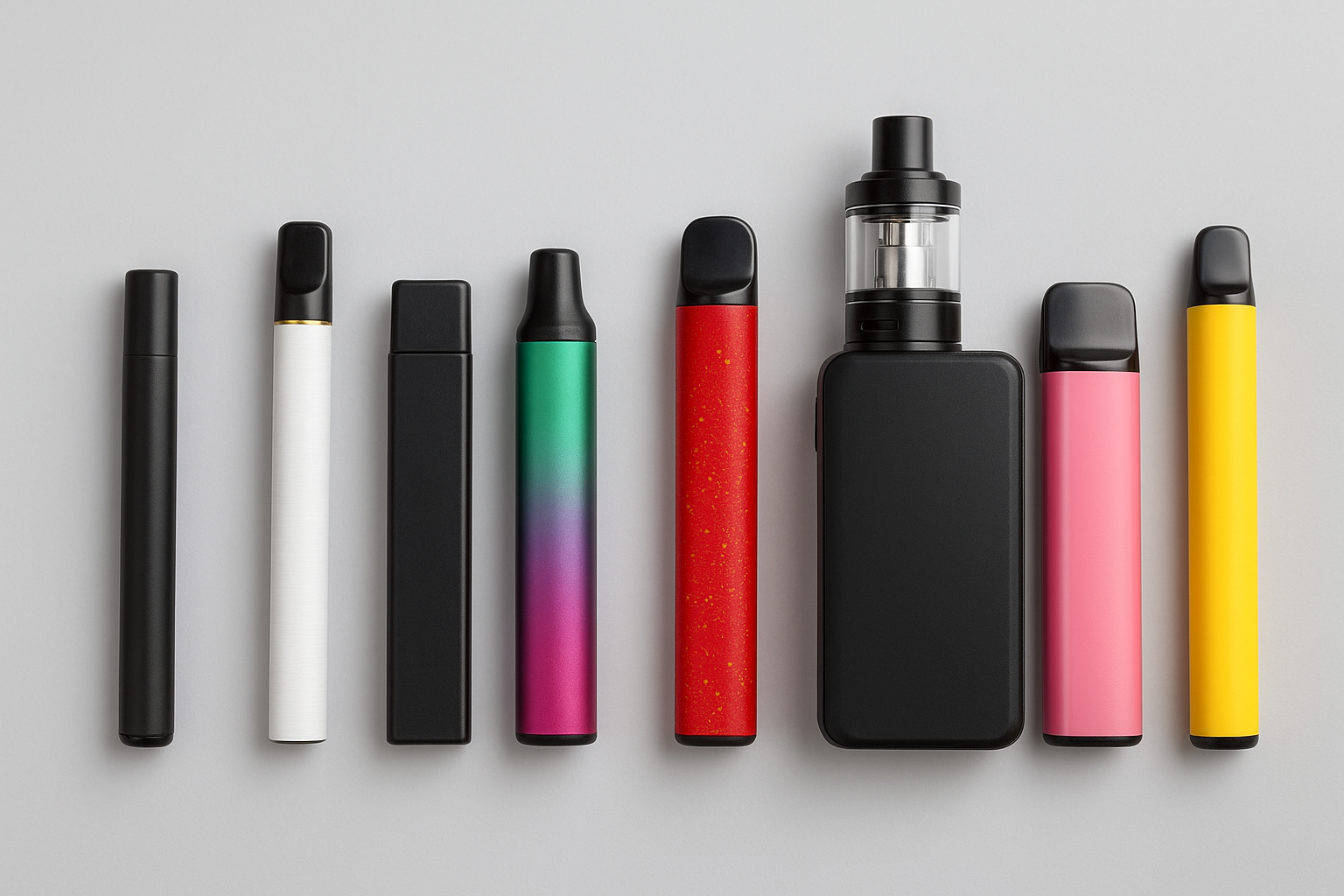
Most first-time confusion comes from treating all vapes as interchangeable. They are not. A disposable, a pod system, and a vape pen can all perform the same basic function, but they create very different ownership experiences.
| Device type | How it works | Main tradeoff | Upkeep level |
|---|---|---|---|
| Disposable vape | Battery, liquid, coil, and mouthpiece are built into one unit and discarded after use. | Simple to understand, but usually more waste and less user control. | Lowest while in use; disposal matters afterward. |
| Pod system | A rechargeable battery works with replaceable or refillable pods. | More reusable than a disposable, but pods still need replacement or refilling. | Low to moderate. |
| Vape pen | A pen-shaped rechargeable device, often with a refillable tank or cartridge-style setup. | More control over liquid and parts, but more cleaning and coil/tank awareness. | Moderate. |
The decision rule is straightforward: the less you maintain, the less you usually control. The more reusable the device, the more you need to understand charging, filling, coil wear, and storage.
Disposable vapes: easy format, bigger disposal question
A disposable vape is designed as a closed unit. The liquid is prefilled, the battery is built in, and the user typically does not refill the device. Some versions are rechargeable, but the core idea stays the same: once the liquid or device life is finished, the unit is discarded.
This format is easy to recognize and easy to misunderstand. The convenience can make the device feel simple, but it still contains electronics, a battery, a heating element, and chemical ingredients in the liquid. VapeFree highlights that disposable vapes commonly contain a lithium battery and raises environmental concerns around single-use devices. That source matters because it points to a cost that is not visible at the counter: disposal and waste handling.
For a first-device comparison, disposables answer one concern well: minimal setup. They answer another concern poorly: long-term control. You generally cannot change much about the liquid, the coil, the airflow, or the nicotine format after purchase. If something about the draw, flavor intensity, or strength feels wrong, there is little to adjust.
A common mistake is assuming disposable means unregulated or automatically compliant. In the United States, for example, retail availability is not the same thing as FDA marketing authorization. For a deeper explanation of that distinction, see this educational guide on what disposable vapes are FDA approved versus merely sold in stores.
Pod systems: the middle ground many shoppers notice
Pod systems sit between single-use convenience and refillable device control. A pod system usually has a rechargeable battery body and a small pod that either comes prefilled or can be refilled, depending on the design. When the pod is empty, worn, or no longer performing properly, the pod is replaced or refilled rather than throwing away the entire battery device.
The practical appeal is that pods reduce some of the learning curve. You still need to charge the device and understand when a pod is finished, but you may not need to handle a larger tank, separate coil installation, or detailed settings. The tradeoff is dependency on pod compatibility. A pod is not a universal part; different systems use different shapes and connections.
For someone comparing categories, the useful question is not which pod system is popular. It is: do you want a closed format or a refillable format?
- Closed pods are simpler but offer less flexibility because the liquid is already chosen.
- Refillable pods allow more choice of liquid, but require filling carefully and replacing pods when the coil wears out.
The maintenance signal to watch is performance change. A pod or coil that tastes burnt, leaks, or produces weak vapor may be at the end of its usable life. Do not try to repair sealed components or modify a device to force more use from it.
Vape pens: more flexible, less hands-off
Vape pens are typically slim, rechargeable devices with a tank, cartridge, or refillable section. The name comes from the shape, not a single universal design. Some are very simple, while others allow more control over airflow, replaceable coils, or power settings.
The advantage is flexibility. Compared with many disposables and closed pods, a pen-style refillable setup can give the user more choice over liquid type and replacement parts. The tradeoff is that mistakes become easier: overfilling, using an incompatible liquid, ignoring coil wear, or charging carelessly can lead to leaks, burnt taste, poor performance, or device problems.
The decision rule here is practical: do not choose a more adjustable format unless you are willing to learn the basics of filling, charging, cleaning, and part replacement. A vape pen can look straightforward, but it asks more from the owner than a sealed disposable.
It is also worth separating vape pens from dry-herb vaporizers. Some people use the word vape broadly for devices that heat cannabis flower, extracts, or other substances. This article is about e-cigarette-style devices that use e-liquid. Using a device for unintended substances or modified liquids can introduce serious unknowns and may be illegal depending on location.
Nicotine format changes the experience more than many beginners expect
The device is only half the picture. The liquid inside shapes the experience, too. E-liquids may contain nicotine, flavorings, and carrier ingredients. Some liquids use nicotine salts; others use freebase nicotine; some are sold without nicotine. The right factual takeaway is not that one format is universally better. It is that the nicotine form and concentration can change how strong the experience feels and how the device is intended to be used.
Higher-strength liquids are often associated with smaller, lower-power devices such as many pod systems and disposables, while lower-strength liquids are often used in larger refillable devices that produce more aerosol. This is a general category pattern, not a rule for every device. Always read labeling carefully and check local regulations, especially because nicotine products are age-restricted in many places.
Avoid a common beginner error: choosing based only on flavor or device shape. If nicotine is present, strength and format deserve at least as much attention as appearance. If you do not currently use nicotine, starting a nicotine product carries addiction risk and should not be treated as a casual lifestyle purchase.
Cost is not just the first price you see
Without naming prices, the cost pattern is easy to compare. Disposables often have a low setup burden because there are no separate parts to buy at the beginning. Over time, however, replacing a whole device repeatedly can add up and creates more battery-containing waste. Pod systems move some of the cost into replacement pods. Vape pens move more of the cost into liquid, coils, tanks, or other replaceable parts.
Think in terms of three cost buckets:
- Starting cost: what is needed to begin using the format.
- Ongoing cost: what must be replaced regularly.
- Mistake cost: what happens if the format is not a good fit, leaks, tastes wrong, or requires more maintenance than expected.
The cheapest-looking option is not automatically the lowest-cost option over time. The most adjustable option is not automatically economical if the user dislikes maintenance or buys incompatible parts. For informational comparison, the better question is: which cost pattern are you prepared for?
Compliance, labeling, and origin deserve a cautious reading
Vapes are regulated products in many markets, and the details vary by country, state, and product category. Age restrictions, nicotine limits, labeling rules, tax rules, and authorization requirements can differ. Do not assume that a product is compliant simply because it is colorful, widely available, or sold in a familiar retail setting.
Two buyer assumptions are especially risky:
- Made in a certain country means automatically compliant. Country of origin can matter for supply chain questions, but it does not answer every question about ingredients, authorization, labeling, or testing. For more context, this educational article explains what can and cannot be inferred from disposable vapes made in the USA versus imported devices.
- Sold in stores means officially authorized. Availability and authorization are separate issues in some markets, especially in the U.S. context.
Practical check: look for clear labeling, nicotine information, manufacturer or importer details, required warnings, and local compliance information. If those basics are missing or unclear, that is a reason to pause rather than guess.
Health and safety framing: what this article can and cannot say
Public health sources are careful about vaping because the risk picture depends on the user, device, liquid, nicotine content, and comparison point. The BfR’s plain warning that e-cigarettes are not harmless is useful because it prevents a common misconception: no tobacco combustion does not equal no health concern. Drugcom also frames vapes as devices that may contain nicotine, which matters because nicotine can be addictive.
If you are comparing device types, keep these safety-minded rules in view:
- Do not use products intended for adults if you are under the legal age in your location.
- Do not modify a device, refill a sealed disposable, or use unknown liquids.
- Keep nicotine-containing liquids away from children and pets.
- Follow charging instructions and avoid damaged batteries or chargers.
- Dispose of battery-containing devices through appropriate local e-waste or hazardous-waste channels when required.
These are not performance tips; they are basic guardrails for a regulated electronic nicotine category.
A simple first-device decision shortcut
If you are only trying to understand the category before making any purchase decision, compare the formats by the job they ask you to do.
- If you want the least setup: a disposable format is the simplest to understand, but it gives the least control and creates the clearest waste issue.
- If you want a reusable body with limited upkeep: a pod format is often the middle ground, with replacement or refillable pods as the main ongoing task.
- If you want more control over liquid and parts: a vape pen format may offer that, but it requires more attention to filling, coils, compatibility, and cleaning.
The shortcut is not about choosing a winner. It is about matching the device format to your tolerance for maintenance, your need for control, your budget pattern, and your responsibility to check local rules and labeling.
FAQ
Is a vape the same as an e-cigarette?
In everyday use, the terms often overlap. Vape is a broader informal term derived from vaporizer, while e-cigarette is the more specific term commonly used for electronic cigarette-style devices that heat e-liquid.
Do vapes produce water vapor?
No. The visible cloud is more accurately described as an aerosol. Public information sources such as VapeFree emphasize this distinction because aerosol can contain substances from the liquid and heating process.
Are disposable vapes simpler than pods or pens?
They are usually simpler during use because they are prefilled and self-contained. The tradeoff is less adjustment, more single-use waste, and the need to handle battery-containing disposal responsibly.
Why do some vapes need coils or pods replaced?
The heating element and wick are wear parts. Over time, performance can change, flavor can degrade, or a burnt taste can appear. Sealed disposable devices generally do not allow part replacement; pod and pen formats often do.
Can a first-time shopper judge a vape by appearance?
Appearance is a poor shortcut. Device type, nicotine information, liquid format, labeling, compliance status, charging design, and maintenance needs matter more than color, size, or packaging style.
Useful next steps for learning, not shopping
Before looking at any device, learn the category language: disposable, pod, refillable, nicotine salt, freebase nicotine, coil, tank, and authorization. Then check adult-use rules and product labeling requirements in your location. That preparation makes the first-device decision less about guesswork and more about understanding the tradeoffs in front of you.
Related Guides in best vapes for beginners
These related guides connect this article to the site's broader topic map.


