
Was Ist Vapen and How Is It Different From Smoking?
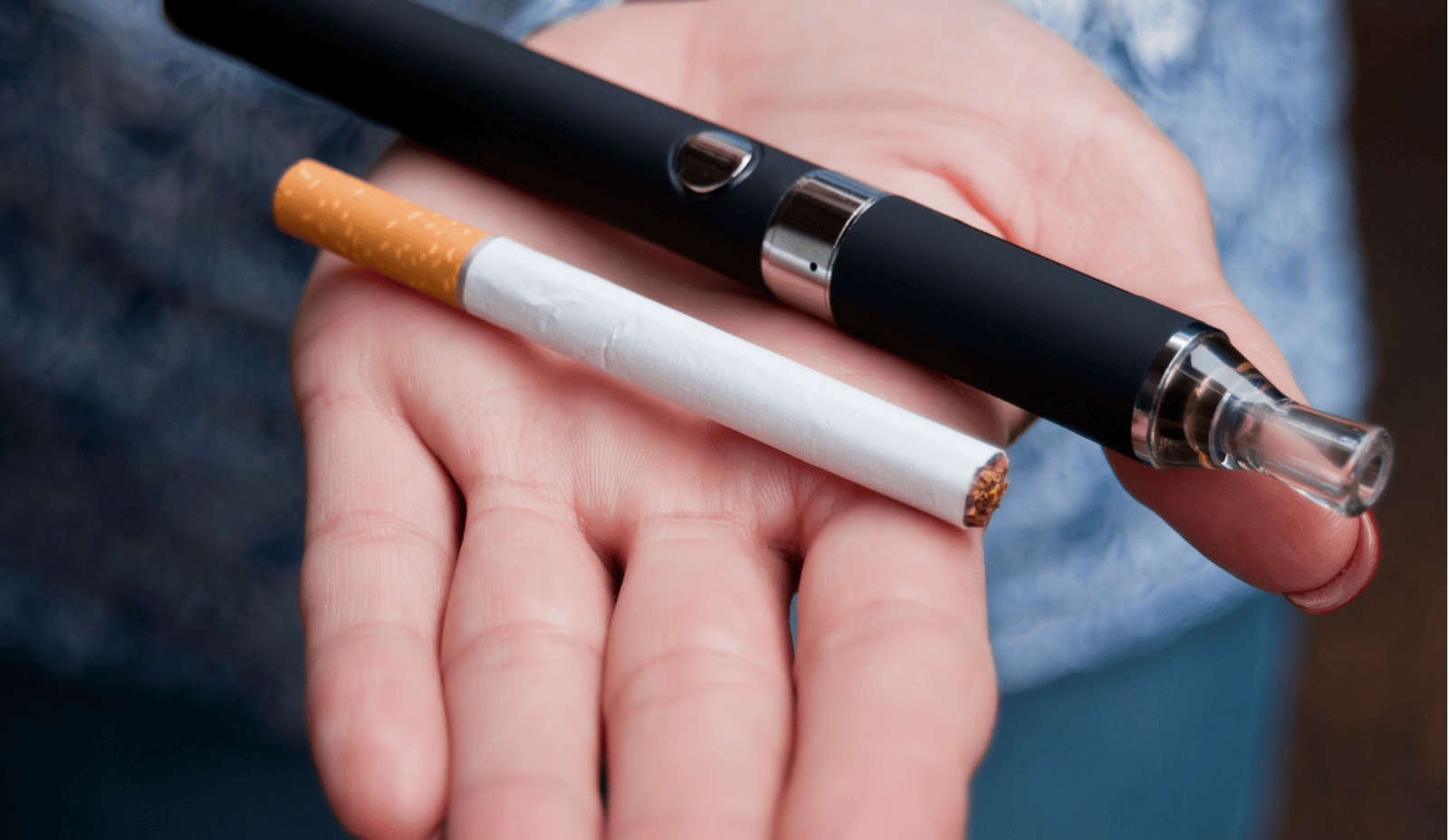
Many people first understand vaping by placing it next to smoking: both can involve inhaling nicotine, both can become a habit, and both raise health concerns. The important difference is the process. Smoking burns tobacco and creates smoke; vaping heats a liquid and creates an aerosol. That aerosol is not simply clean water vapor, and it can contain nicotine, flavorings, and other chemicals.
Quick answer: what people mean by “vapen”
“Vapen” is the common Germanized form of “to vape,” meaning to use an electronic cigarette or similar device to inhale an aerosol. In German, you will also hear “dampfen,” although health authorities often avoid calling it harmless “steam” because the inhaled cloud is an aerosol, not plain water vapor. The device typically has a battery, a heating element, and a place for e-liquid, such as a pod, cartridge, or tank.
The Texas Department of State Health Services is useful here because it gives a plain beginner definition: vaping is inhaling an aerosol made by an electronic device, and the devices can look very different while using similar basic parts. The National Institute on Drug Abuse adds the health-context point that these devices are battery-operated and typically heat liquids that may contain nicotine, flavorings, and other chemicals.

The basic mechanism: heating liquid instead of burning tobacco
The clearest way to separate vaping from smoking is to look at what happens before anything is inhaled.
- Smoking: tobacco is burned. Combustion creates smoke, ash, tar-related byproducts, carbon monoxide, and a strong lingering odor.
- Vaping: a battery powers a heating element. The element heats e-liquid until it forms an aerosol that can be inhaled.
This difference matters because many of the most harmful exposures from cigarettes are linked to burning tobacco. But it does not make vaping harmless. A common beginner mistake is to hear “no smoke” and assume “no risk.” The more accurate rule is: no combustion is a meaningful difference, but inhaling aerosolized chemicals can still affect the body.
Another practical difference is residue. Cigarette smoke tends to cling strongly to clothes, hair, upholstery, and indoor spaces. Vape aerosol usually smells different and often fades faster, especially when flavored, but it is still an emitted aerosol. In shared spaces, the considerate rule is simple: if smoking is not welcome, do not assume vaping is welcome either.
Vaping vs. smoking at a glance
A short comparison helps because the two habits can look similar from the outside while working differently inside the device.
| Question | Smoking | Vaping |
|---|---|---|
| What is heated? | Tobacco is burned. | E-liquid is heated by a battery-powered element. |
| What is inhaled? | Smoke from combustion. | Aerosol, often containing nicotine, flavorings, and other chemicals. |
| Is nicotine always involved? | Usually yes with tobacco cigarettes. | Often, but not always; some liquids are nicotine-free. |
| Does it produce ash? | Yes. | No ash from tobacco combustion. |
| Does it smell the same? | Typically strong tobacco smoke odor. | Often different; may smell sweet, minty, or flavored, but still noticeable. |
| Is it risk-free? | No. | No. Health authorities do not treat vaping as harmless. |
The decision point is not “smoke or nothing.” It is “what substance is being inhaled, how often, with how much nicotine, and by whom?” That is especially important for young people, non-smokers, pregnant people, and anyone with health concerns.
What is inside vape aerosol?
E-liquids vary, but most discussions focus on a few common categories: nicotine, carrier liquids, flavorings, and other chemicals that may be present or formed during heating. The exact mix depends on the liquid and device conditions.
Nicotine: the habit-forming part many readers underestimate
Nicotine is a key reason vaping and smoking often get compared. It can reinforce repeated use and can create dependence. Some vaping liquids contain nicotine; others do not. The label or stated nicotine strength matters, but beginners often misunderstand it because nicotine can be listed in different ways depending on the market and format.
A practical rule: if someone does not already use nicotine, vaping nicotine adds a dependence risk rather than removing one. If someone already smokes, the question becomes more complicated and is better discussed with a qualified health professional, especially if the goal is quitting nicotine altogether.
Flavorings: appealing does not mean harmless
Flavors are one reason vaping can feel very different from smoking. A cigarette usually tastes and smells like tobacco smoke; a vape may smell like mint, fruit, dessert, or another flavor. That can reduce the social cues people associate with smoking, but it can also make vaping feel less serious than it is.
The mistake to avoid is judging risk by scent. A sweet or mild smell does not tell you whether nicotine is present or whether the aerosol is safe to inhale.
“Vapor” is the everyday word, but aerosol is more precise
People say “vape vapor” because it is easy language. Health agencies often use “aerosol” because the cloud can contain tiny particles and chemicals, not just water. The Texas DSHS page is helpful on this point because it explicitly distinguishes vaping aerosol from simple water vapor.
Is vaping just another kind of smoking?
Not technically. Smoking requires combustion; vaping does not. That is the core scientific and mechanical difference. But from a behavior point of view, the two can overlap: hand-to-mouth action, inhalation, nicotine use, social breaks, cravings, and routines can all look familiar.
This is why the answer depends on what you are asking:
- If you mean the device process: vaping is different from smoking because it heats liquid instead of burning tobacco.
- If you mean nicotine habit: vaping can be similar, especially when nicotine-containing liquids are used frequently.
- If you mean health impact: vaping is not the same exposure as cigarette smoke, but it is not harmless.
- If you mean public spaces: many places treat vaping similarly to smoking for courtesy, safety, or legal reasons.
That distinction prevents two common overcorrections: calling vaping “the same as smoking” ignores combustion differences; calling it “just flavored water vapor” ignores aerosol chemistry and nicotine dependence.
Risk framing: less smoke does not mean no concern
For readers comparing vaping with cigarettes, risk is usually the real question. The careful answer is that vaping and smoking expose the body to different mixtures. Cigarette smoke is produced by burning tobacco. Vape aerosol is produced by heating liquid. Those differences may change the type and level of exposure, but they do not turn vaping into a neutral habit.
The NIDA resource is worth reading because it frames vaping devices in public-health terms rather than lifestyle terms. It discusses how devices work, how nicotine affects the brain, and why health effects remain a concern. That matters for beginners because product appearance can make vaping look simpler than it is: a small device can still deliver nicotine.
The German Cancer Information Service is also relevant for readers asking about smoking-related cancer risk. Its framing is useful because it separates the question “is it the same as smoking?” from the broader question “does inhaling vape aerosol carry risk?” For health decisions, that distinction is more useful than slogans.
Why vaping can feel different from smoking in everyday use
Beyond chemistry, vaping changes the experience. These differences help explain why people are curious about it and why confusion is common.
Smell and visibility
Vape aerosol often smells less like traditional smoke and may dissipate more quickly. That can make vaping feel discreet. But “less smoky” does not mean invisible to others. In cars, small rooms, and shared housing, the aerosol and scent can still bother people nearby.
Device shape
Smoking devices are easy to recognize. Vaping devices can look like pens, USB drives, small boxes, or slim disposable devices. The Texas DSHS page notes that vapes can be hard to identify because they come in many shapes. This matters for parents, schools, workplaces, and anyone trying to understand what they are seeing.
Nicotine pacing
A cigarette has a natural endpoint: it burns down. A vape may not have the same obvious stop signal. That can change use patterns. Someone may take a few puffs, stop, and return repeatedly. For nicotine-containing vaping, frequency matters as much as the device itself.
Flavor and perception
Flavors can make vaping seem less harsh than smoking. That may change how beginners interpret risk. A useful rule is to separate sensory feel from health impact: smoothness, sweetness, or a lack of tobacco smell is not a safety measurement.
Youth, age rules, and why the topic is regulated
Vaping is not only a smoking-alternative topic; it is also a youth-access topic. News coverage in Germany and elsewhere has increasingly focused on school use, bright packaging, and flavors that may appeal to younger people. Those reports are useful as social context: they show why parents, teachers, and regulators are paying attention. They should not be used as medical proof, but they do reflect real public concern.
Age rules vary by country and region, and they can change. The Texas DSHS source, for example, highlights a 21-year age rule in its jurisdiction. In other places, the exact legal age and retail rules may differ. The practical rule is not to assume legality from online content or packaging. Check the rules where you live, especially for purchasing, possession, advertising, and use in public or workplaces.
For adults, the youth issue still matters because it shapes regulation and social norms. Disposable formats, flavored liquids, and discreet device shapes often sit at the center of policy debates. That does not make every adult user the same, but it explains why vaping is treated as a regulated nicotine category rather than a casual gadget trend.
Environmental and disposal concerns beginners often miss
Vaping devices are electronic items, not paper wrappers. Many contain batteries, metal parts, plastic, and leftover liquid. Disposable devices raise an obvious waste concern because the battery and device are discarded after use. Refillable or rechargeable formats have different waste patterns, but they still require responsible handling.
The practical rule is simple: do not throw vape devices or batteries into ordinary litter or leave them where children or pets can access them. Follow local guidance for battery and electronic waste disposal. This is not a small detail; it is part of understanding what vaping is as a product category: a nicotine or non-nicotine inhalation device plus an electronic waste stream.
Questions to ask before trying or judging vaping
If you are trying to make sense of vaping for yourself, a family member, or a policy discussion, these questions cut through most confusion:
- Is nicotine involved? Nicotine changes the risk conversation because of dependence.
- Who is using it? Risks and guidance differ for adults who smoke, non-smokers, young people, pregnant people, and people with health conditions.
- What is the goal? Curiosity, social use, replacing cigarettes, and quitting nicotine are not the same goal.
- How often is it used? Occasional experimentation and repeated daily use have different implications.
- Where is it used? Shared air, workplace rules, schools, cars, and homes with children all change the social and legal context.
- How will it be disposed of? Batteries and leftover liquid need more care than cigarette ash.
These questions do not tell anyone what to do. They make the discussion more honest, which is useful at the top of the learning curve.
Common misunderstandings, corrected
“It is only water vapor.”
No. The inhaled cloud is more accurately described as aerosol. It may contain nicotine, flavorings, and other chemicals depending on the liquid and device.
“No tobacco means no addiction risk.”
Not necessarily. Nicotine can be present even when no tobacco leaf is burned. If the liquid contains nicotine, dependence is a relevant concern.
“Vaping and smoking are exactly the same.”
They are not the same mechanically. Smoking burns tobacco; vaping heats liquid. But both can involve inhalation, nicotine, repeated use, and exposure concerns.
“A better smell means it is safe indoors.”
Not a reliable rule. Smell is a comfort cue, not a safety assessment. Shared-space rules and other people’s preferences still matter.
FAQ
What does “was ist vapen” mean in plain English?
It means “what is vaping?” Vaping is using an electronic device to heat e-liquid and inhale the resulting aerosol.
Does vaping always contain nicotine?
No. Some liquids are nicotine-free, but many contain nicotine. Because labels and strengths vary, it is important to check rather than assume.
Is vaping the same as smoking cigarettes?
No. Cigarettes burn tobacco; vapes heat liquid. The habit can feel similar because both may involve inhaling nicotine, but the process and exposure mix are different.
Is vape aerosol harmless?
Health authorities do not describe it as harmless. It is not just water vapor, and it can contain nicotine, flavorings, and other chemicals.
Can vaping help someone quit smoking?
Some adults consider vaping while trying to move away from cigarettes, but quitting guidance is personal and depends on health history, nicotine dependence, and local medical recommendations. A healthcare professional or smoking-cessation service is the better source for a plan.
The useful takeaway
Vaping is meaningfully different from smoking because it heats liquid rather than burning tobacco. That difference affects smell, residue, device design, and the chemicals produced. The overlap is nicotine and inhalation: many vapes can still deliver an addictive substance, and the aerosol is not harmless air. If you keep those two truths together, the subject becomes much easier to judge without overstatement.


