
Puff vs. Pod: Making the Right Choice for Your Vaping Needs
If you are weighing puff oder pod, the fastest shortcut is this: choose a puff-style disposable only if you want the least setup and accept higher replacement waste and less control. Choose a pod system if you expect to vape regularly and want better control over nicotine, flavour, and ongoing expenses. The real decision is not which format looks simpler on day one, but which tradeoff you can live with after a few weeks.
The practical difference: disposable convenience versus reusable control
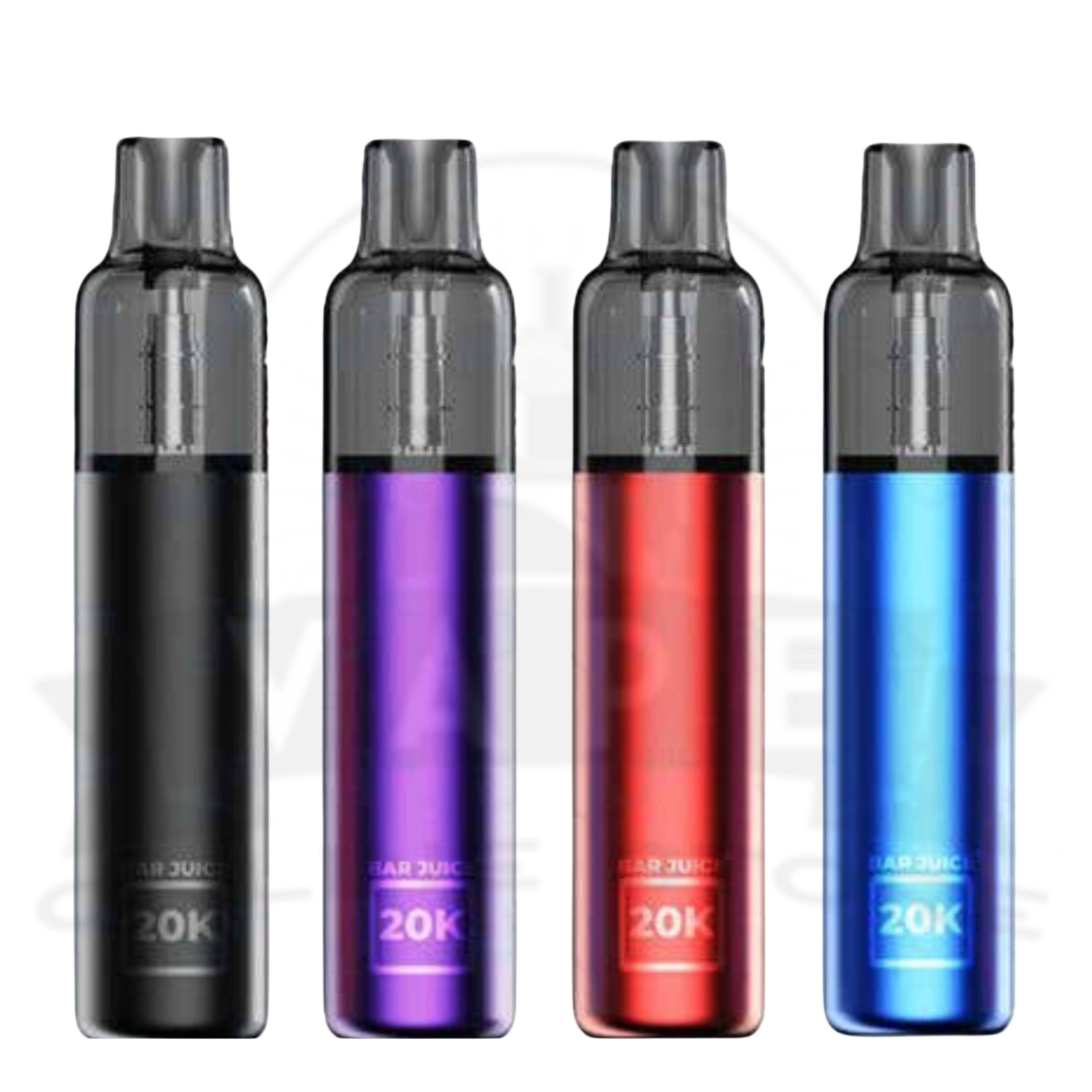
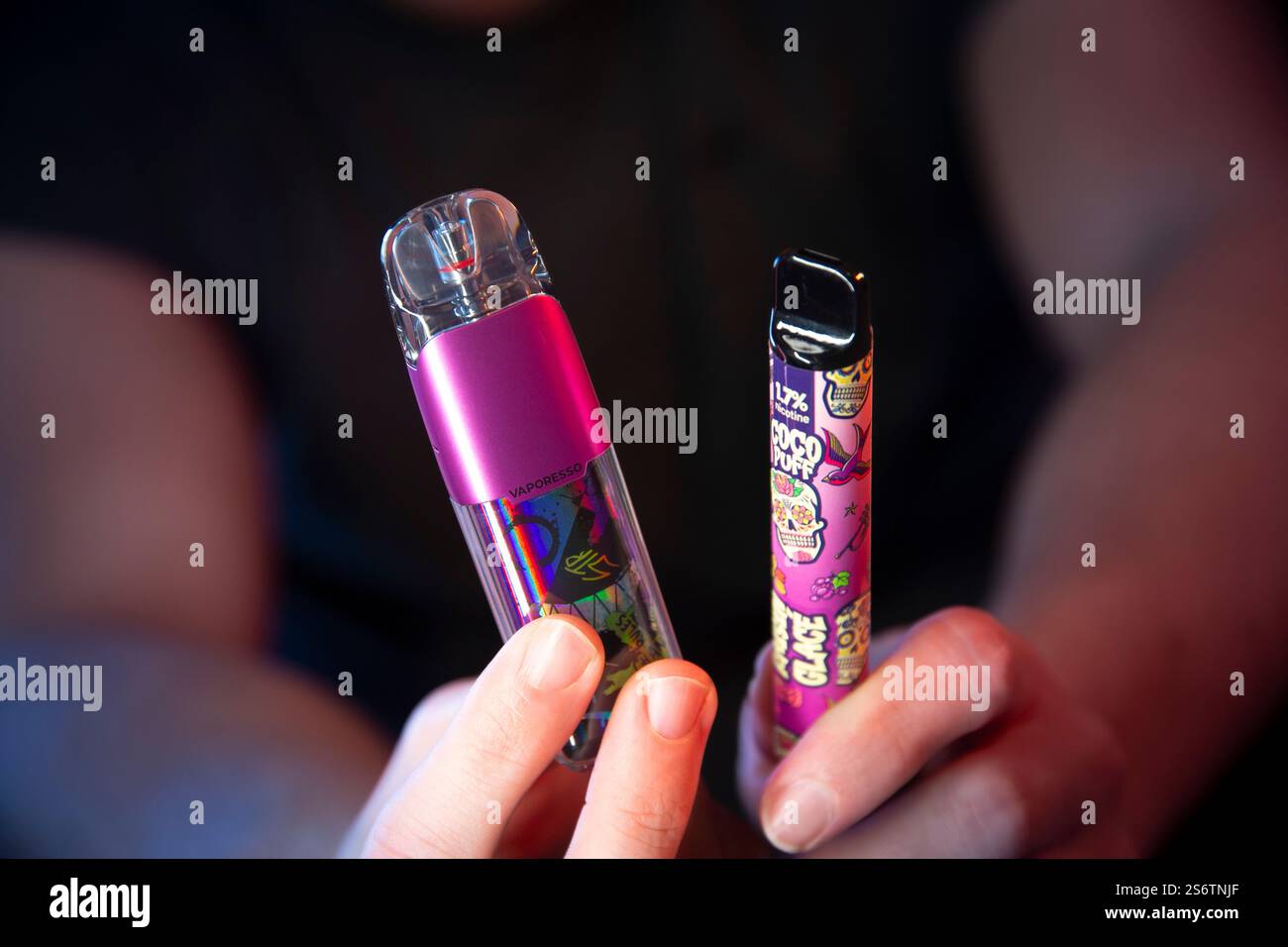
“Puff” usually refers to a disposable or semi-disposable vape sold with a stated puff count. The device is prefilled, prebuilt, and designed to be used until the e-liquid, coil, or battery life is finished. Some higher-capacity versions are rechargeable, but they are still not the same as a refillable pod system.
A pod system is a reusable device that works with replaceable or refillable pods. The battery device stays with you; the pod or coil is changed when performance drops, or the pod is refilled when empty. This adds a little maintenance, but it also gives you more say over nicotine strength, e-liquid type, flavour rotation, and how often you create device waste.
For a beginner, the important question is not “Which one is better?” It is “How much responsibility do I want for charging, refilling, cleaning, and choosing nicotine?” If the answer is “almost none,” puff systems feel easier. If the answer is “some, if it saves money and waste over time,” pods deserve closer attention.
Key differences at a glance
| Decision point | Puff systems | Pod systems |
|---|---|---|
| Setup | Usually ready to use with little or no assembly. | Requires charging and either inserting, replacing, or refilling pods. |
| Control | Limited to the flavours and nicotine levels already offered in that device. | More flexibility, especially with refillable pods and different nicotine strengths. |
| Consistency | Simple at first, but flavour and vapour can fade as the device nears the end. | More consistent if pods or coils are replaced before they taste burnt or weak. |
| Maintenance | Minimal during use; disposal is the main responsibility. | Requires basic care: charging, pod changes, occasional cleaning, and proper storage. |
| Long-term budget | Easy to underestimate because each replacement feels like a small purchase. | Often easier to calculate because the device is reused and running costs are separated. |
| Waste | More device waste, especially with non-refillable disposables. | Less whole-device waste, though pods, coils, bottles, and packaging still need attention. |
Cost over time: why the cheapest first choice may not stay cheap
The long-term cost comparison between puff and pod systems depends on how often you vape, how accurately a device delivers its advertised puff count, and how much you pay for replacements or refills. A disposable can look inexpensive at checkout, but frequent replacement changes the calculation quickly.
A useful way to compare expenses is to ignore marketing impressions and calculate your own weekly cost:
- Estimate how many days one puff device realistically lasts you, not how many puffs the label claims.
- Divide the device price by those days to get an approximate daily cost.
- For pods, add the cost of replacement pods or coils and e-liquid over the same number of days.
- Include the reusable device cost separately, then spread it across the period you expect to use it.
This method matters because puff counts are estimates, not promises. They can be affected by puff length, power output, e-liquid capacity, battery behaviour, and how the device is used. If you are evaluating high-capacity disposables, the educational guide on whether a high puff disposable vape is worth it explains why puff count alone is a weak value signal.
For light or occasional adult users, a disposable may remain a low-commitment option because replacement is infrequent. For daily users, the repeated purchase cycle can become the bigger budget issue. Pod systems usually require more effort at the start, but they make ongoing costs easier to see: pods, coils, and e-liquid are separate line items instead of being hidden inside a full device replacement.
Environmental considerations: what happens after the device is empty?
Disposable vapes create a specific sustainability problem because the battery, plastics, metals, electronics, and e-liquid residue are built into one short-life item. Even rechargeable puff devices can still become waste once the liquid or coil system is finished. That is different from a pod setup where the battery device is reused and only pods, coils, or bottles are replaced.
This does not make pods waste-free. Closed pods still create cartridge waste. Refillable pods eventually wear out. E-liquid bottles and packaging also need disposal. The difference is scale and separation: reusable systems can reduce how often an entire electronic device is thrown away, while disposables concentrate convenience and waste in the same object.
Responsible disposal is not always obvious because used vapes are not ordinary rubbish. They may contain lithium batteries, electronics, and nicotine residue. The safest practical step is to check local e-waste or vape recycling guidance in your area and avoid treating used devices like simple household trash. If a shop, municipality, or recycling point accepts small electronics or vape devices, follow their instructions for batteries and liquids.
If sustainability is a major decision factor for you, ask three questions before choosing a format:
- Will I be throwing away a complete device every few days or weeks?
- Is there a clear local recycling route for used disposables, pods, and batteries?
- Am I willing to do the small maintenance tasks that reduce device replacement?
Choosing a nicotine level without guessing
Nicotine level selection is one of the biggest beginner decision blockers because the wrong strength can make either format feel unsuitable. Too high may feel harsh or uncomfortable. Too low may lead to constant puffing and dissatisfaction. The goal is not to chase the strongest option; it is to choose a level that matches your existing nicotine tolerance and lets you use the device predictably.
If you do not currently use nicotine, there is no practical reason to start. Nicotine is addictive, and vaping products are intended for adults where legally permitted. If you are switching from cigarettes or another nicotine product, your previous use pattern is the starting point: heavier nicotine use generally points toward a higher strength than very occasional use, but exact needs vary by person and device type.
Beginners should check three things before committing:
- Nicotine strength format: Labels may use mg/ml or percentages. Make sure you understand what the number represents before comparing options.
- Device intensity: A smoother, efficient device can deliver nicotine differently from a harsher or weaker one, even at the same labelled strength.
- Your usage pattern: Short occasional sessions and frequent all-day use may call for different strengths.
Pod systems usually make adjustment easier because you can often choose from more nicotine levels, especially with refillable setups. Puff systems may be simpler, but you are limited to the strengths available in that exact format. Nicotine-free options may exist in some puff ranges, but availability varies, so verify the label rather than assuming every flavour comes in zero nicotine.
For a broader beginner framework, the educational guide on choosing your first puff is useful because it focuses on responsibility, nicotine, and format fit rather than just device appearance.
Pros and cons of puff systems
Puff systems are popular because they remove friction. There is no tank to fill, no coil to understand, and usually no menu to learn. That can be helpful for someone who wants a simple trial format or who does not want to maintain a reusable device.
Advantages
- Low learning curve: Most are ready to use, which reduces beginner confusion.
- Predictable first experience: The device, flavour, coil, and liquid are already matched by the manufacturer.
- No refilling mess: There is less chance of spilling e-liquid or using the wrong refill.
- Convenient backup format: Some adult users treat them as occasional devices rather than daily systems.
Disadvantages
- Less control: You cannot easily fine-tune nicotine strength, airflow, flavour intensity, or e-liquid type.
- Potentially higher long-term expenses: Frequent replacement can cost more than it appears from a single purchase.
- More waste: Empty devices include electronics and battery components that need proper disposal.
- Puff count uncertainty: Advertised counts are estimates and may not match your personal use.
If you are mainly comparing puff numbers, read carefully before treating a larger number as automatically better. The guide on why a 10000 puff disposable may not last as long as expected explains the practical reasons advertised counts can differ from real use.
When a pod system makes more sense
A pod system becomes more appealing when vaping is not a one-off experiment. Regular use makes refilling, pod changes, and charging feel less like chores and more like normal upkeep. The benefit is that you can adjust the system instead of replacing the entire device whenever your needs change.
Pods are also better suited to people who want a clearer path to nicotine adjustment. If one strength feels too strong or too weak, a refillable pod setup may let you step up or down without changing the whole device category. Closed pod systems are less flexible than refillable ones, but they still separate the reusable battery from the replaceable liquid-containing part.
The tradeoff is maintenance. Pods can leak if handled poorly, taste burnt if used too long, or perform badly if the wrong liquid is used. None of that makes them difficult, but it does mean the user has to pay attention. If you want to understand the middle ground between disposable convenience and more advanced control, the guide to smart vape pod systems offers a helpful educational comparison.
A simple decision framework
Use these questions to narrow the choice without getting distracted by branding, flavour lists, or oversized puff claims:
- How often will you use it? Occasional use may favour convenience; daily use makes long-term expenses and waste more important.
- Do you want to adjust nicotine? If yes, pods usually provide a clearer adjustment path.
- Can you recycle or dispose of used devices responsibly? If not, repeated disposables create an unresolved waste problem.
- Are you willing to maintain a device? If charging, refilling, and replacing pods sound unacceptable, a pod system may frustrate you.
- Are you comparing real cost or shelf price? Always calculate cost over several weeks, not one device at a time.
For most readers, the decision is less about technology and more about habits. A low-maintenance format can be the right fit for limited use, but it becomes harder to justify if it creates frequent replacements, unclear nicotine fit, and no recycling plan.
FAQ: remaining beginner questions
What maintenance do pod systems require?
Basic pod maintenance usually includes charging the battery, replacing or refilling pods, wiping away condensation or minor leaks, and changing worn pods or coils before the flavour tastes burnt. The exact routine depends on whether the pod is closed, refillable, or coil-replaceable.
Are nicotine-free options available in puff systems?
Some puff systems may be sold in nicotine-free versions, but availability depends on the market and the specific device range. Check the label carefully for nicotine strength rather than relying on flavour names, packaging colour, or assumptions.
How do I dispose of used disposable vapes responsibly?
Do not treat a used disposable vape as ordinary litter. Check local guidance for small electronics, batteries, or vape recycling, and use an approved collection route where available. Because disposables can contain batteries and residue, proper disposal is part of the real cost of using them.
The takeaway
If you want the least effort and only expect occasional use, a puff system answers that need with clear limits. If you expect regular use, care about long-term budget, want nicotine flexibility, or dislike throwing away whole devices, a pod system is usually the more practical format to investigate. Before choosing, compare monthly cost, disposal options, nicotine strengths, and the amount of maintenance you are genuinely willing to do.
Related Guides in best vape
You can refer to similar articles..
- Top Rechargeable Puff Brands in Europe for 2025: A Comprehensive Guide
- Is a High Puff Disposable Vape Worth It? Costs, Battery, and Flavor
- Smart Vape Pod Systems: A Comprehensive Guide for 2025
- Why a 10000 Puff Disposable Vape May Not Last as Long as Expected
- Before Buying a 20000 Puff Disposable Vape, Check These 7 Things
- Choosing the Best 20,000 Puff Vape: Features, Flavors, and More
- Choosing Your First Puff: A Beginner's Guide to Vaping
- JNR 16k Puff: Features, Comparisons, and Cost-Effectiveness
- Choosing the Right Puff Count: 10K, 20K, or 40K?
- Avoiding Common Mistakes: A Beginner's Guide to Visiting a Puff
- Versatile Puff Pastry: Recipes for Work, Leisure, and Parties
- Why Some Puff Flavors Are Unavailable and How to Choose Alternatives


