
Was Ist Vapes and Why Do Labels, Puffs, and Nicotine Matter?
You pick up a vape package and see a puff count, a flavor name, a nicotine number, a warning label, and maybe words like disposable, pod, rechargeable, or salt nicotine. The basic question behind the search “was ist vapes” is simple: a vape is an electronic device that heats liquid into an inhaled aerosol. But the package details matter because they shape strength, duration, expectations, and risk.
The quick answer: what a vape is, without the packaging noise
A vape, often called an e-cigarette or electronic cigarette, is a battery-powered device that heats a liquid so the user inhales an aerosol. That liquid may contain nicotine, flavorings, propylene glycol, vegetable glycerin, and other ingredients depending on the device and jurisdiction.
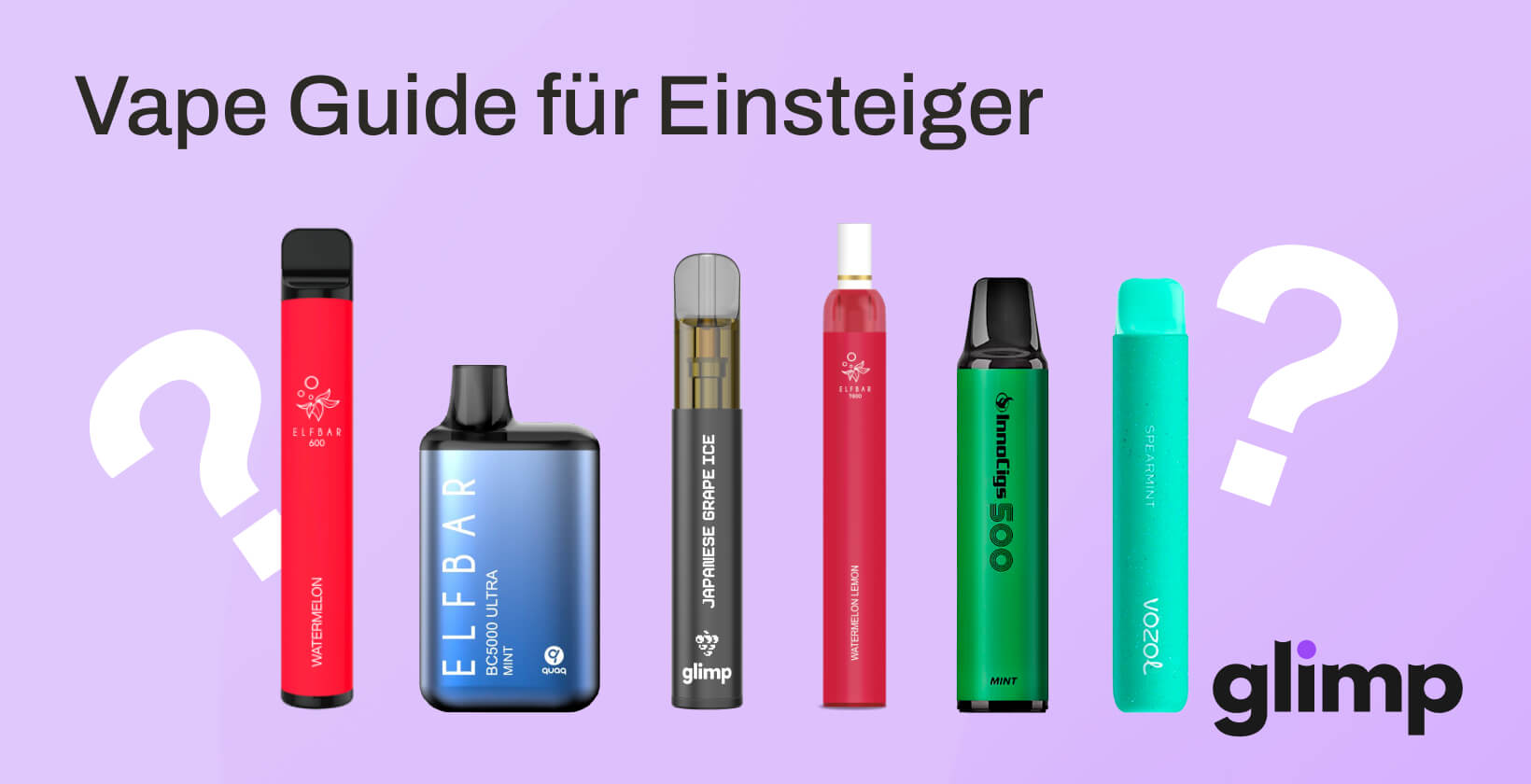
The most useful first distinction is this: the word “vape” describes a broad category, not one single product format. A slim disposable device, a refillable pod system, and a larger vape pen can all be called vapes, but they differ in how the liquid is stored, how the battery is charged, how much control the user has, and how the label presents nicotine and usage information.
A practical rule: do not judge a vape by one number on the front of the package. Puff count, nicotine strength, liquid volume, device type, and warnings need to be read together.
What the label is really trying to tell you
Vape labels can feel more like marketing than instruction, but several details are worth slowing down for. Some explain what is inside the device. Others set expectations about how long it may last. Some are legal or safety warnings. The common mistake is treating the biggest printed claim as the most important one.
Device type: disposable, pod, or refillable system
The device type tells you how the vape is meant to be used. A disposable vape is typically prefilled and discarded when the liquid or battery is depleted. A pod system uses a small cartridge or pod, which may be prefilled or refillable depending on design. A vape pen or tank-style device may involve more user setup, charging, and maintenance.
The tradeoff is convenience versus control. Simpler formats usually require less setup, while refillable or rechargeable formats can involve more decisions about liquid, coils, charging, and cleaning. For a broader category explanation, the educational guide Was Sind Vapes? How to Compare Disposables, Pods, and Vape Pens breaks down these formats without requiring you to decode every label at once.
Liquid volume and ingredients
Liquid volume is usually shown in milliliters, though not every package makes it equally prominent. Volume matters because it affects how much liquid is in the device, but it does not tell the full story. A device with more liquid does not automatically mean the same experience for every user, because puff length, power output, and nicotine concentration all affect actual use.
Ingredients matter for expectation-setting. If a liquid contains nicotine, the label should make that clear. If you are avoiding nicotine, do not rely on flavor name, color, or device style; look for the nicotine statement itself.
Warnings and age restrictions
Vapes are regulated, age-restricted products in many markets, and labels often include nicotine addiction warnings or required compliance language. Treat those warnings as part of the product information, not as fine print to skip. Health-focused sources such as drugcom’s e-cigarette overview discuss dependence and risk in plain public-health terms, which is useful because packaging can make devices look simpler than the substance issue really is.

Puff counts: useful clue, not a personal guarantee
Puff counts attract attention because they look simple. A package may claim a certain number of puffs, and it is natural to read that as “how long this will last.” That is only partly right.
A puff count is usually an estimated usage figure under controlled or assumed puffing conditions. Real use varies. Someone taking short, infrequent puffs may get a different result than someone taking longer or more frequent draws. Device power, airflow, liquid viscosity, battery behavior, and how the estimate was calculated can all affect the number.
| Label detail | What it can tell you | What it cannot promise |
|---|---|---|
| Puff count | A rough estimate of device capacity or expected use | An exact number of inhalations for every person |
| Liquid volume | How much e-liquid is included | How strong each puff will feel |
| Nicotine strength | Nicotine concentration in the liquid | How much nicotine every user will absorb |
| Battery size or rechargeable label | Whether power supply may affect total use | That the liquid and battery will run out at the same time |
A practical reading rule: use puff count as a rough comparison within similar device types, not as a precise usage guarantee across all vapes. Comparing a high-puff disposable to a small pod or a refillable device can be misleading if you ignore liquid volume, nicotine strength, and user behavior.
There is also a disposal concern. Devices with built-in batteries are electronic waste, not ordinary trash. Recent news coverage has highlighted stricter return and disposal expectations for disposable vapes in some markets. The important takeaway is simple: if a vape contains a battery, treat disposal rules seriously and check local guidance.
Nicotine strength is the number to read slowly
If there is one label detail that deserves extra attention, it is nicotine strength. Nicotine affects dependence potential and how intense the product may feel. A flavor name may seem harmless; the nicotine line tells a more important story.
mg/mL versus percentage
Nicotine strength may appear as milligrams per milliliter, often written as mg/mL, or as a percentage. These formats can confuse first-time readers. In simple terms, both describe concentration, but they are not the same visual format. A percentage may look small while still representing a meaningful nicotine concentration.
Decision rule: do not compare nicotine strengths unless the units match or you understand the conversion being used. If one label uses mg/mL and another uses a percentage, pause before assuming one is “light” or “strong” based only on how the number looks.
Nicotine salts versus freebase nicotine
Some labels mention nicotine salts. This refers to a formulation style, not table salt. Nicotine salt liquids are often used in smaller devices and can feel different from freebase nicotine formulations. The important buyer-literacy point is not that one is universally preferable; it is that the nicotine format can affect perceived smoothness and expectation.
A common mistake is assuming a smoother-feeling aerosol must be lower strength. Smoothness, flavor, airflow, and nicotine formulation can affect perception. The label strength still matters.
If you do not already use nicotine
For someone who does not currently use nicotine, the lowest-risk choice is not to start using nicotine products. That is not a sales line; it is a basic health and dependence consideration. Medical and public-health sources, including Helios Gesundheit’s discussion of e-cigarette risks and Herzmedizin’s coverage of vaping and cardiovascular concerns, are useful because they place vaping in a health context rather than treating it only as a gadget category.
Label claims that deserve a second look
Vape packaging often uses short claims because there is little space and the market is crowded. The issue is not that every claim is false; it is that claims can be easy to overread.
- “Rechargeable” means the battery can be charged. It does not necessarily mean the liquid can be refilled.
- “Disposable” usually means the device is not meant for long-term reuse. It still contains electronic components that require responsible disposal.
- “No tobacco” does not automatically mean no nicotine. Nicotine can be present even when there is no tobacco leaf in the device.
- Flavor names describe taste profile, not risk level, nicotine level, or suitability.
- “High puff” claims indicate an estimate, not a fixed personal usage result.
Practical example: if a package highlights a fruit flavor and a large puff number but places nicotine concentration in smaller print, read the nicotine line first. The pleasant flavor does not reduce the importance of concentration, warnings, or age rules.
Compliance language: sold in stores does not always mean what people think
One source of confusion is the assumption that retail availability automatically equals official approval, broad safety clearance, or consistent compliance status. That is not a safe assumption in regulated categories.
In the United States, for example, FDA marketing authorization is a specific regulatory matter, not the same thing as simply seeing a vape behind a counter. The educational article What Disposable Vapes Are FDA Approved vs Just Sold in Stores? explains that difference in more detail. This matters because label literacy is not only about reading nicotine and puff counts; it is also about understanding what a package can and cannot prove.
Country-of-origin language can also be overinterpreted. A phrase such as “made in” or “imported” may tell you something about sourcing or assembly, but it does not answer every question about ingredients, authorization, testing, or legal status. For that specific label issue, see Disposable Vapes Made in USA vs Imported: What Actually Changes.
A simple label-reading order before trying any vape
If you are looking at a vape package for the first time, read it in an order that prioritizes substance and compliance over convenience claims.
- Confirm whether it contains nicotine. Do not rely on flavor, color, or device size.
- Read the nicotine strength and units. Check whether it is shown as mg/mL, a percentage, or both.
- Identify the device type. Disposable, pod, rechargeable, and refillable are not interchangeable terms.
- Treat puff count as an estimate. Do not plan around it as an exact number.
- Look for warnings and local compliance information. Age restrictions and nicotine warnings are central, not optional.
- Consider disposal. Devices with batteries should be handled according to electronic waste or local return rules.
This order helps avoid the most common beginner error: choosing based on flavor and puff number before understanding nicotine exposure and device format.
What readers often misunderstand about vapes
Is vape aerosol just water vapor?
No. The aerosol is produced by heating liquid, and that liquid can contain nicotine, flavorings, carrier liquids, and other constituents. Calling it “water vapor” understates what is being inhaled.
Does no smoke mean no risk?
No. Vapes do not burn tobacco in the same way cigarettes do, but that does not make them harmless. Health sources continue to discuss dependence, respiratory concerns, cardiovascular questions, and youth-use risks. A more accurate framing is that vaping and smoking are different exposure categories, not that vaping is automatically risk-free.
Does a bigger puff count mean a stronger vape?
Not necessarily. Puff count is about estimated use duration or capacity. Strength is more closely tied to nicotine concentration, formulation, device power, and how the person uses it.
Can a nicotine-free label be trusted at a glance?
Read the full label and packaging carefully. If avoiding nicotine is important, verify the nicotine statement rather than assuming from branding or flavor. In regulated categories, unclear labeling is a reason to pause, not guess.
Short FAQ
What does “was ist vapes” mean in plain English?
It is essentially asking, “What are vapes?” A vape is an electronic device that heats liquid into an aerosol for inhalation. The term covers several device types, including disposable devices, pods, and refillable systems.
Why do puff numbers vary so much?
Because puff counts are estimates based on assumed use. Puff length, frequency, device design, battery behavior, and liquid volume all affect real-world results.
Which label number matters most?
For safety and expectation-setting, nicotine strength deserves the closest attention. Puff count may be useful, but nicotine concentration tells you more about the substance exposure the product is designed to deliver.
Are vapes only for people trying to stop smoking?
Some adults view vaping in that context, but that does not mean vaping is appropriate for everyone. People who do not already use nicotine should be especially cautious about starting a nicotine product.
What should I read next if I only know the basics?
Start with device categories, then move to compliance and labeling. The related educational guides linked above cover device formats, origin claims, and FDA authorization language without requiring a purchase decision.
The practical takeaway
A vape is not difficult to define, but the label can be easy to misread. The front of the package may emphasize flavor, puff count, or convenience. The more important details are nicotine content, device type, warnings, and whether claims are specific or vague. If those details are unclear, that is a reason to slow down before trying one.
Related Guides in best vapes for beginners
These related guides connect this article to the site's broader topic map.


