
No ID Vape Hungary Mistakes That First-Time Buyers Often Miss
Quick answer: A quick checkout for no id vape Hungary can feel convenient, especially if it asks only for an email, card, and delivery address. The parts worth checking before you pay are less convenient but more important: Hungary-specific rules, seller legitimacy, delivery handling, payment protection, and whether the site is avoiding age or licensing checks that regulated sellers are expected to take seriously.
The first blind spot: treating “no ID” as just a faster checkout
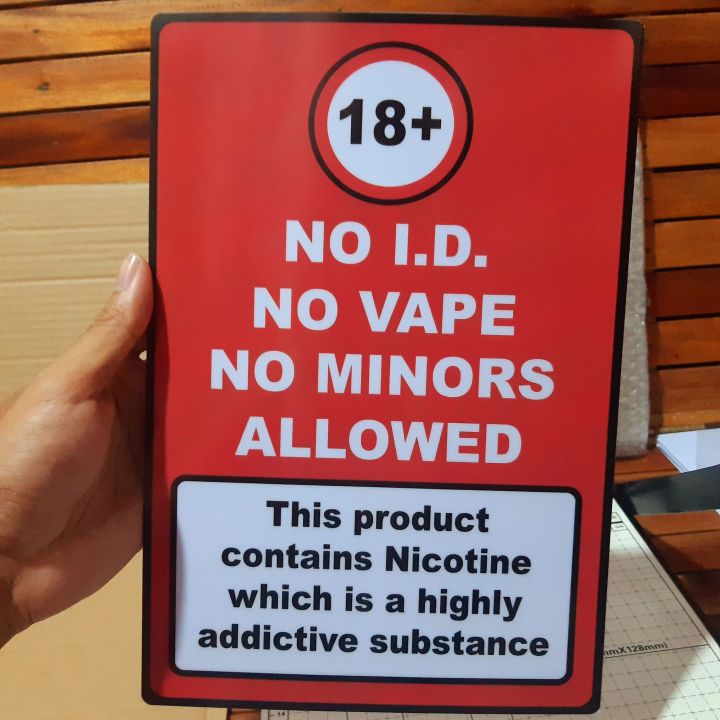
The mistake is assuming a missing ID step is only a customer-experience shortcut. In a regulated category, identity or age checks can also be a sign that the seller is trying to stay within local rules. If a site advertises “no ID” as the main benefit, ask a sharper question: what else is it not checking?
That does not mean every verification process is perfect, or that every checkout page explains its process well. It does mean first-time buyers should slow down before entering payment details. A practical rule: if the seller makes non-verification the selling point, look for extra evidence of legal presence, contact details, returns information, and country-specific compliance language before you go any further.
This is especially relevant in Hungary because the local framework is not the same as a general “vaping is legal in Europe” assumption. The Global State of Tobacco Harm Reduction country profile for Hungary notes that Hungary follows the EU Tobacco Products Directive and has additional national rules, including licensed trading requirements and restrictions on where e-cigarette products can be bought. That source matters because it is Hungary-specific, not a broad travel summary.
Mistake 1: assuming online availability means local permission
A website can appear in search results from almost anywhere. That does not mean it is set up to sell legally into Hungary, or that delivery will be straightforward. First-time buyers often read “ships to Europe” or “EU delivery” as if it answers the Hungary question. It does not.
Hungary has added its own rules on top of the EU baseline. According to the Hungary profile from Global State of Tobacco Harm Reduction, e-cigarettes can only be bought from tobacco shops, trading e-cigarette products requires a license, and flavoured e-liquids are banned except tobacco flavour. These are not small details for a buyer who is comparing a fast checkout against a compliant route.
Decision rule before paying
If a seller does not clearly explain how it handles Hungary-specific rules, do not fill in the gaps with optimism. A vague “EU compliant” badge is weaker than clear information about licensed sales, allowed product types, age controls, delivery limits, and customer support.
Mistake 2: ignoring the difference between legality of use and legality of purchase
Some travel guides summarize Hungary as a place where vaping is legal but restricted. That can be useful, but it is not enough for an online order. Use rules, purchase rules, import rules, public-place restrictions, and seller licensing are separate questions.
The OK Vape travel guide frames Hungary as legal but restricted and notes that vaping is prohibited where smoking is banned. The value of that type of source is quick travel orientation. The limitation is that it does not replace a local compliance check before ordering. A tourist wondering where they can use a device has a different problem from a buyer trying to judge an online seller.
The practical takeaway: do not let a broad legality statement answer a narrow checkout question. “Can people vape in Hungary?” and “Is this no-ID checkout a sensible way to buy?” are not the same search intent.
Mistake 3: overlooking flavour and product-category restrictions
First-time buyers often focus on the checkout flow and miss the product page details. In Hungary, that can be a serious blind spot because local rules include a flavour restriction. The Hungary country profile cited above states that all e-cigarette flavours apart from tobacco flavour are banned.
This matters even in an informational article that is not recommending products. If a site appears to offer a wide range of flavours for Hungary without explaining local restrictions, that is a signal to pause. The issue is not whether a flavour sounds appealing; it is whether the seller is paying attention to the rules of the destination market.
What to check instead
- Does the site state which rules apply to Hungarian customers?
- Does it explain restricted categories or flavours clearly?
- Does it avoid implying that checkout speed overrides local law?
- Does customer support provide a real channel for compliance questions?
A seller that leaves these questions unanswered may still take your payment, but the risk has shifted to you: cancelled delivery, confusion over returns, or difficulty resolving a dispute if the order is stopped or refused.
Mistake 4: treating delivery as a minor detail
The checkout page is only the first step. After payment, a parcel still has to move through carrier systems, delivery checks, and any destination-specific restrictions. A no-ID order can feel simple until a carrier asks for information, refuses delivery, or the seller provides weak tracking and poor support.
Before paying, look for ordinary but important delivery details: dispatch country, carrier name, tracking method, delivery restrictions, failed-delivery process, and refund terms. If these details are hidden behind vague promises, the convenience is doing too much work.
| Checkout signal | Why it matters | Practical response |
|---|---|---|
| “No ID needed” is the headline claim | May suggest the seller is minimizing compliance friction rather than explaining it | Look for licensing, age-control, and Hungary-specific information before entering payment details |
| No clear dispatch location | Cross-border delivery can add delays, customs questions, or refusal risk | Check where the parcel ships from and what happens if delivery fails |
| Limited contact information | Harder to resolve a stopped, missing, or incorrect order | Prefer sellers that publish usable support channels and policy pages |
| Unclear refund terms | Regulated goods can be difficult to return once shipped | Read cancellation and refund rules before checkout, not after |
Mistake 5: giving payment details to a seller you have not verified
Payment risk is easy to underestimate because the amount may feel small compared with larger purchases. But a low-friction checkout still collects sensitive information. If the seller is hard to identify, does not publish a business address, or uses inconsistent names across the website and payment page, treat that as a risk signal.
Useful checks are simple: confirm the website uses secure checkout, read the legal notice or business information, look for a real support email or contact form, and review the privacy policy. A privacy policy should explain what data is collected, why it is collected, and how long it is retained. If a site wants your card but avoids basic business transparency, the tradeoff is poor.
Also be cautious with payment methods that offer little practical recourse. This is not about finding a “guaranteed safe” option; there is no such guarantee. It is about avoiding setups where you have almost no leverage if the order is wrong, delayed, or never dispatched.
Mistake 6: assuming a lack of ID protects privacy
Some buyers search for no-ID options because they do not want to upload documents. That privacy concern is understandable. But skipping ID does not automatically mean a checkout is more private. The seller may still collect your name, address, phone number, email, IP information, payment data, and delivery records.
A better privacy question is not “does it ask for ID?” but “does it explain data handling clearly?” A responsible verification process should minimize unnecessary data and explain why information is needed. A vague no-ID checkout may collect less formal identity data, but it may also provide fewer assurances about how ordinary customer data is stored or shared.
Practical privacy check
Before submitting any order, read the privacy policy and compare it with the checkout fields. If the site collects more information than the policy explains, or if the policy is missing entirely, that is a reason to stop.
Mistake 7: missing public-use restrictions after the purchase
The buying decision is not the only compliance issue. Hungary restricts where vaping can take place. The Hungary profile from Global State of Tobacco Harm Reduction states that vaping is prohibited anywhere smoking is not allowed. Travel-oriented summaries such as OK Vape also point readers toward the same practical concern: public use can be restricted even where possession or use is not entirely banned.
For a first-time buyer or visitor, the safe assumption is not “I bought it, so I can use it anywhere.” The better rule is to follow smoking-area restrictions unless a local sign or venue policy says otherwise. This matters in transport hubs, hospitality venues, workplaces, and public indoor areas where smoking rules are likely to be enforced.
What a more careful pre-check looks like
You do not need to become a legal expert before reading a checkout page. You do need a short filter that catches the obvious problems. Use this sequence before paying any site that appears under a no id vape Hungary search:
- Check the Hungary page or policy language. If the site sells into multiple countries, it should not treat Hungary as an afterthought.
- Look for licensing and seller identity. A real business should be identifiable before it takes payment.
- Read the restricted-product language. Pay attention to flavour, nicotine-product, and category restrictions rather than relying on product photos or marketing copy.
- Review delivery terms. Confirm dispatch location, tracking, failed-delivery handling, and refund process.
- Review data handling. A no-ID claim does not replace a clear privacy policy.
- Separate convenience from compliance. A faster checkout is only useful if the order can be fulfilled without avoidable problems.
How Hungary differs from a general Europe search
One reason buyers make mistakes is that search results often mix country-specific advice with broad European or global summaries. The Red Vape global laws guide is useful as a reminder that vaping rules vary widely and can change. That matters for travelers and cross-border shoppers. But broad guides are a starting point, not a checkout approval.
For Hungary, the key point is that national rules add friction. The Global State of Tobacco Harm Reduction profile is more directly relevant because it identifies Hungary-specific rules around licensed trading, tobacco-shop sales, flavour restrictions, and public-use limits. A buyer who only reads a global “legal/restricted” label may miss the parts that affect whether an online order is sensible.
Related reading for nearby questions
If you are comparing how no-ID claims create different risks across European markets, these educational guides cover similar checkout and shipping blind spots:
FAQ
Is a no-ID vape checkout automatically illegal in Hungary?
Do not assume either way from the checkout label alone. The concern is that Hungary has specific rules for e-cigarette sales, licensed trading, flavours, and use restrictions. A seller that avoids verification and provides no Hungary-specific compliance information gives you too little to judge the risk.
What is the biggest mistake first-time buyers make?
The biggest mistake is treating the absence of an ID step as a benefit without checking the seller. In a regulated category, missing checks can indicate missing compliance, weak delivery support, or poor accountability after payment.
Can travelers vape in Hungary?
Travel summaries generally describe vaping in Hungary as legal but restricted. The important practical point is that vaping is prohibited where smoking is not allowed, according to the Hungary-specific GSTHR profile. Check local signs and venue rules rather than assuming public use is accepted.
What should I check before entering payment details?
Look for seller identity, licensing information where relevant, Hungary-specific rules, delivery terms, refund policy, privacy policy, and clear support channels. If those basics are missing, the checkout speed is not enough reason to continue.
Why do some sites emphasize “no ID” so strongly?
It can be used as a convenience message for adults who dislike document upload. But it can also distract from more important questions: whether the seller follows local rules, protects customer data, and can resolve delivery problems. Treat the phrase as a prompt to check more, not less.
Related Guides in best vape
These related guides connect this article to the site's broader topic map.
- No ID Vape Belgium vs Verified Sellers: Which Is Safer to Use?
- No ID Vape Austria Shipping: What Can Go Wrong After Checkout
- No ID Vape France Online: How to Avoid Risky Checkout Shortcuts
- No ID Vape Italy Deals: When Cheap Checkout Becomes Expensive
- No ID Vape Netherlands Rules: Why Age Checks Still Matter Online
- No ID Vape Poland Shops: Safer Buying Signals to Look For
- No ID Vape in Germany: 7 Risks Hidden Behind Easy Checkout Claims
- No ID Vape Spain for Tourists: What to Know Before Ordering
- Was Ist Eine Vape and What Should You Check Before Buying One?
- Blueberry Ice Vape vs Plain Blueberry: Which Flavor Fits You?
- Bulk Disposable Vape Costs: What Changes the Real Unit Price
- How to Buy Vape Wholesale With Better Margins and Fewer Stockouts


